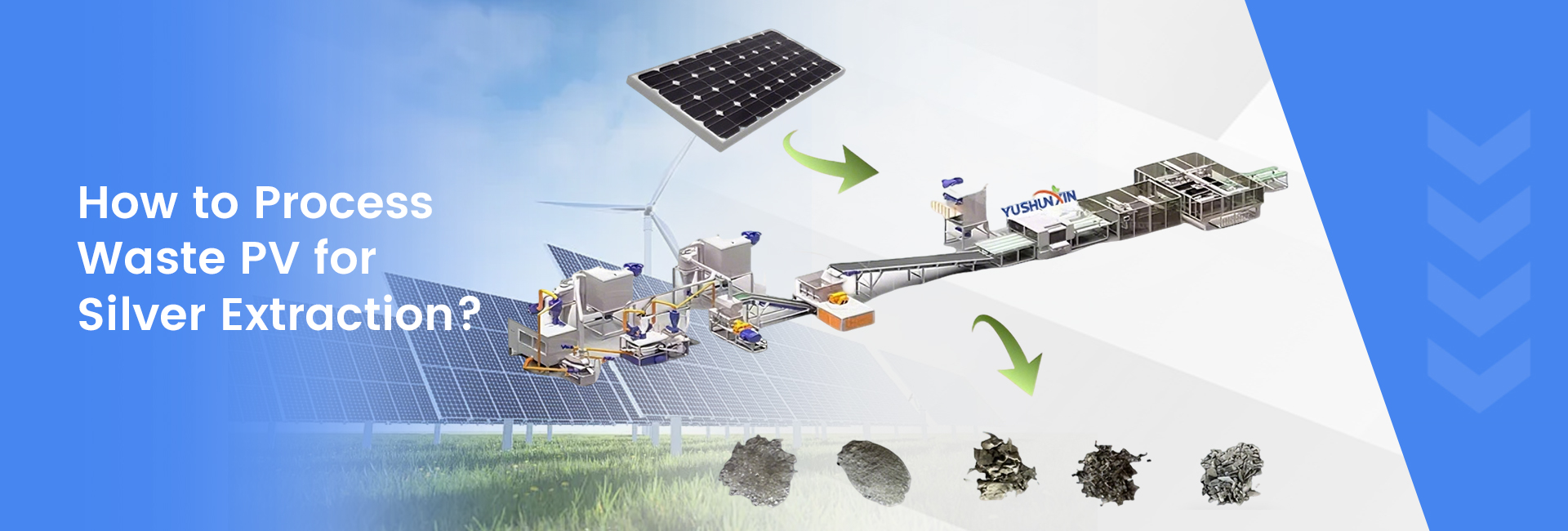
Photovoltaic အကွက်များတွင် ငွေကဲ့သို့သော အဖိုးတန်ပစ္စည်းများ ပါဝင်ပါသည်။, ဆီလီကွန်, ကြေးနီ, နှင့်လူမီနီယံ. အဲဒီအထဲမှာ, ငွေသည် လျှပ်ကူးနိုင်သော ငါးပိ၏ အဓိက အစိတ်အပိုင်းဖြစ်ပြီး သိသိသာသာ ပြန်လည်အသုံးပြုသည့် တန်ဖိုးကို ရရှိထားသည်။. Did you know that a single ton of waste solar panels can contain up to 200 ငွေဂရမ်? With silver prices climbing and PV waste piling up globally, learning how to process waste PV for silver extraction is no longer just an environmental choice — it’s a smart business move.

ငွေရောင်သည် ဆိုလာဓာတ်ပုံဗိုလ်တာအပြားများအတွင်း မည်ကဲ့သို့ ဖြန့်ဖြူးသနည်း။?

ထိထိရောက်ရောက် ပြန်လည်ကောင်းမွန်လာစေရန် ငွေ ဆိုလာပြားများမှ, ၎င်း၏ဖြန့်ဝေမှုကို ဦးစွာနားလည်ရန် လိုအပ်ပါသည်။. ဆိုလာပြားများသည် အလွှာပေါင်းစုံဖွဲ့စည်းပုံများဖြစ်သည်။, ပုံမှန်အားဖြင့် tempered glass ပါဝင်သည်။, EVA encapsulation ရုပ်ရှင်, ဆိုလာဆဲလ်များ, စာရွက်များ, ဘောင်များ.

Silver Paste Grid Lines

ငွေသည် အဓိကအားဖြင့် ဆိုလာဆဲလ်များ၏ လျှပ်ကူးပစ္စည်းတွင် ရှိနေသည်။. photovoltaic cell တစ်ခု၏ ရှေ့မျက်နှာပြင်သည် ပုံမှန်အားဖြင့် အလွန်ကောင်းမွန်သော ငွေရောင်ငါးပိဇယားကွက်များ ပါဝင်သည်။, ဆဲလ်မှထုတ်ပေးသောလက်ရှိကိုစုဆောင်းရန်တာဝန်ရှိသည်။. photovoltaic silver paste တွင် ငွေပါဝင်မှုသည် အများအားဖြင့် ကြားတွင် ကွာပါသည်။ 85% နှင့် 92%.

ငွေငါးပိ ဇယားကွက်ကောင်းများ
နေရောင်ခြည်သုံး ငွေငါးပိ ပါဝင်မှု

photovoltaic cell အမျိုးအစားပေါ် မူတည် (monocrystalline silicon ကဲ့သို့သော, polycrystalline ဆီလီကွန်, PERC ဆဲလ်များ, စသည်တို့), ငွေပမာဏ အနည်းငယ်ကွာခြားသည်။. ပုံမှန်အားဖြင့်, ပုံမှန် photovoltaic panel တစ်ခုစီတွင် ခန့်မှန်းခြေ ပါဝင်သည်။ 6 ရန် 20 ငွေဂရမ်.

Although the proportion per panel is small, the sheer global volume of installed PV capacity means that the cumulative silver content in waste panels holds significant recycling value. တကယ်တော့, အားဖြင့် 2026, the total recoverable silver from end-of-life solar panels is estimated to be worth hundreds of millions of dollars.

How Do Mechanical Separation and Pyrolysis Improve Silver Recovery Efficiency?

The key to efficient silver extraction from waste solar panels is not only the chemical recovery step itself, but also how well the silver-containing cell materials are prepared in advance. In practice, both mechanical separation and PV pyrolysis can create better conditions for downstream silver recovery, but they work in different ways.

စက်မှုပိုင်းခြားခြင်း။: Creating High-Purity Feedstock for Silver Recovery

The first critical step in extracting silver from waste PV is to separate silver-containing cells from other materials. Among available methods, mechanical separation has become the industry’s preferred choice due to its efficiency, cost-effectiveness, and environmental benefits. ဒါဆို YUSHUNXIN ရဲ့ အားသာချက်တွေက ဘာတွေလဲ။ PV ပြန်လည်အသုံးပြုနည်းပညာ offer?

ဆိုလာဆဲလ် အပိုင်းအစများကို စက်ဖြင့် ပိုင်းခြားခြင်း။
ဆိုလာပြားမှငွေ

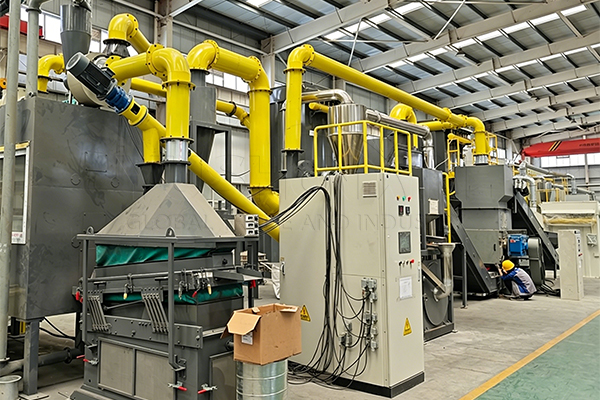
ကျွန်တော်တို့ရဲ့ ဆိုလာပြား disassembly ကိရိယာ uses advanced mechanical crushing and sorting systems to physically dismantle panels. This approach prevents silver loss while maximizing the integrity of the silver paste grid lines.

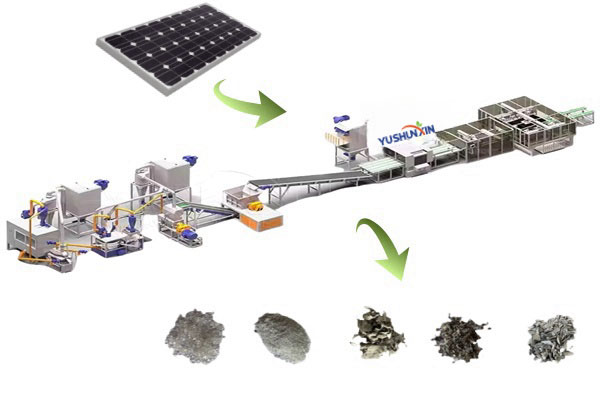
By combining crushing, စိစစ်ခြင်း။, လေထုခွဲခြားမှု, and magnetic separation technologies, our system efficiently separates glass, အလူမီနီယမ်ဘောင်များ, copper ribbons, and silicon cells. This creates a high-purity cell fraction for subsequent silver extraction.

Unlike chemical methods, our mechanical process produces no hazardous waste, requires no chemical reagents, and has low energy consumption. This makes it suitable for large-scale, continuous operation. ထို့ အပြင်, our modular design allows flexible scaling based on processing capacity, so you can explore ဆိုလာပြား ပြန်လည်အသုံးပြုစက် ကုန်ကျစရိတ် options to match your budget.

Silver remains in its metallic form within the cell fragments obtained through mechanical separation. This creates perfect conditions for subsequent chemical or pyrolytic extraction. YUSHUNXIN’s technology can elevate the purity of recovered solar cells to over 95%, significantly boosting the efficiency of downstream silver recovery processes. This mechanical approach creates the ideal feedstock for silver extraction from solar panels in the next stage.

Pyrolysis: Unlocking Encapsulated Silver for Maximum Recovery

After mechanically isolating silicon cell fragments, the next challenge is to efficiently extract the silver from those fragments. This is where PV pyrolysis technology demonstrates unique advantages.

ငွေကို ထိရောက်စွာ ထုတ်ယူသည်။
ဆိုလာပြားများမှ ငွေ

YUSHUNXIN’s PV pyrolysis system operates within a precisely controlled temperature range of 400–600°C. This effectively decomposes organic materials such as EVA adhesive films while preventing oxidation or volatilization loss of silver.

ပရော်ဖက်ရှင်နယ်လေထုထိန်းချုပ်မှုကိရိယာများမှတဆင့်, our technology facilitates the full aggregation of silver particles, forming a morphology that is easier to handle in subsequent leaching or smelting steps.

We have developed a pyrolysis-leaching integrated system that allows direct transfer of pyrolyzed materials into hydrometallurgical operations. By utilizing the residual heat from the pyrolysis process, we significantly accelerate the silver leaching reaction, reducing overall processing time and enhancing recovery efficiency.

YUSHUNXIN ၏ ဆိုလာပြား pyrolysis ပရောဂျက်ဖြေရှင်းချက် ငွေပြန်လည်ရယူမှုနှုန်းကို ကျော်လွန်၍ ရရှိသည်။ 95% , substantially outperforming the 80–85% rates typical of traditional methods.

When Should You Choose Mechanical Processing or Pyrolysis?

  • Choose mechanical recycling if your feedstock is mainly standard crystalline silicon panels with intact structures and you want lower operating costs.

  • Choose pyrolysis recycling for double-glass modules, heavily laminated panels, or mixed PV waste requiring deeper silver liberation.

  • For aiming at both large-scale material separation and higher silver recovery potential, a combined route of mechanical pretreatment and pyrolysis-assisted silver extraction can be considered.

What Equipment Is Used for Silver Extraction and Refining?

After mechanical or pyrolysis pretreatment, specialized silver extraction equipment is required to convert silver-bearing cell powder into high-purity refined silver.

Acid Washing Reactor

The silver-bearing material is first transferred into a PPH acid washing reactor, where nitric acid dissolves metallic silver from crushed solar cell powder, forming a silver-rich solution.

Acid Washing Reactor
Filter Press

Filter Press

A filter press separates insoluble impurities such as silicon powder and carbon black from the silver-containing solution, improving downstream purity and reducing reagent consumption.

Silver Replacement Kettle

In the replacement reactor, sodium chloride and iron powder are added to precipitate silver as crude metallic silver. This step efficiently converts dissolved silver ions into recoverable solid silver.

Silver Replacement Kettle
Silver Electrolysis System

Silver Electrolysis System

The crude silver is then purified through electrolysis, producing 99.9%+ high-purity silver suitable for direct resale or industrial reuse.

Wastewater Treatment System

A complete silver extraction line also includes wastewater neutralization reactors and activated carbon adsorption systems to ensure environmentally compliant discharge.

Wastewater Treatment System

How Much Money Can You Make from Silver in 1 Ton of Waste PV?

This is one of the most common questions from recyclers and investors. Let’s break it down with realistic numbers.

Panel Type အနီးစပ်ဆုံး. Silver per Panel Panels per Ton Total Silver per Ton
Poly-Si panels 10–15g 25–30g 250–450g
PERC panels 6–10g 30–35g 180–350g
Mono-Si panels 15–20g 25–30g 375–600g

Based on 2026 silver prices at approximately $28 per ounce (roughly $0.90 per gram), each ton of waste PV panels contains 200–500 grams of recoverable silver at a 95% recovery rate, yielding a gross silver value of $180–$450 per ton.

When combined with other recoverable materials like aluminum, ကြေးနီ, and silicon, total revenue per ton reaches $630–$1,200. Silver alone accounts for 30–40% of the total value, meaning that processing just 100 tons of waste PV can generate $18,000–$45,000 from silver extraction alone.

Is Your PV Waste Suitable for Silver Recovery?

Not all solar panels are equally suitable for silver recovery. Use this checklist to evaluate your waste PV materials.

အမေးများသောမေးခွန်းများ

Mechanical separation alone typically produces silver-bearing material but not refined silver. When combined with chemical refining, purity reaches 99.5%–99.9%. Pyrolysis plus electro-refining can consistently achieve 99.9%+ silver purity.

Yes. Our solar panel pyrolysis systems use multi-stage treatment including cyclone dust removal, alkali spray scrubbing, and activated carbon adsorption, achieving emission levels compliant with EU and many Asian environmental standards.

  • In addition to silver, waste photovoltaic panels can recover:
  • • Copper: $8–10/kg
  • • Aluminum: $2–3/kg
  • • High-purity silicon powder: $20–60/kg depending on grade
  • • Trace tin and lead alloys from solder ribbons
  • For many recycling plants, non-silver materials contribute 55–70% of total project revenue.
More FAQ about silver extraction