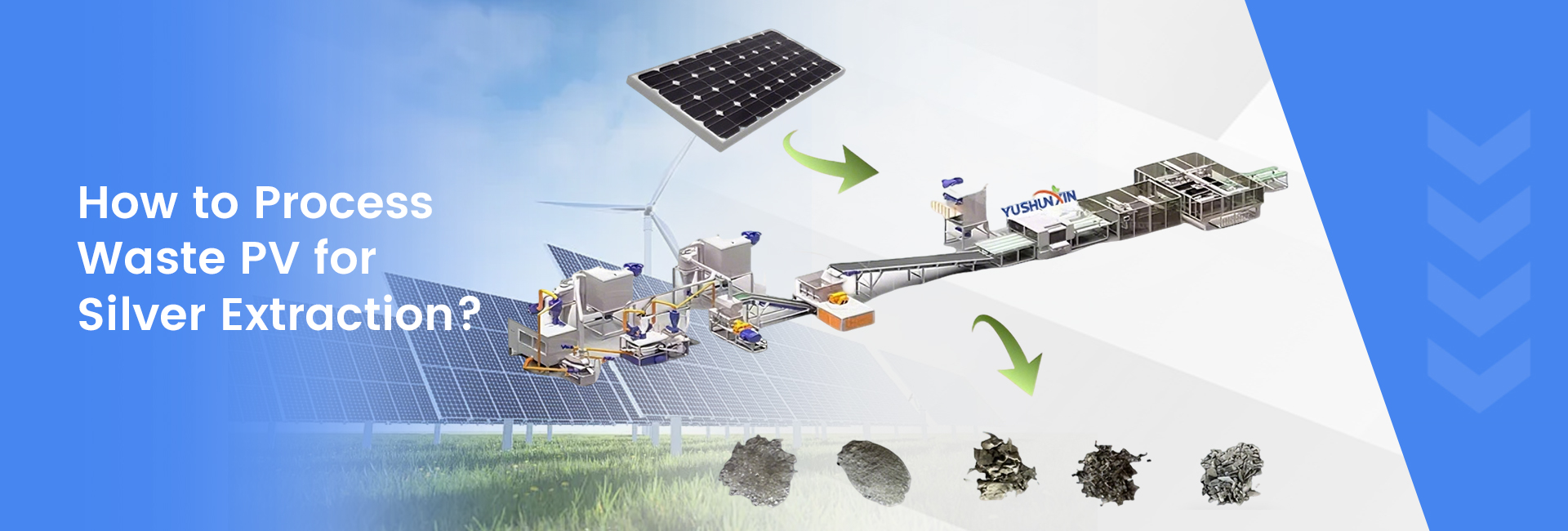
Úrgangsljósvökvaplötur innihalda verðmæt efni eins og silfur, sílikon, kopar, og áli. Meðal þessara, silfur er lykilþáttur í leiðandi deigi og hefur umtalsvert endurvinnslugildi. Did you know that a single ton of waste solar panels can contain up to 200 grömm af silfri? With silver prices climbing and PV waste piling up globally, learning how to process waste PV for silver extraction is no longer just an environmental choice — it’s a smart business move.
Hvernig dreifist silfur innan sólarljósaplötur?
Til að jafna sig á áhrifaríkan hátt silfur frá sólarrafhlöðum, það er fyrst nauðsynlegt að skilja dreifingu þess. Sólarplötur eru marglaga mannvirki, samanstendur venjulega af hertu gleri, EVA hjúpunarfilma, sólarsellur, bakblöð, og ramma.
Silver Paste Grid Lines
Silfur er fyrst og fremst til í leiðandi deigi sólarsellna. Framflöt ljóseindaklefa er venjulega með mjög fínum silfurlímgrindarlínum, sem bera ábyrgð á að safna straumnum sem myndast af frumunni. Silfurinnihald í ljósvökva silfurmauki er venjulega á bilinu á milli 85% og 92%.


Það fer eftir tegund ljósvakans (eins og einkristallaður sílikon, fjölkristallaður sílikon, PERC frumur, o.s.frv.), magn silfurs er örlítið mismunandi. Venjulega, hver staðlað ljósavél inniheldur u.þ.b 6 til 20 grömm af silfri.
Although the proportion per panel is small, the sheer global volume of installed PV capacity means that the cumulative silver content in waste panels holds significant recycling value. In fact, af 2026, the total recoverable silver from end-of-life solar panels is estimated to be worth hundreds of millions of dollars.
How Do Mechanical Separation and Pyrolysis Improve Silver Recovery Efficiency?
The key to efficient silver extraction from waste solar panels is not only the chemical recovery step itself, but also how well the silver-containing cell materials are prepared in advance. Í reynd, both mechanical separation and PV pyrolysis can create better conditions for downstream silver recovery, but they work in different ways.
Vélrænn aðskilnaður: Creating High-Purity Feedstock for Silver Recovery
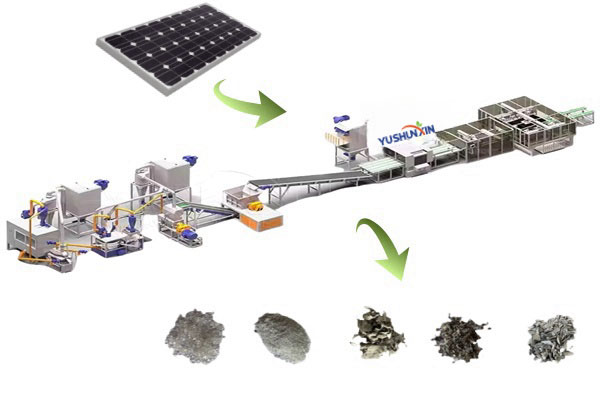
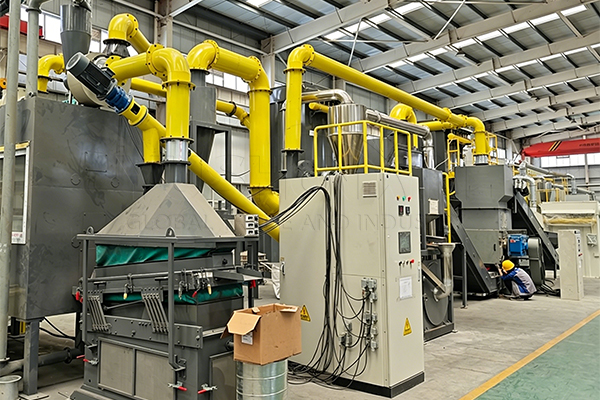
The first critical step in extracting silver from waste PV is to separate silver-containing cells from other materials. Among available methods, mechanical separation has become the industry’s preferred choice due to its efficiency, cost-effectiveness, and environmental benefits. Svo hvaða kostir hefur YUSHUNXIN PV endurvinnslutækni offer?


Pyrolysis: Unlocking Encapsulated Silver for Maximum Recovery
After mechanically isolating silicon cell fragments, the next challenge is to efficiently extract the silver from those fragments. This is where PV hitagreiningartækni demonstrates unique advantages.


When Should You Choose Mechanical Processing or Pyrolysis?
What Equipment Is Used for Silver Extraction and Refining?
After mechanical or pyrolysis pretreatment, specialized silver extraction equipment is required to convert silver-bearing cell powder into high-purity refined silver.


How Much Money Can You Make from Silver in 1 Ton of Waste PV?
This is one of the most common questions from recyclers and investors. Let’s break it down with realistic numbers.
| Panel Type | U.þ.b. Silver per Panel | Panels per Ton | Total Silver per Ton |
|---|---|---|---|
| Poly-Si panels | 10–15g | 25–30g | 250–450g |
| PERC panels | 6–10g | 30–35g | 180–350g |
| Mono-Si panels | 15–20g | 25–30g | 375–600g |

Is Your PV Waste Suitable for Silver Recovery?
Not all solar panels are equally suitable for silver recovery. Use this checklist to evaluate your waste PV materials.