Profitability is the primary concern for investors entering the waste plastic recycling industry. Busa, understanding what is the expected profit from plastic pyrolysis becomes essential before making any investment decision.
In practice, profit depends not only on oil prices; instead, it is influenced by equipment performance, operating costs, and processing capacity. This article analyzes basura nga plastic pyrolysis plant profit from three key aspects: revenue sources, core profit drivers, and break-even point.
Where Does Plastic Pyrolysis Plant Profit Come From?
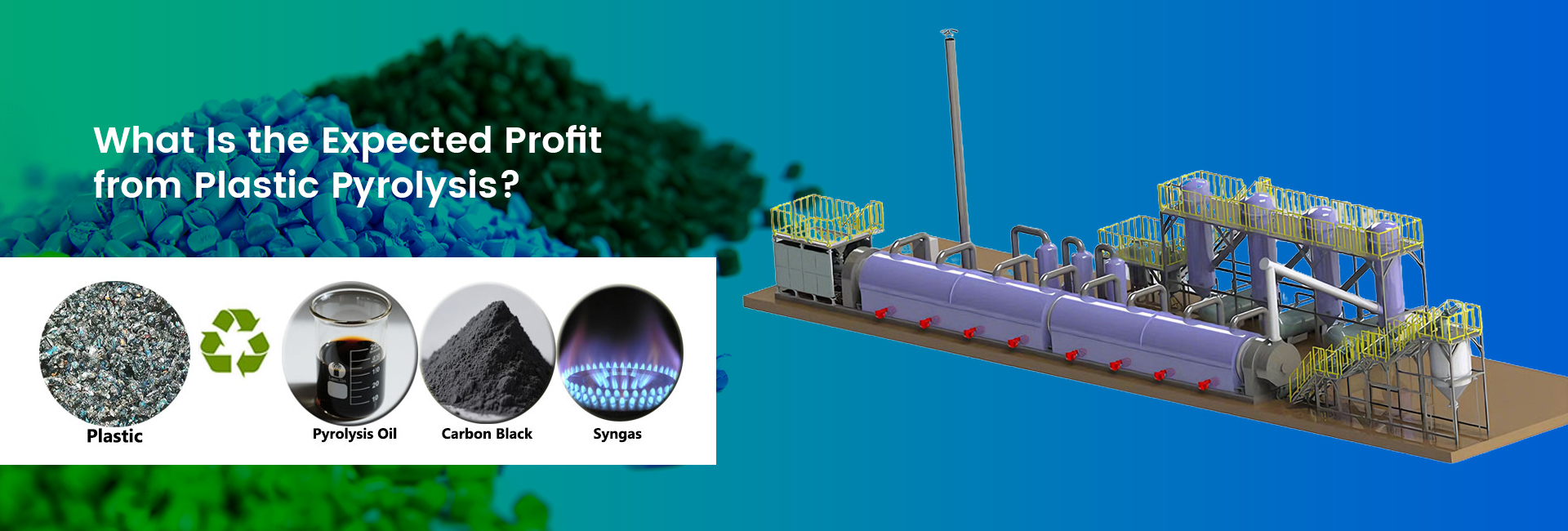
Plastic pyrolysis is a waste plastic to oil process that converts plastics into fuel with a stable plastic to fuel conversion rate. Its revenue sources primarily consist of the following four areas.
The pyrolysis process produces approximately 40% sa 60% liquid fuel oil. This fuel oil can partially replace diesel or supply industrial boilers.
Pyrolysis oil produced from high-quality polyolefin plastics (PP/PE) can fetch $550-700 per ton, while oil derived from blend plastics costs $400–550 per ton. YUSHUNXIN pyrolysis equipment achieves an approximately 10% increase in oil yield through optimized cracking reaction temperatures and condensate system design.
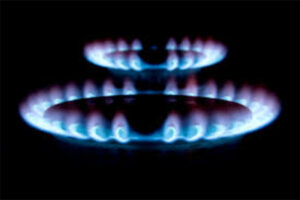
Accounting for approximately 15-25% of output, its primary components are methane, propane, and other alkanes. This portion of gas typically serve as the system’s self-heating source, which can reduce the need for natural gas by 30-40%.
If there is excess gas for power generation or compression for sale, it can generate an additional income of $0.25 sa $0.35 per cubic meter.
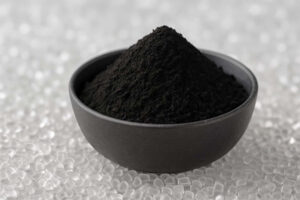
After pyrolysis, the process produces carbon black accounting for about 10%–15% of the raw material, and you can sell it as industrial carbon black at $150–300 per ton. Our automatic separation device can further enhance carbon black purity, which is easier to meet industrial carbon black standards.
Most regions provide environmental subsidies of $30–$80 per ton to enterprises processing waste plastics. Sa samang higayon, sustainable plastic-to-fuel solutions have the potential to generate carbon emission reduction benefits, which create additional value for enterprises.
What Factors Affect Plastic Pyrolysis Plant Profit?
Profit depends not only on selling price but also on plastic pyrolysis plant cost and operating cost of plastic pyrolysis plant.
Raw Material Procurement and Transportation Costs
If waste plastic sources are stable and self-sufficient, costs can stay within $50 sa $100 per ton. Hinuon, reliance on external procurement may drive costs up to over $150 per ton.


Energy Costs
Pyrolysis is a high-temperature reaction, and the management of energy consumption is critical. Traditional installations consume more energy, and energy costs per ton of raw material can reach $60–80. Hinuon, YUSHUNXIN plastic pyrolysis technology employs a waste heat recirculation system that utilizes combustible gas as its primary energy source in order to reduce energy consumption by over 30%.
Environmental Compliance and Maintenance Costs
While emission control systems (such as cooling towers, dust collectors, and gas purification units) are essential components, they also represent ongoing long-term costs. Annual maintenance costs are approximately $50,000–100,000. Our modular design enables quick replacement of wear parts, reducing maintenance downtime.

Taking into account factors such as raw material costs, energy consumption, labor, and maintenance, the average plastic pyrolysis plant cost per ton typically ranges from $250 sa $350. Busa, improving equipment efficiency and oil recovery rates is key to boosting profits.
In summary, under conditions of a daily processing capacity of 20 tons and maintaining an equipment operating rate above 90%, the enterprise can achieve an annual net profit of approximately US$500,000 to US$1,000,000, and the payback period is approximately 2 sa 3 years.
How YUSHUNXIN Plastic Pyrolysis Plant Increases Profit and Reduces Cost?
For investors, profitability is driven by measurable performance. Busa, YUSHUNXIN plastic pyrolysis plant is designed to directly increase yield, reduce costs, and ensure long-term stable operation.
Different Plastic Pyrolysis Plant Configurations vs Profit Comparison
| Configuration Type | Oil Yield | Operation Mode | Daily Capacity | Labor Required | Energy Consumption | Annual Net Profit | Suitable For |
|---|---|---|---|---|---|---|---|
| Basic Configuration | 40%–45% | Batch operation | 10–15 tons/day | 8–10 workers | High external fuel use | $80,000–$150,000 | Entry-level investors testing the market |
| YSX Standard Solution | 50%–55% | Semi-continuous operation | 15–20 tons/day | 5–7 workers | Reduced via gas recycling | $180,000–$350,000 | Small to medium recycling businesses |
| YSX Continuous System | 55%–60% | Fully continuous (20–24h) | 20–30+ tons/day | 3–5 workers | Low, self-sustaining system | $400,000–$800,000+ | Industrial-scale, high ROI projects |
What Equipment Does a Plastic Pyrolysis Plant Include?
A complete plastic pyrolysis plant includes several core units that directly determine oil yield, energy efficiency, and operational stability. YUSHUNXIN provides integrated equipment configurations to ensure reliable performance and higher profitability.