Profitability is the primary concern for investors entering the waste plastic recycling industry. Kwa hiyo, understanding what is the expected profit from plastic pyrolysis becomes essential before making any investment decision.
In practice, profit depends not only on oil prices; instead, it is influenced by equipment performance, operating costs, and processing capacity. This article analyzes taka plastiki pyrolysis kupanda profit from three key aspects: vyanzo vya mapato, core profit drivers, and break-even point.
Where Does Plastic Pyrolysis Plant Profit Come From?
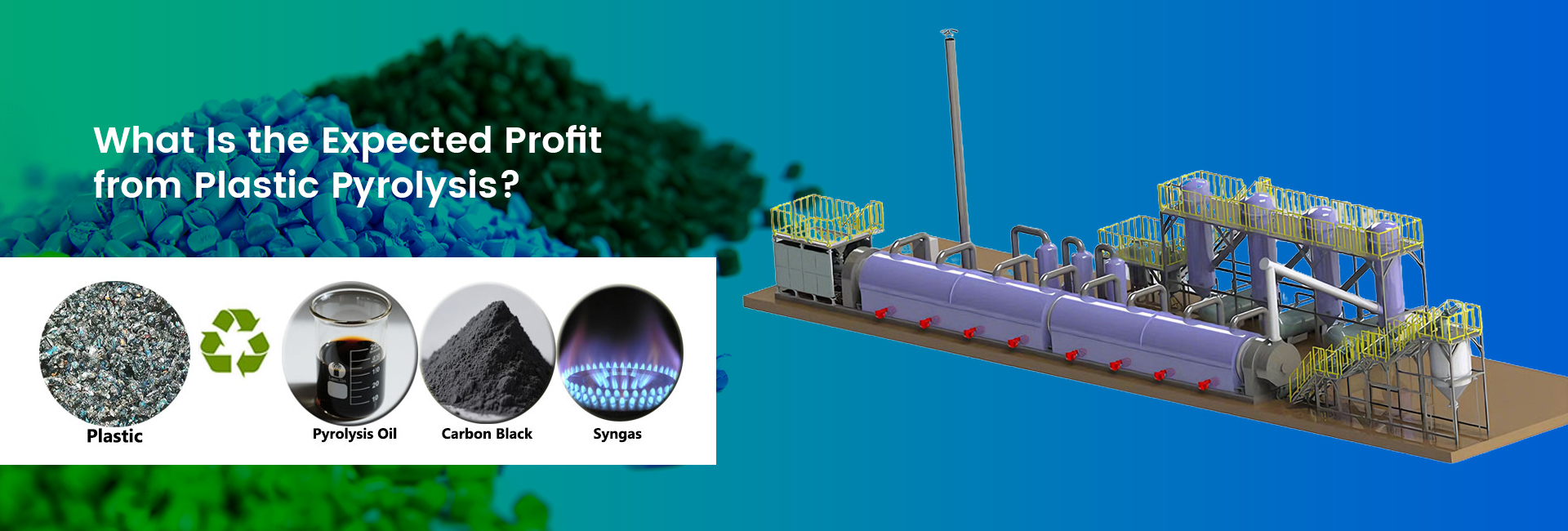
Plastic pyrolysis is a waste plastic to oil process that converts plastics into fuel with a stable plastic to fuel conversion rate. Vyanzo vyake vya mapato kimsingi vinajumuisha maeneo manne yafuatayo.
Mchakato wa pyrolysis hutoa takriban 40% kwa 60% mafuta ya kioevu ya mafuta. Mafuta haya ya mafuta yanaweza kuchukua nafasi ya dizeli au usambazaji wa boilers za viwandani.
Mafuta ya pyrolysis yaliyotolewa kutoka kwa plastiki ya polyolefin ya ubora wa juu (PP/PE) inaweza kuchota $550-700 kwa tani, wakati mafuta yanayotokana na plastiki mchanganyiko yanagharimu dola 400–550 kwa tani moja. Vifaa vya pyrolysis vya YSHUNXIN vinafikia takriban 10% kuongezeka kwa mavuno ya mafuta kupitia halijoto bora ya athari ya ngozi na muundo wa mfumo wa condensate.
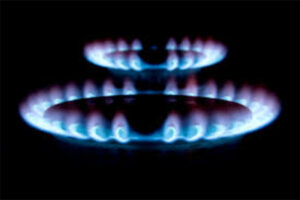
Uhasibu kwa takriban 15-25% ya pato, sehemu zake kuu ni methane, propane, na alkanes nyingine. Sehemu hii ya gesi kawaida hutumika kama chanzo cha mfumo wa kujipatia joto, ambayo inaweza kupunguza hitaji la gesi asilia kwa 30-40%.
Ikiwa kuna gesi ya ziada kwa ajili ya kuzalisha nguvu au compression kwa ajili ya kuuza, inaweza kuzalisha mapato ya ziada ya $0.25 kwa $0.35 kwa mita za ujazo.
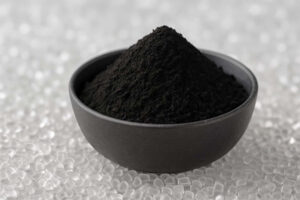
Baada ya pyrolysis, mchakato hutoa kaboni nyeusi uhasibu kwa karibu 10% -15% ya malighafi, na unaweza kuiuza kama kaboni nyeusi ya viwandani kwa $150–300 kwa tani. Kifaa chetu cha kutenganisha kiotomatiki kinaweza kuimarisha zaidi usafi wa kaboni nyeusi, ambayo ni rahisi kufikia viwango vya kaboni nyeusi vya viwandani.
Mikoa mingi hutoa ruzuku ya kimazingira ya $30–$80 kwa tani kwa makampuni ya kusindika plastiki taka.. Wakati huo huo, ufumbuzi endelevu wa plastiki-kwa-mafuta kuwa na uwezo wa kuzalisha faida za kupunguza utoaji wa kaboni, ambayo huunda thamani ya ziada kwa biashara.
What Factors Affect Plastic Pyrolysis Plant Profit?
Profit depends not only on selling price but also on plastic pyrolysis plant cost and operating cost of plastic pyrolysis plant.
Gharama za Ununuzi wa Malighafi na Usafiri
Ikiwa vyanzo vya taka vya plastiki ni vya kutosha na vya kutosha, gharama inaweza kukaa ndani $50 kwa $100 kwa tani. Hata hivyo, kutegemea manunuzi ya nje kunaweza kusababisha gharama hadi zaidi $150 kwa tani.


Gharama za Nishati
Pyrolysis ni mmenyuko wa joto la juu, na usimamizi wa matumizi ya nishati ni muhimu. Ufungaji wa jadi hutumia nishati zaidi, na gharama za nishati kwa tani moja ya malighafi zinaweza kufikia $60–80. Hata hivyo, YUSHUNXIN plastic pyrolysis technology employs a waste heat recirculation system that utilizes combustible gas as its primary energy source in order to reduce energy consumption by over 30%.
Uzingatiaji wa Mazingira na Gharama za Utunzaji
Wakati mifumo ya udhibiti wa uzalishaji (kama vile minara ya kupoeza, watoza vumbi, na vitengo vya kusafisha gesi) ni vipengele muhimu, pia zinawakilisha gharama zinazoendelea za muda mrefu. Gharama za matengenezo ya kila mwaka ni takriban $50,000–100,000. Our modular design enables quick replacement of wear parts, kupunguza muda wa matengenezo.

Kwa kuzingatia mambo kama vile gharama za malighafi, matumizi ya nishati, kazi, na matengenezo, the average plastic pyrolysis plant cost per ton typically ranges from $250 kwa $350. Kwa hiyo, kuboresha ufanisi wa vifaa na viwango vya kurejesha mafuta ni muhimu kwa kuongeza faida.
Kwa muhtasari, chini ya masharti ya uwezo wa usindikaji wa kila siku wa 20 tani na kudumisha kiwango cha uendeshaji wa vifaa hapo juu 90%, biashara inaweza kupata faida halisi ya kila mwaka ya takriban dola za Kimarekani 500,000 hadi $1,000,000, na muda wa malipo ni takriban 2 kwa 3 miaka.
How YUSHUNXIN Plastic Pyrolysis Plant Increases Profit and Reduces Cost?
For investors, profitability is driven by measurable performance. Kwa hiyo, YUSHUNXIN plastic pyrolysis plant is designed to directly increase yield, reduce costs, and ensure long-term stable operation.
Different Plastic Pyrolysis Plant Configurations vs Profit Comparison
| Configuration Type | Oil Yield | Operation Mode | Daily Capacity | Labor Required | Energy Consumption | Annual Net Profit | Suitable For |
|---|---|---|---|---|---|---|---|
| Basic Configuration | 40%–45% | Batch operation | 10–15 tons/day | 8–10 workers | High external fuel use | $80,000–$150,000 | Entry-level investors testing the market |
| YSX Standard Solution | 50%–55% | Semi-continuous operation | 15–20 tons/day | 5–7 workers | Reduced via gas recycling | $180,000–$350,000 | Small to medium recycling businesses |
| YSX Continuous System | 55%–60% | Fully continuous (20–24h) | 20–30+ tons/day | 3–5 workers | Low, self-sustaining system | $400,000–$800,000+ | Industrial-scale, high ROI projects |
What Equipment Does a Plastic Pyrolysis Plant Include?
A complete plastic pyrolysis plant includes several core units that directly determine oil yield, energy efficiency, and operational stability. YUSHUNXIN provides integrated equipment configurations to ensure reliable performance and higher profitability.