Profitability is the primary concern for investors entering the waste plastic recycling industry. No reira, understanding what is the expected profit from plastic pyrolysis becomes essential before making any investment decision.
In practice, profit depends not only on oil prices; instead, it is influenced by equipment performance, operating costs, and processing capacity. This article analyzes waste plastic pyrolysis plant profit from three key aspects: revenue sources, core profit drivers, and break-even point.
Where Does Plastic Pyrolysis Plant Profit Come From?
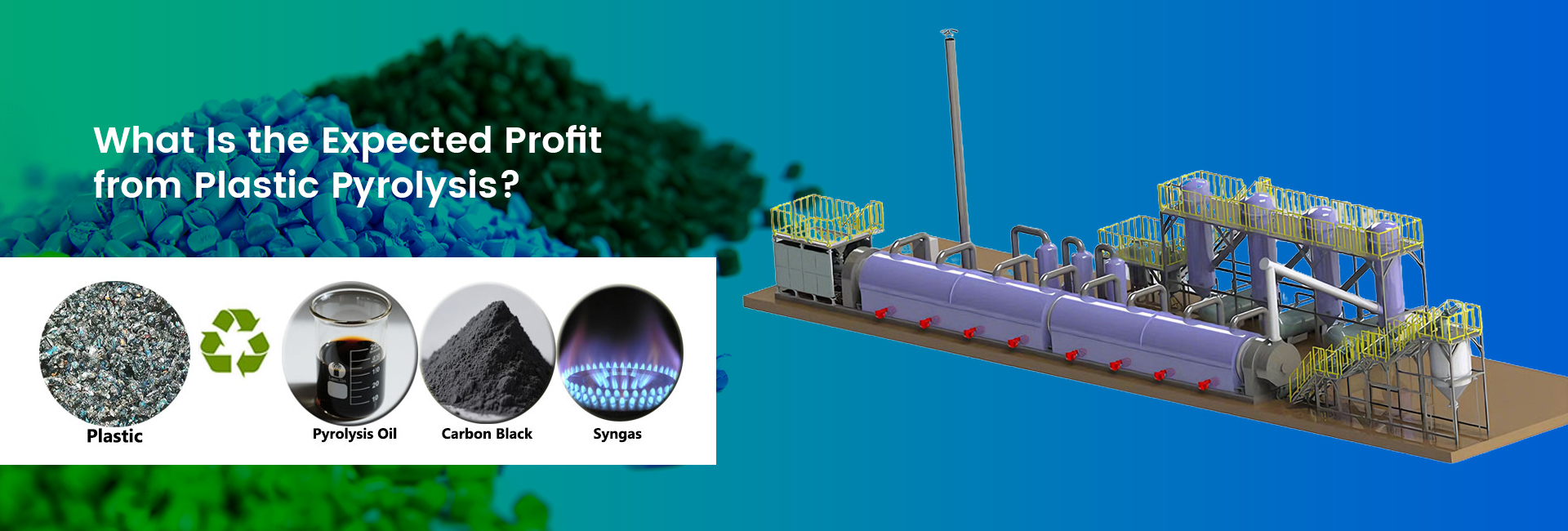
Plastic pyrolysis is a waste plastic to oil process that converts plastics into fuel with a stable plastic to fuel conversion rate. Its revenue sources primarily consist of the following four areas.
Ko te tukanga pyrolysis ka whakaputa tata 40% ki 60% hinu hinu wai. Ka taea e tenei hinu wahie te whakakapi i te tiera, te tuku ranei i nga kohua ahumahi.
Ko te hinu Pyrolysis i hangaia mai i nga kirihou polyolefin kounga teitei (PP/PE) ka taea te tiki $550-700 mo ia tana, ko te hinu i ahu mai i nga kirihou whakakotahi he $400–550 te utu mo ia tana. Ka tutuki nga taputapu pyrolysis a YUSHUNXIN he tata 10% te whakanui ake i te hua hinu na roto i te arotautanga o te pāmahana tauhohenga kapiti me te hoahoa punaha condensate.
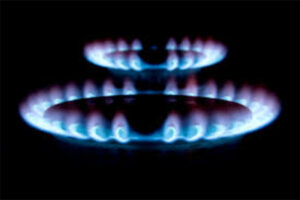
Kaute mo te ahua 15-25% o te putanga, ko ona wahanga tuatahi ko te mewaro, propane, me etahi atu alkana. Ko tenei waahanga o te hau ka noho hei puna whakamahana whaiaro o te punaha, ka taea te whakaiti i te hiahia mo te hau maori ma te 30-40%.
Mena he nui te hau mo te whakangao hiko, te kokopi ranei mo te hoko, ka taea e ia te whakaputa moni taapiri $0.25 ki $0.35 ia mita pūtoru.
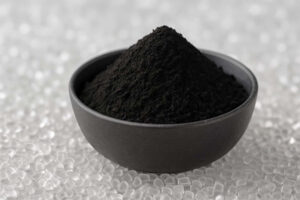
I muri i te pyrolysis, ka puta te waro pango ki te 10%–15% o te rauemi mata, ka taea e koe te hoko hei waro pango ahumahi mo te $150–300 mo ia tana. Ka taea e ta maatau taputapu wehe aunoa te whakapai ake i te purenga pango waro, he maamaa ake te whakatutuki i nga paerewa pango waro ahumahi.
Ko te nuinga o nga rohe e tuku putea taiao $30–$80 mo ia tana ki nga hinonga e mahi ana i nga kirihou para. I taua wa ano, nga otinga kirihou-ki-wahie pumau he kaha ki te whakaputa hua whakaheke waro, e hanga uara atu mo nga umanga.
He aha nga mea e pa ana ki te Plastic Pyrolysis Plant Profit?
Ko te hua ka whakawhirinaki ki te utu hoko engari ki runga ano i te utu o te tipu pyrolysis kirihou me te utu whakahaere o te tipu pyrolysis kirihou.
Te Hoko Raw Material me nga utu kawe waka
Mēnā he pūmau ngā mātāpuna kirihou parapara, ā, ka whāia e ia, Ka taea e nga utu te noho ki roto $50 ki $100 mo ia tana. Heoi ano, Ko te whakawhirinaki ki nga hoko o waho ka nui ake pea nga utu $150 mo ia tana.


Utu Pungao
Ko te Pyrolysis he tauhohenga wera nui, me te whakahaere o te kohi hiko he mea nui. Ka pau ake te kaha o nga whakaurunga tuku iho, me te utu pūngao mo ia tana o nga rawa mata ka eke ki te $60–80. Heoi ano, Ko te hangarau pyrolysis kirihou a YUSHUNXIN e whakamahi ana i te punaha whakaheke wera wera e whakamahi ana i te hau mura hei puna hiko tuatahi hei whakaiti i te paunga o te hiko. 30%.
Nga Utu Whakaritenga Taiao me nga Utu Tiaki
While emission control systems (such as cooling towers, dust collectors, and gas purification units) are essential components, they also represent ongoing long-term costs. Annual maintenance costs are approximately $50,000–100,000. Our modular design enables quick replacement of wear parts, reducing maintenance downtime.

Taking into account factors such as raw material costs, energy consumption, labor, and maintenance, the average plastic pyrolysis plant cost per ton typically ranges from $250 ki $350. No reira, improving equipment efficiency and oil recovery rates is key to boosting profits.
In summary, under conditions of a daily processing capacity of 20 tons and maintaining an equipment operating rate above 90%, the enterprise can achieve an annual net profit of approximately US$500,000 to US$1,000,000, a he tata te wa utu 2 ki 3 tau.
Me pehea te YUSHUNXIN Plastic Pyrolysis Plant e piki ake ai te hua me te whakaiti i te utu?
Mo nga kaipupuri moni, ko te whai hua ka peia e te mahi ine. No reira, Ko te tipu pyrolysis kirihou YUSHUNXIN kua hangaia hei whakanui ake i nga hua, whakaitihia nga utu, me te whakarite i te mahi pumau mo te wa roa.
Rerekē Whakaritenga Tipu Pyrolysis Plastic vs Whakatauritenga Moni
| Momo Whirihoranga | Hua Hinu | Aratau Mahi | Te Raukaha o ia ra | Reipa e hiahiatia ana | Te Whakamahi Pungao | Putea Kupenga a-tau | E tika ana mo |
|---|---|---|---|---|---|---|---|
| Whirihoranga Taketake | 40%–45% | Te mahi puranga | 10–15 toni/ra | 8–10 kaimahi | Te whakamahi wahie teitei o waho | $80,000–$150,000 | Ko nga kaipupuri putea whakaurunga e whakamatautau ana i te maakete |
| Otinga Paerewa YSX | 50%–55% | Mahi-a-waa | 15–20 toni/ra | 5–7 kaimahi | Ka whakahekehia ma te hangarua hau | $180,000–$350,000 | Nga pakihi hangarua iti ki waenga |
| YSX Pūnaha Tonu | 55%–60% | Tino tonu (20- 24 haora) | 20–30+ tana/ra | 3–5 kaimahi | Iti, pūnaha oranga whaiaro | $400,000–$800,000+ | Tauine-ahumahi, kaupapa ROI teitei |
He aha nga taputapu kei roto i te Tipu Pyrolysis Kirihou?
Kei roto i tetahi tipu pyrolysis kirihou he maha nga waahanga matua e whakatau tika ana i nga hua hinu, te kaha o te kaha, me te pumau whakahaere. Ka whakaratohia e YUSHUNXIN nga whirihoranga taputapu whakauru hei whakarite i te mahi pono me te whai hua nui ake.