In the recycling process of waste lithium batteries, the black mass is the most critical and valuable component. It consists primarily of positive and negative electrode active material powders, containing multiple high-value elements such as lithium, કોબાલ્ટ, નિકલ, મેંગેનીઝ, and graphite. તેથી, “How to recycle black mass from lithium battery?” has become the most concerned issue for customers.
How to Recycle Black Mass from Lithium Battery?
Black mass is an intermediate product in the lithium battery recycling production line, primarily derived from the crushing and sorting of battery cathode materials. This material typically includes:

લિથિયમ બેટરીમાંથી બાલ્ક માસને કેવી રીતે રિસાયકલ કરવું?
ઉર્જા કાર્યક્ષમતાના ફાયદાઓને કારણે યાંત્રિક પદ્ધતિઓ એન્ટરપ્રાઇઝમાં વધુને વધુ તરફેણ મેળવી રહી છે, સલામતી, અને કામગીરીમાં સરળતા.

Core Principle of Mechanical Method
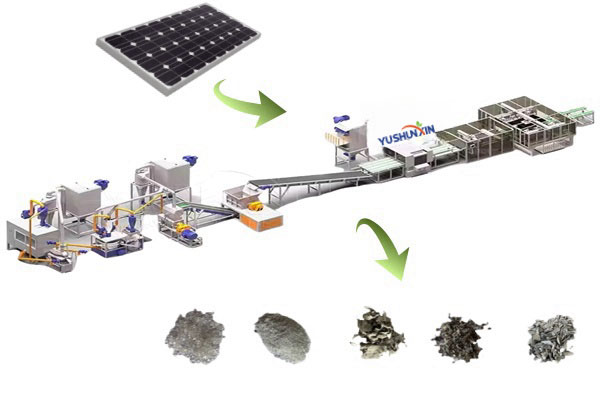
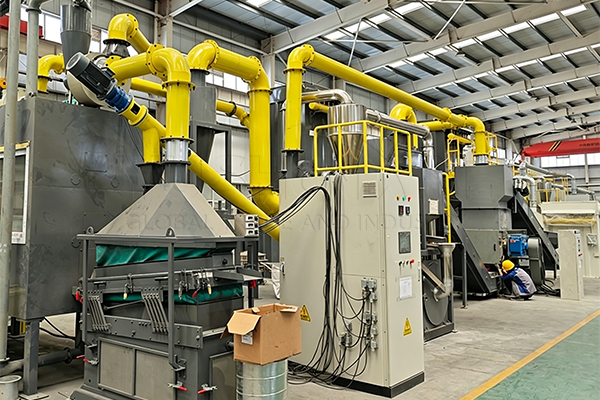
The mechanical method achieves efficient recovery of battery materials through a systematic physical separation process stage by stage. પ્રથમ, the intact batteries pass through a single-shaft crusher to break them down into smaller particles. ત્યારબાદ, the material enters the hammer crusher for fine crushing, fully releasing the active electrode material. છેલ્લે, with the help of air classifiers and ચુંબકીય વિભાજન મશીન, they can effectively separate metal impurities such as copper and aluminum foil, thereby obtaining high-value black mass.
કાળા માસને કેવી રીતે વધુ શુદ્ધ કરવું?
પાયરોલિસિસ એ ઊંડા અલગતા અને શુદ્ધિકરણ હાંસલ કરવાની ચાવી છે.

પાયરોલિસિસ પદ્ધતિનો મુખ્ય સિદ્ધાંત
પાયરોલિસિસ તાપમાન અને વાતાવરણને નિયંત્રિત કરીને કોટિંગ સામગ્રીની અંદર કાર્બનિક બાઈન્ડરને વિઘટિત કરે છે, શુદ્ધ સક્રિય પાવડર મુક્ત કરે છે. આ પ્રક્રિયા સામાન્ય રીતે 250-500 °C ની રેન્જમાં ધાતુ તત્વોના નુકશાનને રોકવા માટે નિયંત્રણમાં હોય છે.. તે માત્ર અશુદ્ધિઓને જ દૂર કરતું નથી પણ કાળા સમૂહની શુદ્ધતા પણ વધારે છે, જે અનુગામી ધાતુના નિષ્કર્ષણને વધુ કાર્યક્ષમ બનાવે છે.