In the recycling process of waste lithium batteries, the black mass is the most critical and valuable component. It consists primarily of positive and negative electrode active material powders, containing multiple high-value elements such as lithium, kobolt, nikkel, mangan, and graphite. Derfor, “How to recycle black mass from lithium battery?” has become the most concerned issue for customers.
Hvordan resirkulere svart masse fra litiumbatteri?
Black mass is an intermediate product in the lithium battery recycling production line, primarily derived from the crushing and sorting of battery cathode materials. This material typically includes:

How to Recycle Balck Mass from Lithium Battery?
Mechanical methods are gaining increasing favor among enterprises due to their advantages of energy efficiency, sikkerhet, and ease of operation.

Core Principle of Mechanical Method
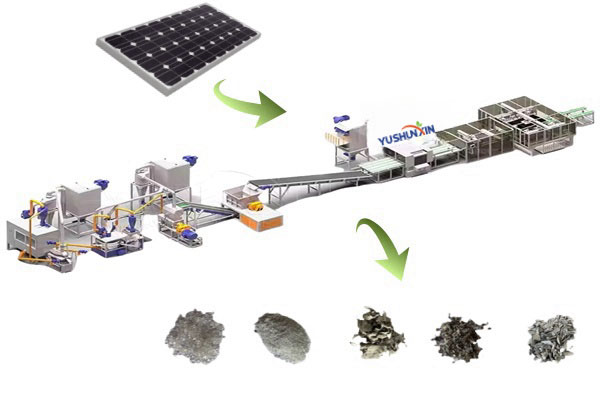
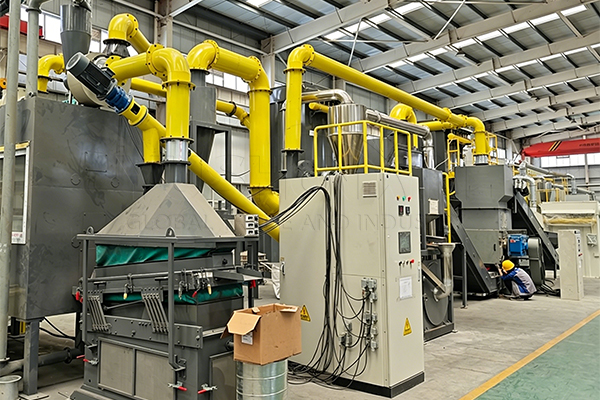
The mechanical method achieves efficient recovery of battery materials through a systematic physical separation process stage by stage. Først, the intact batteries pass through a single-shaft crusher to break them down into smaller particles. Senere, the material enters the hammer crusher for fine crushing, fully releasing the active electrode material. Endelig, with the help of air classifiers and magnetisk separasjonsmaskin, they can effectively separate metal impurities such as copper and aluminum foil, thereby obtaining high-value black mass.
How to further purify the black mass?
Pyrolysis is the key to achieving deep separation and purification.

Core Principle of Pyrolysis Method
Pyrolysis decomposes organic binders within coating materials by controlling temperature and atmosphere, releasing pure active powder. This process is usually under control in the range of 250–500°C to prevent the loss of metallic elements. It not only removes impurities but also enhances the purity of the black mass, which makes subsequent metallurgical extraction more efficient.