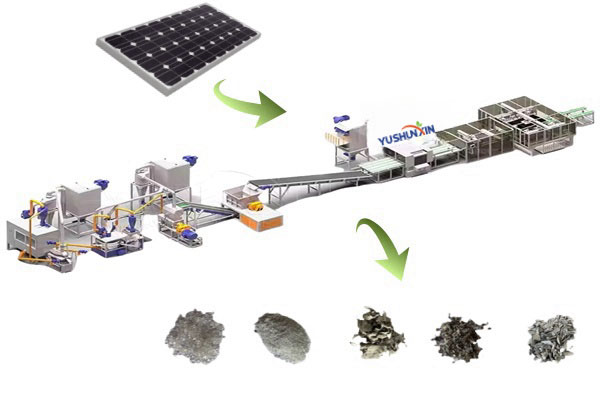
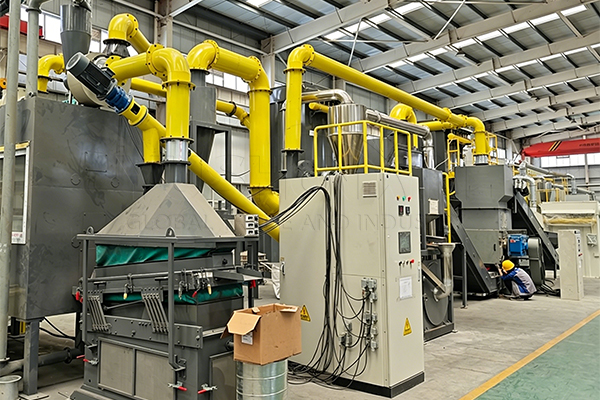
In the global push for resource recycling, Malaysia is emerging as a new hub for the environmental industry in Southeast Asia. More and more companies are realizing that sistema ng pyrolysis ng gulong ng basura not only effectively reduces environmental burdens but also delivers stable economic returns. If you are considering how to set up a waste tire pyrolysis plant in Malaysia, this article will briefly outline the entire process from initial discussions to project implementation.
Understanding Client Needs: What Does a Real Tire Pyrolysis Project Look Like?
This is an eco-friendly investment company from Penang, Malaysia, which has experience in managing industrial park land and operations. They contacted us in early 2025: “How to set up a waste tire pyrolysis plant in Malaysia with an annual processing capacity of 5000 tons.”

Why Choose Malaysia for Planning Scrap Tire Recycling?
Many investors ask: “Why choose Malaysia?” In fact, Malaysia possesses multiple advantages that make it highly suitable for developing the waste tire recycling industry.

In recent years, the Malaysian government has vigorously promoted green economy and sustainable development, and the relevant departments have successively introduced supportive policies on “industrial solid waste resource utilization.” For companies that meet environmental protection standards, there are not only tax breaks but also eligibility to apply for subsidies for energy recovery projects.

According to statistics, Malaysia generates over 200 million waste tires annually. This indicates significant market potential, stable raw material supply, and relatively low costs. For investors planning long-term operations, these are highly attractive conditions.

Malaysia is located in the heart of Southeast Asia with convenient transportation. The company can sell the fuel oil and carbon black from pyrolysis not only in the local market but also export them to neighboring countries such as Indonesia, Thailand, and Vietnam.
How to Plan a Tire Pyrolysis Plant Site for Maximum Efficiency?
When evaluating tire pyrolysis plant space requirements, proper tire pyrolysis plant layout planning becomes critical for both cost control and long-term efficiency.

How Profitable Is a Tire Pyrolysis Plant and When Can You Break Even?
For investors evaluating a waste tire pyrolysis project in Malaysia, understanding the tyre pyrolysis plant cost is essential. Below is a reference based on current market conditions for a 5,000 tons/year tire pyrolysis production line.
Estimated Revenue (Per Ton of Tires Processed)
| Output Product | Yield (per ton tires) | Unit Price (USD/ton) | Revenue (USD) |
|---|---|---|---|
| Fuel oil | 0.40–0.45 tons | 500–650 | 200–295 |
| Carbon black | 0.30–0.35 tons | 300–450 | 90–160 |
| Steel wire | 0.10–0.15 tons | 200–300 | 20–45 |
| Combustible gas | Recycled as process fuel | — | Energy savings |
Estimated Costs (Per Ton of Tires Processed)
| Cost Item | Estimated Cost (USD/ton) |
|---|---|
| Raw tires (collection and transport) | 50–100 |
| Electricity and utilities | 15–25 |
| Labor and operation | 10–20 |
| Maintenance and consumables | 5–10 |