Habang bumibilis ang pandaigdigang paglipat ng malinis na enerhiya, Ang India ay naging isa sa pinakamabilis na lumalagong bansa sa mundo para sa mga pag-install ng solar panel. Ang malakihang operasyon ng mga solar power plant ay nangangahulugan din na ang unang batch ng mga solar panel ay magretiro sa mga darating na taon. Ipapakilala namin ang aming pag-recycle ng solar panel sa India, upang makapagbigay ng sanggunian para sa mga kumpanyang tumutuon sa merkado ng India.
Ano ang kasalukuyang estado ng industriya ng solar energy ng India?

Sa nakalipas na dekada, Ang industriya ng solar power generation ng India ay lumalaki nang mabilis. According to data from the Indian Ministry of New and Renewable Energy (MR), Ang kapasidad ng solar power ng India ay lumampas 70 GW ni 2024, na nasa top five sa buong mundo. Samantala, the Indian government’s Jawaharlal Nehru National Solar Mission aims to achieve over 280GW of solar power capacity by 2030 upang suportahan ang pangmatagalang layunin nito ng Net Zero 2070.
What Were the Customer Requirements for Solar Panel Recycling in India?
Sa pagtatapos ng 2024, isang bagong kumpanya sa pagpapaunlad ng enerhiya sa Gujarat, India, nakipag-ugnayan sa amin. The company plans to establish a solar panel recycling production line to process end-of-life photovoltaic modules and recover high-value materials. The main project requirements included:

Solar Panel Recycling Plant Cost in India: Investment Breakdown
The investment for a solar panel recycling plant in India is relatively clear when based on real project data. For a standard 1 ton per hour solar panel recycling system, the total cost typically ranges between $900,000 at $1,500,000, depending on technology configuration and automation level.
Which Solar Panel Recycling Solutions Did We Propose?
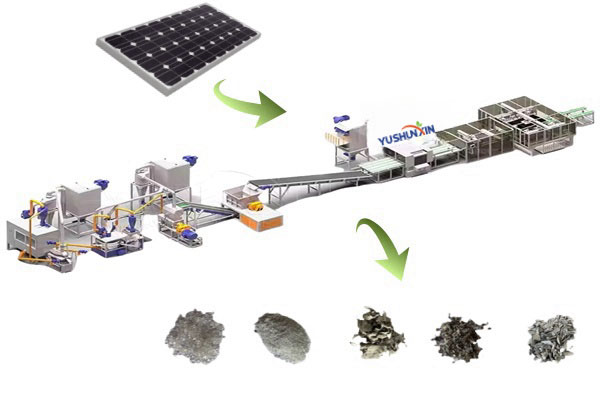
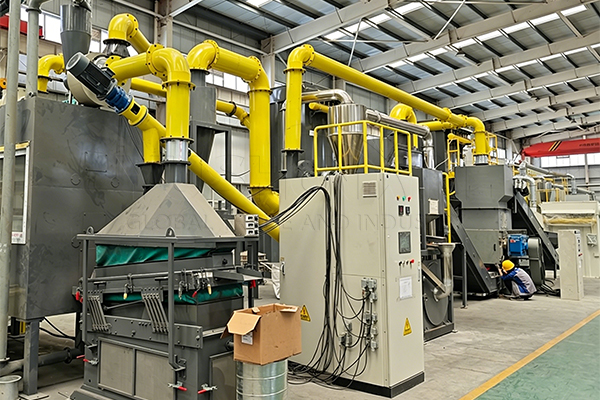
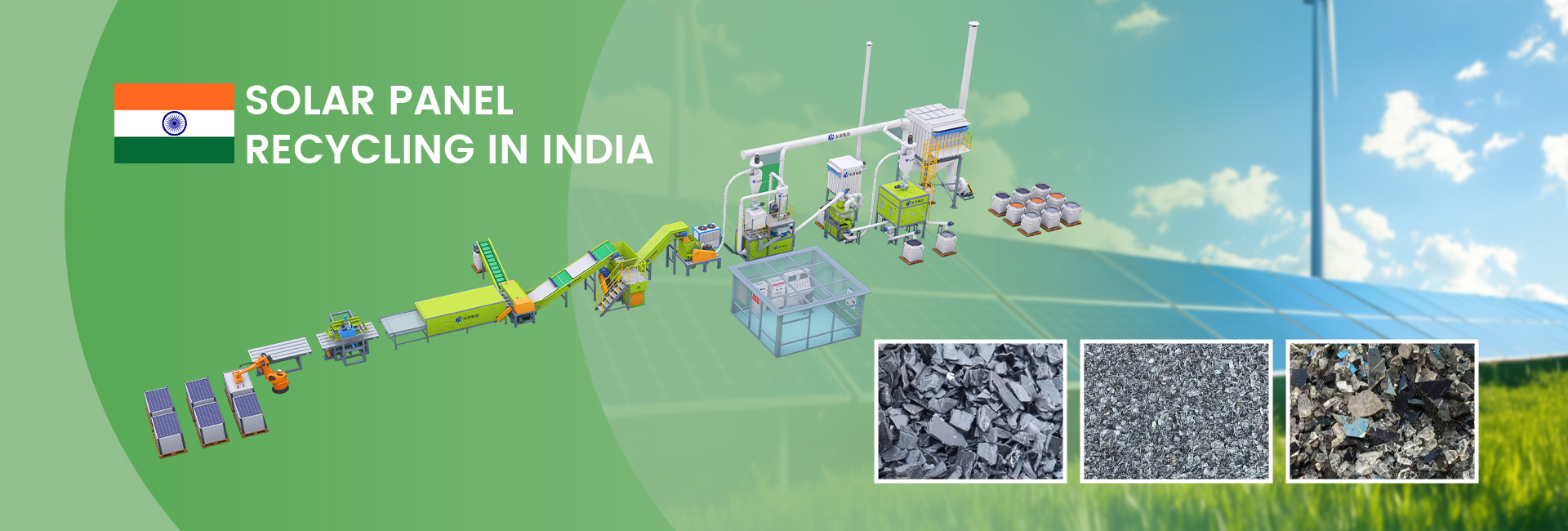
Based on the characteristics of the Indian market and customer requirements, we have designed two pamamahala ng pag-recycle ng solar panel with a daily processing capacity of 1 ton each.


What Is the Market Value of Recovered Materials in India?
Recovered materials from solar panel recycling have stable market demand in India. Typical recycled metal market prices include the following aspects.
| materyal | Price in India |
|---|---|
| Recycled aluminum frame | $1,800–$2,300 / ton |
| Solar glass cullet | $30–$60 / ton |
| Silicon powder | $700–$1,200 / ton |
| Copper from junction boxes | $7,000–$9,000 / ton |
Paano ang mga resulta ng proyekto at feedback ng kliyente?
Ang pag-recycle ng solar panel sa India ay nagsimula ng transportasyon ng kagamitan noong Pebrero 2025. Pagkatapos, natapos nito ang on-site foundation construction noong Marso at natapos ang installation at commissioning noong Abril. Pagkatapos ng pagsisimula ng produksyon, ang sistema ay nagpapatakbo ng matatag na may average na kapasidad sa pagpoproseso ng 1.03 t/h at komprehensibong recovery rate ng 88.6%. Ang lahat ng maubos na gas at wastewater ay nakakatugon sa mga pamantayan sa paglabas mula sa CPCB ng India.

Ang sistema ay nagpapatakbo ng matatag at madali. Na may mataas na kadalisayan sa pagbawi ng produkto, nagbibigay ito ng maaasahang katiyakan para sa proseso ng produksyon. Lubos kaming nasisiyahan sa pangkalahatang pagganap at planong palawakin ang kapasidad ng produksyon sa hinaharap. Inaasahan namin ang pagkakataong magtulungan!
Related Case: 1000 kg/h Solar Panel Recycling Plant in Germany
If you prefer a pure mechanical solar panel recycling solution, you can also refer to our 1000kg/h photovoltaic panel recycling project sa Germany.
This project processes 1000 kg of photovoltaic panels per hour, which is similar to the capacity of the Indian photovoltaic panel recycling plant. Gayunpaman, the German project adopts a fully mechanical recycling process without thermal treatment.
Compared with the Indian solar panel recycling project, the German system focuses on physical dismantling and material separation. Samantala, the Indian project uses mechanical plus solar panel pyrolysis technology to improve silicon recovery purity. Samakatuwid, these two projects demonstrate different photovoltaic recycling approaches under the same processing capacity.
You can compare both solutions and select the most suitable process according to panel structure, investment budget, and recovery targets.