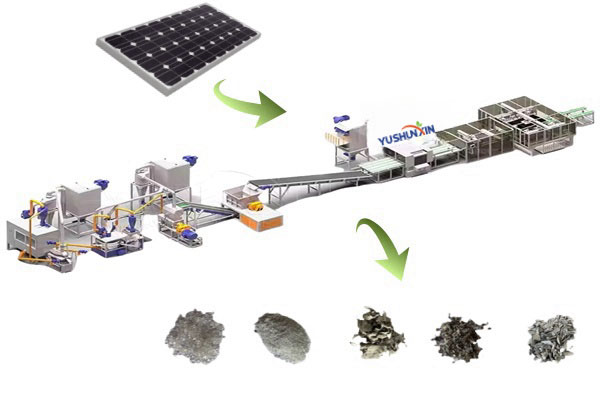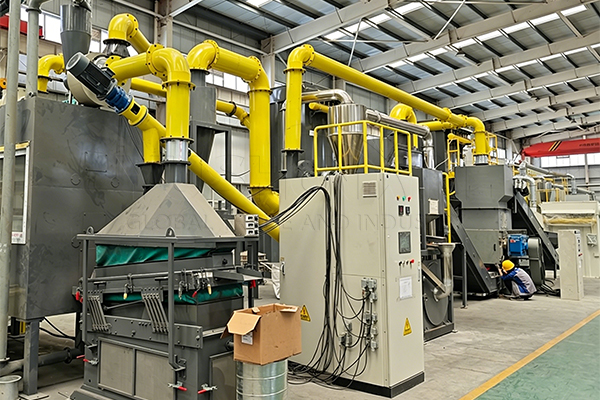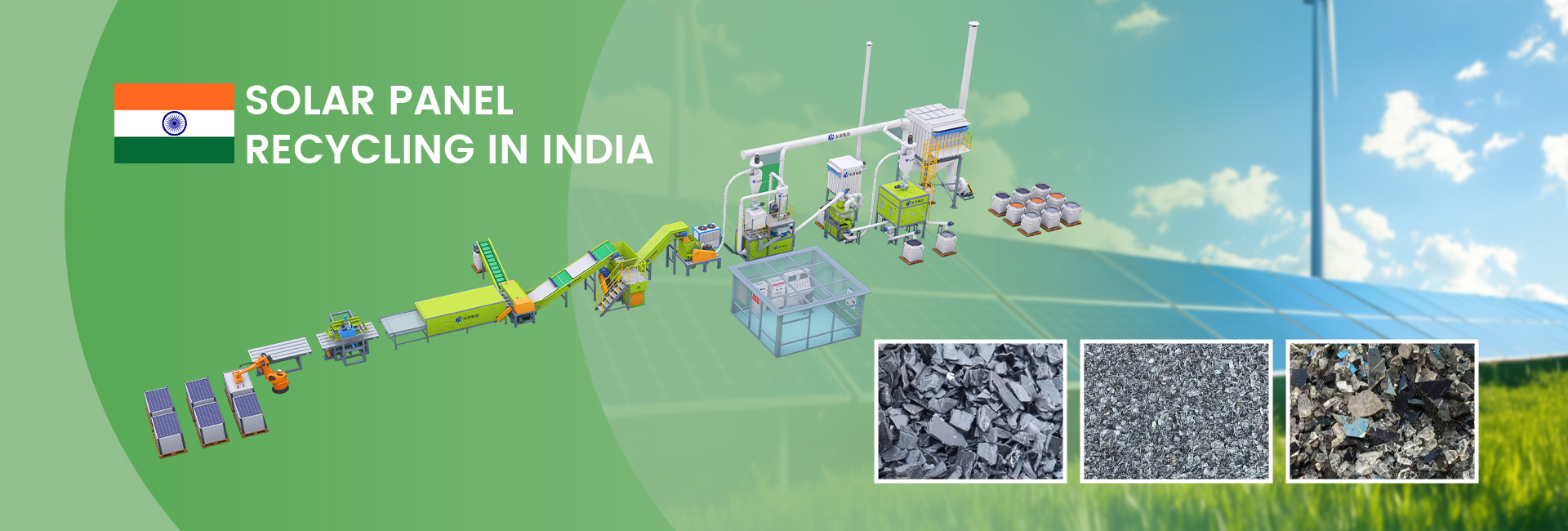
ככל שהמעבר העולמי לאנרגיה נקייה מואץ, הודו הפכה לאחת המדינות הצומחות ביותר בעולם עבור התקנות פאנלים סולאריים. הפעלתן בקנה מידה גדול של תחנות כוח סולאריות פירושה גם שהקבוצה הראשונה של פאנלים סולאריים תפרוש בשנים הקרובות. נציג את מיחזור הפאנלים הסולאריים שלנו בהודו, על מנת לספק התייחסות לחברות המתמקדות בשוק ההודי.
מה המצב הנוכחי של תעשיית האנרגיה הסולארית בהודו?

במהלך העשור האחרון, תעשיית ייצור החשמל הסולארי בהודו צומחת במהירות מהירה. According to data from the Indian Ministry of New and Renewable Energy (מַר), קיבולת האנרגיה הסולארית של הודו עלתה 70 GW מאת 2024, אשר מדורגת בין חמשת הראשונים בעולם. בינתיים, the Indian government’s Jawaharlal Nehru National Solar Mission aims to achieve over 280GW of solar power capacity by 2030 כדי לתמוך ביעד ארוך הטווח של נטו אפס 2070.
What Were the Customer Requirements for Solar Panel Recycling in India?
עד סוף 2024, חברה חדשה לפיתוח אנרגיה בגוג'ראט, הוֹדוּ, פנו אלינו. The company plans to establish a solar panel recycling production line to process end-of-life photovoltaic modules and recover high-value materials. The main project requirements included:

Solar Panel Recycling Plant Cost in India: Investment Breakdown
The investment for a solar panel recycling plant in India is relatively clear when based on real project data. For a standard 1 ton per hour solar panel recycling system, the total cost typically ranges between $900,000 ו $1,500,000, depending on technology configuration and automation level.
Which Solar Panel Recycling Solutions Did We Propose?
Based on the characteristics of the Indian market and customer requirements, we have designed two ניהול מיחזור פאנלים סולאריים with a daily processing capacity of 1 ton each.


What Is the Market Value of Recovered Materials in India?
Recovered materials from solar panel recycling have stable market demand in India. Typical recycled metal market prices include the following aspects.
| חוֹמֶר | Price in India |
|---|---|
| Recycled aluminum frame | $1,800–$2,300 / ton |
| Solar glass cullet | $30–$60 / ton |
| Silicon powder | $700–$1,200 / ton |
| Copper from junction boxes | $7,000–$9,000 / ton |
איך תוצאות הפרויקט והמשוב של הלקוח?
מיחזור הפאנלים הסולאריים בהודו החל בהובלת ציוד בפברואר 2025. אָז, הוא השלים את בניית היסודות באתר במרץ וסיים את ההתקנה וההפעלה באפריל. לאחר הפעלת הייצור, המערכת פעלה ביציבות עם יכולת עיבוד ממוצעת של 1.03 t/h ושיעור התאוששות מקיף של 88.6%. כל גזי הפליטה והשפכים עומדים בתקני הפריקה של ה-CPCB של הודו.

המערכת פועלת בצורה יציבה וקלה. עם טוהר שחזור מוצר גבוה, הוא מספק הבטחה אמינה לתהליך הייצור. אנו מרוצים מאוד מהביצועים הכוללים ומתכננים להרחיב את כושר הייצור בעתיד. אנו מצפים להזדמנות לשתף פעולה!
Related Case: 1000 kg/h Solar Panel Recycling Plant in Germany
If you prefer a pure mechanical solar panel recycling solution, you can also refer to our 1000פרויקט מיחזור פאנלים פוטו-וולטאיים בק"ג לשעה בגרמניה.
This project processes 1000 kg of photovoltaic panels per hour, which is similar to the capacity of the Indian photovoltaic panel recycling plant. אוּלָם, the German project adopts a fully mechanical recycling process without thermal treatment.
Compared with the Indian solar panel recycling project, the German system focuses on physical dismantling and material separation. בינתיים, the Indian project uses mechanical plus solar panel pyrolysis technology to improve silicon recovery purity. לָכֵן, these two projects demonstrate different photovoltaic recycling approaches under the same processing capacity.
You can compare both solutions and select the most suitable process according to panel structure, investment budget, and recovery targets.