ในขณะที่การเปลี่ยนแปลงพลังงานสะอาดทั่วโลกเร่งตัวขึ้น, อินเดียได้กลายเป็นหนึ่งในประเทศที่เติบโตเร็วที่สุดในโลกสำหรับการติดตั้งแผงโซลาร์เซลล์. การดำเนินงานขนาดใหญ่ของโรงไฟฟ้าพลังงานแสงอาทิตย์ยังหมายความว่าแผงโซลาร์เซลล์ชุดแรกจะเลิกใช้ในปีต่อๆ ไป. เราจะแนะนำการรีไซเคิลแผงโซลาร์เซลล์ของเราในอินเดีย, เพื่อใช้เป็นข้อมูลอ้างอิงสำหรับบริษัทที่เน้นตลาดอินเดีย.
สถานะปัจจุบันของอุตสาหกรรมพลังงานแสงอาทิตย์ของอินเดียเป็นอย่างไร?

ตลอดทศวรรษที่ผ่านมา, อุตสาหกรรมการผลิตพลังงานแสงอาทิตย์ของอินเดียกำลังเติบโตอย่างรวดเร็ว. According to data from the Indian Ministry of New and Renewable Energy (นาย), กำลังการผลิตพลังงานแสงอาทิตย์ของอินเดียเกินกว่านั้น 70 จีดับบลิว โดย 2024, ซึ่งติดหนึ่งในห้าอันดับแรกของโลก. ขณะเดียวกัน, the Indian government’s Jawaharlal Nehru National Solar Mission aims to achieve over 280GW of solar power capacity by 2030 เพื่อสนับสนุนเป้าหมายระยะยาว Net Zero 2070.
What Were the Customer Requirements for Solar Panel Recycling in India?
โดยสิ้นเดือน 2024, บริษัทพัฒนาพลังงานแห่งใหม่ในรัฐคุชราต, อินเดีย, ติดต่อเรา. The company plans to establish a solar panel recycling production line to process end-of-life photovoltaic modules and recover high-value materials. The main project requirements included:

Solar Panel Recycling Plant Cost in India: Investment Breakdown
The investment for a solar panel recycling plant in India is relatively clear when based on real project data. For a standard 1 ton per hour solar panel recycling system, the total cost typically ranges between $900,000 และ $1,500,000, depending on technology configuration and automation level.
Which Solar Panel Recycling Solutions Did We Propose?
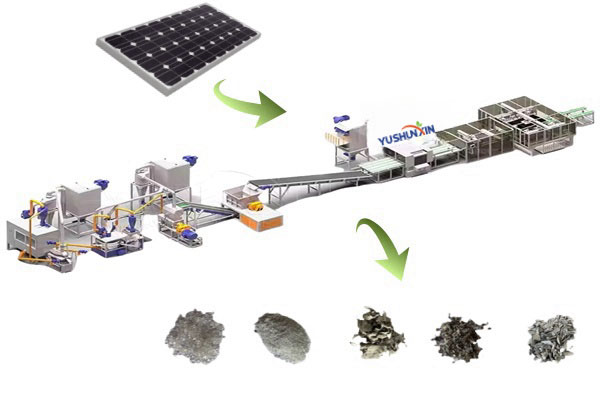
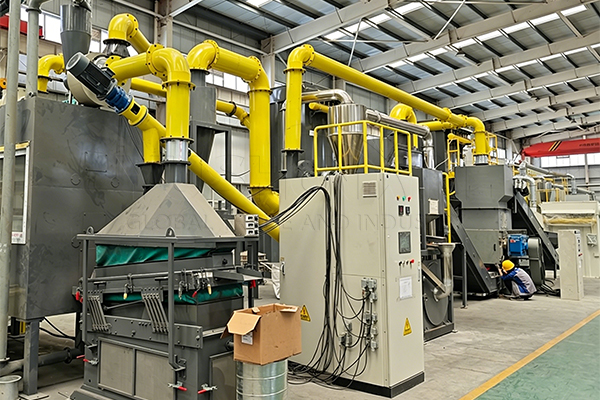
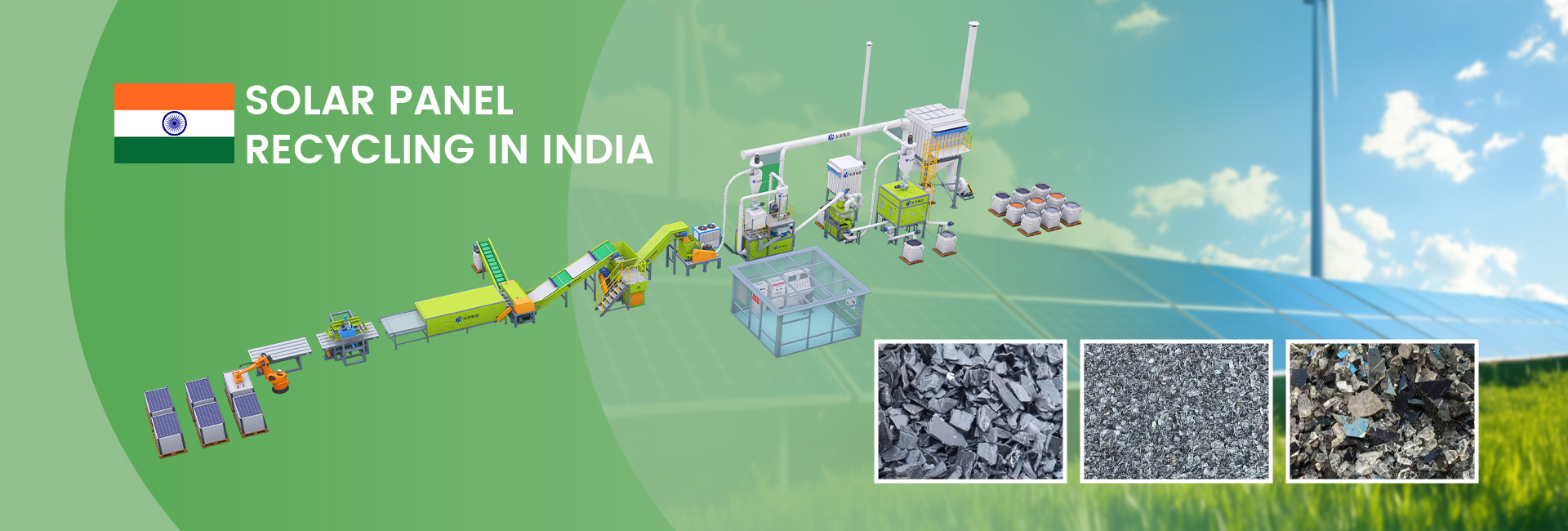
Based on the characteristics of the Indian market and customer requirements, we have designed two การจัดการรีไซเคิลแผงโซลาร์เซลล์ with a daily processing capacity of 1 ton each.


What Is the Market Value of Recovered Materials in India?
Recovered materials from solar panel recycling have stable market demand in India. Typical recycled metal market prices include the following aspects.
| วัสดุ | Price in India |
|---|---|
| Recycled aluminum frame | $1,800–$2,300 / ton |
| Solar glass cullet | $30–$60 / ton |
| Silicon powder | $700–$1,200 / ton |
| Copper from junction boxes | $7,000–$9,000 / ton |
ผลลัพธ์ของโครงการและผลตอบรับจากลูกค้าเป็นอย่างไร?
การรีไซเคิลแผงโซลาร์เซลล์ในอินเดียเริ่มการขนส่งอุปกรณ์ในเดือนกุมภาพันธ์ 2025. แล้ว, โดยก่อสร้างฐานรากที่ไซต์งานแล้วเสร็จในเดือนมีนาคม และติดตั้งและทดสอบเดินเครื่องแล้วเสร็จในเดือนเมษายน. หลังจากเริ่มการผลิต, ระบบทำงานได้อย่างเสถียรด้วยความสามารถในการประมวลผลเฉลี่ยที่ 1.03 t/h และอัตราการฟื้นตัวที่ครอบคลุมของ 88.6%. ก๊าซไอเสียและน้ำเสียทั้งหมดเป็นไปตามมาตรฐานการปล่อยจาก CPCB ของอินเดีย.

ระบบทำงานได้อย่างเสถียรและง่ายดาย. ด้วยความบริสุทธิ์ในการคืนสภาพผลิตภัณฑ์สูง, ให้การรับประกันที่เชื่อถือได้สำหรับกระบวนการผลิต. เราพอใจกับผลการดำเนินงานโดยรวมเป็นอย่างมากและมีแผนที่จะขยายกำลังการผลิตในอนาคต. เราหวังว่าจะมีโอกาสได้ร่วมงานกัน!
Related Case: 1000 kg/h Solar Panel Recycling Plant in Germany
If you prefer a pure mechanical solar panel recycling solution, you can also refer to our 1000โครงการรีไซเคิลแผงเซลล์แสงอาทิตย์ กก./ชม. ในเยอรมนี.
This project processes 1000 kg of photovoltaic panels per hour, which is similar to the capacity of the Indian photovoltaic panel recycling plant. อย่างไรก็ตาม, the German project adopts a fully mechanical recycling process without thermal treatment.
Compared with the Indian solar panel recycling project, the German system focuses on physical dismantling and material separation. ขณะเดียวกัน, the Indian project uses mechanical plus solar panel pyrolysis technology to improve silicon recovery purity. ดังนั้น, these two projects demonstrate different photovoltaic recycling approaches under the same processing capacity.
You can compare both solutions and select the most suitable process according to panel structure, investment budget, and recovery targets.