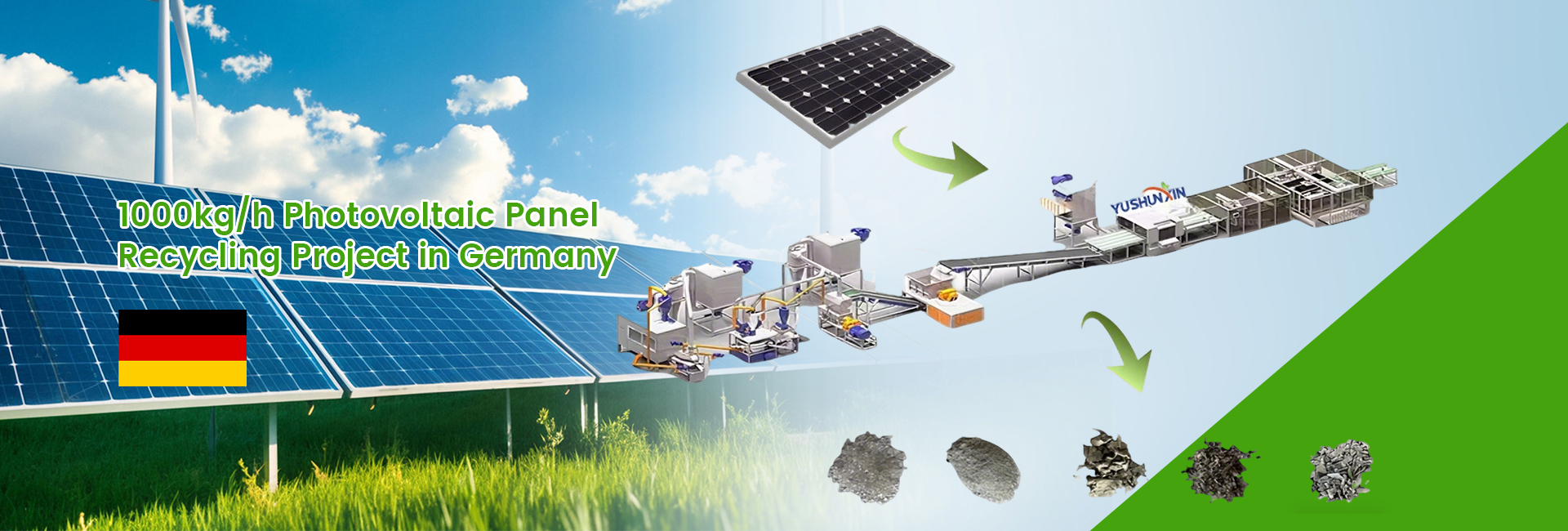
Habang patuloy na lumalaki ang kapasidad ng photovoltaic ng Germany, isang malaking bilang ng mga maagang na-install na PV module ang unti-unting umaabot sa katapusan ng kanilang mga operational lifespans. Sa maaga 2024, isang kliyente mula sa Germany ang nakipag-ugnayan sa amin na may malinaw na layunin. Layunin nilang magtatag ng isang photovoltaic panel recycling production line na may kapasidad na 1,000 kg/h, upang makapagbigay ng mga propesyonal na serbisyo sa pag-recycle sa lokal na lugar at mga nakapaligid na rehiyon.
Ang kliyente ay orihinal na nakikibahagi sa pag-recycle ng mga scrap cable at nagtataglay ng ilang karanasan sa pag-recycle, ngunit hindi pamilyar sa istraktura ng photovoltaic modules, mga pamamaraan ng disassembly, at mga pamantayan sa kapaligiran. Nag-aalala sila tungkol sa mahabang cycle ng return on investment para sa mga kagamitan at umaasa rin na makamit ang mahusay na pagproseso na may limitadong espasyo sa pabrika at mga kondisyon ng supply ng kuryente. Batay sa mga partikular na kalagayan ng kliyente, kami ay nagdisenyo ng a 1000 kg/h photovoltaic panel recycling project sa Germany.

What is the current status of Germany’s photovoltaic recycling market conditions?
Which Recycling Solution Maximizes Value for This PV Recycling Project?
During the technical discussion with the client, For the 1000kg/h Photovoltaic Panel Recycling Project in Germany, we designed both a mechanical system and a Solusyon sa proyekto ng solar panel pyrolysis to meet different recovery goals.
Ito Teknolohiya ng PV pyrolysis uses high-temperature pyrolysis to decompose the EVA adhesive layer, significantly improving the separation purity of silicon wafers and glass. Research shows that pyrolysis is more effective than simple crushing in removing organic matter and separating large-particle glass, resulting in higher purity of recovered materials .
The investment cost is lower than that of pyrolysis lines, there is no risk of harmful gas emissions from combustion, the process is mature, and it is easier to obtain environmental permits in Germany.
After weighing the budget and the speed of obtaining permits, the client chose our PV mechanical recycling solution. We reserved an expansion interface for future connection to a solar panel pyrolysis recycling line, allowing for future upgrades if material purity requirements become higher.
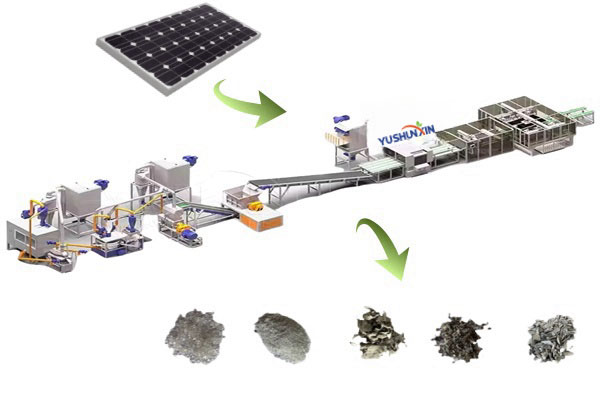
Ano ang pangunahing daloy ng proseso para sa 1000 kg/h photovoltaic panel recycling project sa Germany?
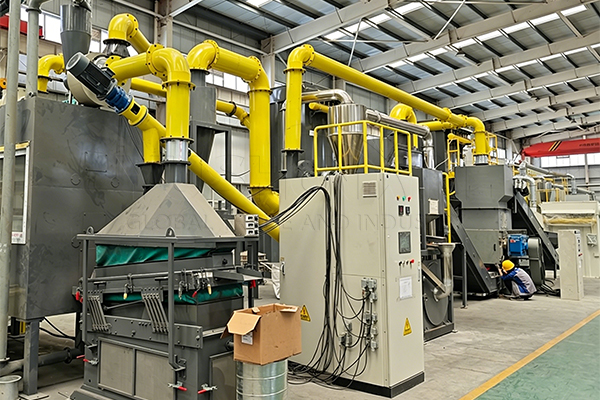
Upang matugunan ang mga kinakailangan ng aming mga kliyenteng Aleman, kami ay nagdisenyo ng a proyektong pagtatapon ng single-glass photovoltaic panels na nagtatampok ng mga modular na proseso at isang ganap na nakapaloob na eco-friendly na sistema. Nagtatampok ang buong photovoltaic panel recycling production line ng isang compact na istraktura, mababang pagkonsumo ng enerhiya, at mataas na kahusayan sa pagproseso. Samakatuwid, it is suitable for Germany’s stringent environmental regulations and industrial safety standards.
Pre-processing
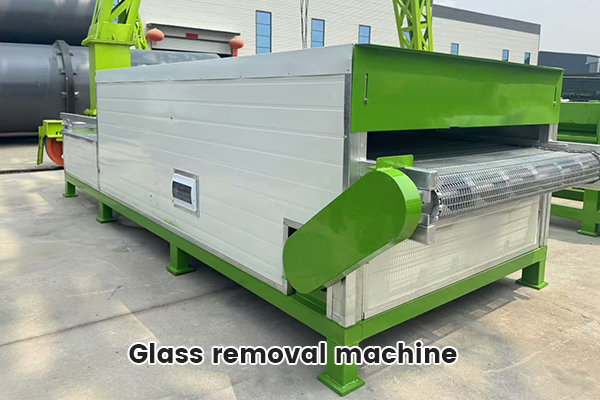
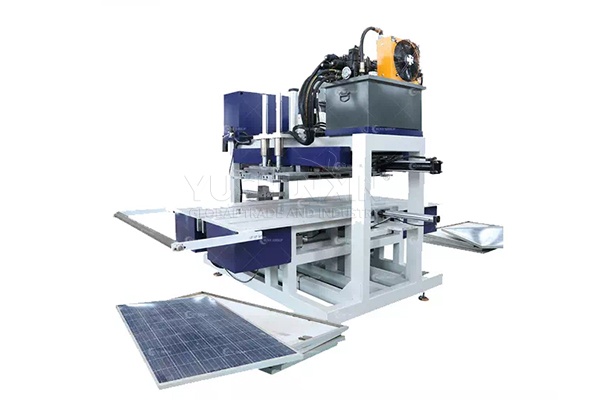
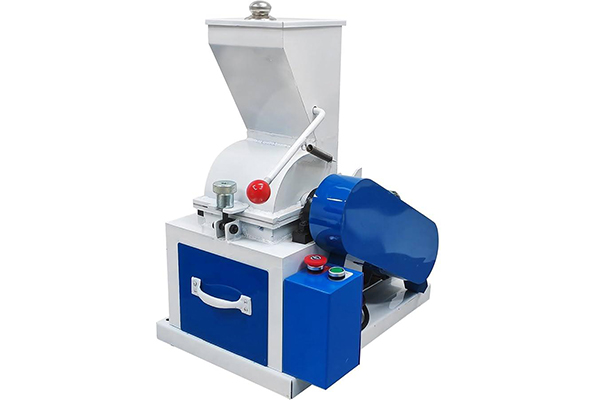
Ang mga photovoltaic module ay pumapasok sa system sa pamamagitan ng belt conveyor. Una, the semi-automatic frame remover separates the aluminum frame. Kasunod nito, the glass remover uses mechanical force to break the tempered glass, allowing for the preliminary recovery of large-particle glass and reducing the load on subsequent crushing.



Multi-stage na Pag-uuri
Magnetic separation machine
Magnetic separation machine: Removes iron filings and ferrous metal debris from the frame.
Eddy current separator
Eddy current separator: Separates non-ferrous metals, mainly aluminum and copper.
Mga kagamitan sa paghihiwalay ng gravity
Mga kagamitan sa paghihiwalay ng gravity: Separates light materials (crushed plastic from backsheets) from heavy materials (glass and metal mixture).
Electrostatic Separator
Electrostatic Separator: Extracts copper and silver from mixed metal powders, delivering >99% recovery of precious metals for maximum profitability.
Sistema ng Pangangalaga sa Kapaligiran
The project is equipped with a baghouse dust collector (capturing fine dust with an efficiency of >99.9%) to ensure that exhaust emissions meet German TA Luft (Technical Instructions on Air Quality Control) standards. The process is entirely dry and physical, achieving zero wastewater discharge.


How Profitable Is Copper Recovery in the German Market?
During the equipment selection phase, the client specifically focused on the recovery of tanso. Because copper has a high unit price and is a key factor in shortening the ROI cycle.
Gayunpaman, if the copper is sold directly to smelters in Belgium (e.g., Umicore) or specialized metal refineries, they offer higher purchase prices for high-purity copper because they can directly process it . Our electrostatic separation system increases copper purity to over 99%, enabling the client to bypass local intermediate dealers and sell directly to large smelters for better prices.
Customer Benefit: Recovering only copper can generate €264 to €360 in daily revenue. Combined with aluminum (accounting for approx. 10%-15% of total weight) and glass revenue, the payback period for the equipment can be significantly shortened.
Why Did Our German Client Ultimately Choose Our Solution?
After evaluating multiple equipment manufacturers, the client ultimately decided to partner with us. The core reasons are as follows: