
YUSHUNXIN UBC DECOATING & MELTING
เชื่อมต่อการเตรียม UBC, การกำจัดการเคลือบ, melting, casting or molten-metal delivery, dust control and heat utilization as one engineered system. The project begins with scrap condition and the required aluminum product boundary.
INPUT & OUTPUT BOUNDARY
Stable operation depends on the material around the aluminum.
Scrap form
Loose cans, bales, shredded UBC or a prepared furnace feed.
Incoming condition
ความชื้น, dirt, ferrous contamination, พลาสติก, coating load and storage history.
Operating basis
Supply volume, ตารางการทำงาน, fuel and power, labor and maintenance windows.
Product form
Cast ingot, molten aluminum supply or an agreed intermediate output.
INTEGRATED PROCESS
Decoating is part of the melting strategy—not an isolated furnace.
- 01
Receive and prepare
Inspect, debale or shred, remove incompatible contaminants and stabilize feed presentation.
- 02
Thermally remove coatings
Control temperature, residence, oxygen and material movement around the actual UBC condition.
- 03
Manage process gas
Integrate combustion, dust control and heat-use strategy within the agreed site boundary.
- 04
Melt and condition
Match furnace operation to prepared feed, alloy plan and the target metal output.
- 05
Cast or transfer
Configure ingot casting or molten-metal handling, including safety and downstream logistics.
PROCESS MEDIA & EQUIPMENT CONTEXT
Follow the material from cans to prepared furnace feed.
The gallery connects feedstock, shredding and de-coating images to the process role each area supports.
APPROVED PROJECT ENVELOPE
Reference conditions for early engineering discussion.
Temperatures are approved planning references, not universal operating setpoints. Metal yield, energy use, emissions result and product quality require a confirmed scrap and site basis.
PROJECT INTEGRATION
Define every handoff around the furnaces.
Material handoff
Scrap reception, พื้นที่จัดเก็บ, debaling, shredding and contaminant removal.
Thermal handoff
Prepared UBC transfer, gas handling, dust capture and heat-use boundary.
Metal handoff
Holding, sampling, casting, molten transfer, cooling and storage.
Site handoff
Fuel, power, foundations, ventilation, ความปลอดภัย, การตรวจสอบ, local permit requirements and responsibility allocation.
PROJECT FAQ
Questions that change furnace and line design.
Can the line accept baled cans directly?
Feed preparation depends on bale density, การปนเปื้อน, moisture and the selected transfer method. Share representative bales and storage conditions for review.
Is metal yield guaranteed?
No universal yield is published. It depends on incoming aluminum content, coatings, การปนเปื้อน, การตระเตรียม, oxidation, furnace operation and the agreed measurement boundary.
Should the project produce ingots or molten aluminum?
The choice depends on downstream distance, production synchronization, alloy control, ความปลอดภัย, storage and commercial requirements.
Does heat reuse guarantee local emissions compliance?
No. Heat utilization can be part of the process design, but local limits, treatment modules, monitoring and permitting must be confirmed separately.
START THE UBC REVIEW
Share scrap condition, product form and site utilities.
YUSHUNXIN will identify the missing process and commercial boundaries.
Build the decoating line around the incoming aluminum scrap.
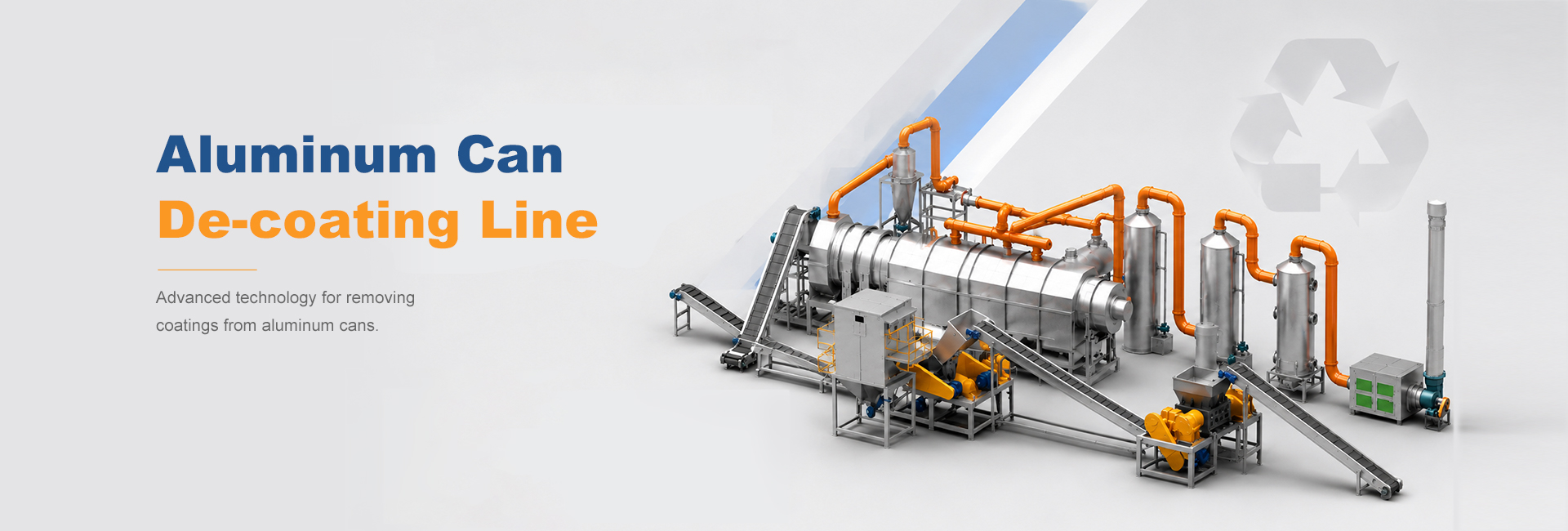
A connected project can combine size reduction, ferrous and non-ferrous separation, controlled thermal decoating, off-gas management, melting and ingot handling. The final scope depends on the coating system, scrap density, contamination and downstream metal specification.
From incoming UBC bales to a controlled furnace feed
The line should be configured as a material-to-output system rather than a standalone furnace.
- 01Receiving and bale opening
- 02Shredding and size control
- 03Magnetic and eddy-current separation
- 04Controlled thermal decoating
- 05Gas treatment and heat integration
- 06Optional melting, casting and palletizing
What changes the equipment list
A reliable proposal starts with the actual scrap profile and the agreed delivery boundary.
Feedstock form
Loose cans, compacted bales, mixed packaging scrap, painted profiles and oily turnings require different opening, feeding and separation arrangements.
Coating and contamination
Paint, ink, lacquer, polymer film, oil, ความชื้น, iron and non-metallic contamination influence residence time, gas handling and downstream metal cleaning.
Downstream route
Decoated scrap may be sold, remelted on site or integrated with refining, casting and automatic stacking. Each route changes utilities and layout.
Environmental boundary
The off-gas train must be selected against the coating chemistry, local permit basis, fuel system and required monitoring points.
Design decisions that protect metal value and operating stability
Published figures are planning references and require project confirmation. Representative feedstock testing and a documented acceptance basis are required.
Atmosphere control
Limit uncontrolled air ingress and monitor the thermal environment to reduce oxidation risk and maintain repeatable coating removal.
Material balance
Record incoming scrap, separated contaminants, decoated aluminum, residues and optional molten-metal output.
Heat integration
Evaluate recovered process gas and hot exhaust as project energy streams only after their composition and stability are understood.
Acceptance plan
Agree sampling, test method, run duration, product cleanliness, emissions boundary and utility conditions before commercial acceptance.
See the connected equipment boundary.
Reference visuals support early layout discussion. Final equipment, arrangement and interfaces are confirmed from the project material and site.
Translate project facts into an equipment list.
This reference matrix shows the decision logic. Final quantities, models and interfaces belong in the approved project proposal.
| System block | Typical scope | Configuration basis |
|---|---|---|
| Material preparation | Bale opening, shredding, sizing and controlled transfer | Scrap form, density and required furnace feed |
| แยก | Magnetic, eddy-current and manual or sensor-based quality control | Iron, non-ferrous attachments and non-metallic contamination |
| Thermal section | Controlled decoating reactor, seals, heating and discharge | Coating load, residence basis and oxidation control |
| Environmental section | Gas combustion or oxidation, particulate and polishing stages | Coating chemistry and local emissions boundary |
| Downstream metal | Cooling, พื้นที่จัดเก็บ, optional melting, casting and palletizing | Target product and agreed delivery scope |
Advance the project only when the required evidence is available.
Each gate turns customer information into a defined technical or commercial output for the next decision.
Scrap profile
Confirm scrap category, coating, oils, attachments and incoming form.
OutputRepresentative scrap and contamination recordRoute definition
Define preparation, การแยก, decoating and downstream metal boundary.
OutputAgreed material-to-product flowEnvironmental basis
Identify coating chemistry, off-gas, residue and local test requirements.
OutputControl and monitoring registerAcceptance plan
Agree tested feed, sampling, stable run and downstream quality checks.
OutputMeasurable project acceptance sheetQuestions to resolve before configuration.
Answers define the engineering boundary; they do not replace representative material testing or local compliance review.
What information is required to configure an aluminum decoating line?
Provide the scrap category, coating or oil condition, bale or particle dimensions, การปนเปื้อน, available volume, downstream metal route, site utilities and local environmental basis.
Can one standard line process every type of aluminum scrap?
No. UBC bales, painted profiles, automotive scrap and oily turnings can require different opening, การแยก, feeding, thermal and gas-treatment arrangements.
Is melting and ingot casting always included?
No. The project can stop at cleaned scrap or include melting, refining, casting and palletizing when those interfaces are part of the agreed scope.
How should project acceptance be defined?
Acceptance should state the tested feedstock, sampling method, stable operating period, material balance, product-cleanliness basis, utility conditions and environmental measurement boundary.
Define the material before selecting the equipment.
Share a representative material description, available volume, site status and target outputs. YUSHUNXIN will use those facts to prepare the relevant process boundary and configuration discussion.
Configure decoating, melting, circulation and casting as one thermal system.
The approved UBC catalogue presents a project capacity range of 1,000–25,000 kg/h. It is a configurable range, not one universal machine or guaranteed stable output.
Start with coating burden and finish with an agreed metal specification.
- 01Scrap qualificationUBC, briquette or mixed aluminum; coating, oil, moisture and alloy profile.
- 02Controlled decoatingResidence time and thermal duty follow the submitted coating burden.
- 03Gas and heat interfaceSecondary treatment, filtration and heat recovery form one boundary.
- 04Side-well meltingCharge, circulation and holding are configured to the alloy target.
- 05Casting acceptanceIngot chemistry, dross, energy and emissions are confirmed by project evidence.
Decoating basis
Document paint, oil, พลาสติก, dirt, ความชื้น, attachments and bale condition.
Melting basis
Confirm side-well furnace, ALUSWIRLER® circulation, holding and casting interfaces.
Evidence basis
Metal yield, dross, energy, emissions and ingot quality require a representative trial.


