
In recent years, with the rapid popularity of new energy vehicles, energy storage systems, and smart devices, the demand for lithium batteries has experienced explosive growth. Meanwhile, a large number of retired batteries are entering the recycling process. The decade from 2020 i 2030 will be a key period for lithium battery recycling technology from the beginning to maturity.
What role will recycled materials play in the global supply chain by 2030?
By 2030, the cumulative volume of retired lithium batteries worldwide will exceed 12 million tons, several times the amount in 2020.

Lithium Recycling Share
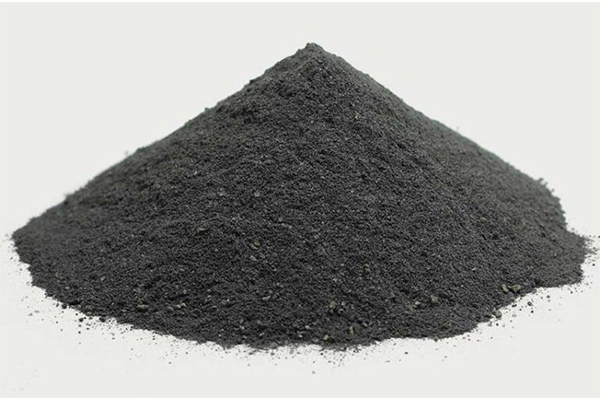
Nickel Recycling Rate

Cobalt Recovery Share
How Will Lithium Battery Recycling Technology Evolve from 2020 i 2030?
Lithium battery recycling technology primarily follows three approaches: mechanical recycling, pyrolytic treatment, and hydrometallurgy.
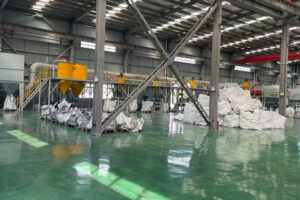
Prior to 2020, mechanical recycling primarily relied on manual dismantling and basic crushing. Traditional manual disassembly is not only inefficient but also carries risks of short circuits and leakage.
Since entering 2020, YUSHUNXIN has launched electronic waste shredder. YUSHUNXIN introduced an intelligent disassembly system that completes automatic shell removal, electrolyte extraction, and graded crushing processes. Electronic waste shredder incorporates a low-temperature crushing system and inert gas protection system to prevent thermal runaway and the volatilization of organic gases.

Manufacturers began widely adopting pyrolysis technology around 2020 to remove electrolyte and organic binders, but it requires high energy and complex emissions treatment.
Fodd bynnag, our low-temperature pyrolysis furnace employs an inert gas circulation system that enables efficient decomposition of organic matter below 500°C, with a 30% reduction in energy consumption from traditional equipment. Yn bwysicach fyth, this lithium battery recycling technology is equipped with exhaust gas purification and recovery modules, which provides assurance for enterprises to reduce carbon emissions and environmental risks.
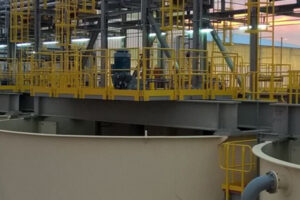
Hydrometallurgy represents the most efficient technological approach for metal recovery, and the key lies in precisely controlling the leaching, gwahaniad, and purification processes.
YUSHUNXIN hydrometallurgical equipment employs a multi-stage reactor design. In addition, it combines acid addition with temperature control systems to automatically adjust leaching parameters according to different battery materials. Through selective extraction and electrowinning technologies, the recovery rates for lithium, nicel, and cobalt can reach over 95%, 98%, a 96%, respectively.
Can different types of batteries have the same recycling process?
There are numerous types of lithium batteries, such as ternary (NCM/NCA), ffosffad haearn lithiwm (LFP), lithium manganese oxide, and lithium titanate. Different battery systems have distinct requirements for recycling processes.

Technology and interface planning
Compare pretreatment, conditioning and separation architectures using current material evidence, not universal performance claims.
Deunydd sy'n dod i mewn
Battery evolution, chemistry share, cell-to-pack architecture and receiver requirements.
Allbynnau disgwyliedig
Route-specific fractions and evidence plan.
Rhyngwynebau prosiect
Safety case, process control, allyriadau, residue, utilities and downstream qualification.
Defnyddiwch y rhes sy'n cyfateb i ffin y broses a ddewiswyd yn unig.
| Cyfeirnod catalog | Gallu | Grym | Amlen gorfforol | Ffin wedi'i chynnwys |
|---|---|---|---|---|
| Teulu cyhoeddus YSXTeulu offer cyhoeddus | 500-1,000 kg/awr | 102-238 kW | 20-35 m llinell; 7.5-19.5 t | Amlen offer-teulu safonol; dim dyraniad fesul model |
| YSX-LR500Llinell gyfan o'r chwith | 500 kg/awr | 320 kW | 40 × 15 × 7.5 m | Cyflyru, llinell gwahanu a thrin nwy |
| YSX-LR1000Llinell gyfan o'r chwith | 1,000 kg/awr | 410 kW | 45 × 17 × 7.5 m | Cyflyru, llinell gwahanu a thrin nwy |
| Cyfeirnod y prosiect - 500Cynllun integredig cynharach | 500 kg/awr | 300 kW | 60 × 7 × 7 m | Cynllun cynharach heb label enghreifftiol wedi'i gyhoeddi |
| Cyfeirnod y prosiect - 1000Cynllun integredig cynharach | 1,000 kg/awr | 349 kW | 80 × 7 × 7 m | Cynllun cynharach heb label enghreifftiol wedi'i gyhoeddi |
Rheol cyfluniad: mae capasiti catalog yn gyfeirnod cynllunio. Trwybwn sefydlog, pŵer gosod / gweithredu, ôl troed, adferiad, purdeb, mae angen y rhestr offer cymeradwy ar allyriadau a galw am gyfleustodau, deunydd cynrychioliadol ac amodau derbyn ysgrifenedig.
Gwybodaeth sydd ei hangen cyn ffurfweddu a dyfynbris
- Lluniau deunydd cynrychioliadol, manylebau a sampl sydd ar gael.
- Capasiti gofynnol ynghyd ag oriau fesul sifft, shifftiau y dydd a diwrnodau gweithredu.
- Allbynnau targed, dull samplu a gofynion derbynnydd i lawr yr afon.
- Gwlad y safle, pŵer sydd ar gael, tanwydd, dwr, aer cywasgedig a therfynau adeiladu.
- Amgylchedd lleol, tân, gofynion storio a diogelwch galwedigaethol.
- Ffin dosbarthu y gofynnwyd amdani: offer, gosodiad, gosod, comisiynu a hyfforddi.


