
In recent years, with the rapid popularity of new energy vehicles, energy storage systems, and smart devices, the demand for lithium batteries has experienced explosive growth. Дар ҳамин ҳол, a large number of retired batteries are entering the recycling process. The decade from 2020 ба 2030 will be a key period for lithium battery recycling technology from the beginning to maturity.
What role will recycled materials play in the global supply chain by 2030?
By 2030, the cumulative volume of retired lithium batteries worldwide will exceed 12 million tons, several times the amount in 2020.

Lithium Recycling Share
Nickel Recycling Rate

Cobalt Recovery Share
How Will Lithium Battery Recycling Technology Evolve from 2020 ба 2030?
Lithium battery recycling technology primarily follows three approaches: mechanical recycling, pyrolytic treatment, and hydrometallurgy.
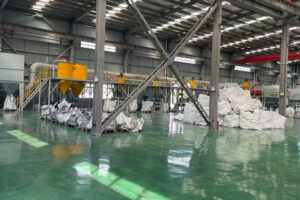
Prior to 2020, mechanical recycling primarily relied on manual dismantling and basic crushing. Traditional manual disassembly is not only inefficient but also carries risks of short circuits and leakage.
Since entering 2020, ЮШУНСИН has launched electronic waste shredder. YUSHUNXIN introduced an intelligent disassembly system that completes automatic shell removal, electrolyte extraction, and graded crushing processes. Electronic waste shredder incorporates a low-temperature crushing system and inert gas protection system to prevent thermal runaway and the volatilization of organic gases.

Manufacturers began widely adopting pyrolysis technology around 2020 to remove electrolyte and organic binders, but it requires high energy and complex emissions treatment.
Аммо, our low-temperature pyrolysis furnace employs an inert gas circulation system that enables efficient decomposition of organic matter below 500°C, with a 30% reduction in energy consumption from traditional equipment. Муҳимтар аз ҳама, this lithium battery recycling technology is equipped with exhaust gas purification and recovery modules, which provides assurance for enterprises to reduce carbon emissions and environmental risks.
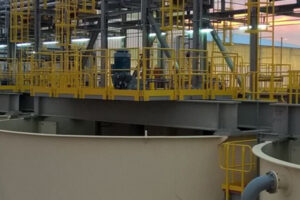
Hydrometallurgy represents the most efficient technological approach for metal recovery, and the key lies in precisely controlling the leaching, ҷудоӣ, and purification processes.
YUSHUNXIN hydrometallurgical equipment employs a multi-stage reactor design. Дар Илова, it combines acid addition with temperature control systems to automatically adjust leaching parameters according to different battery materials. Through selective extraction and electrowinning technologies, the recovery rates for lithium, никел, and cobalt can reach over 95%, 98%, ва 96%, respectively.
Can different types of batteries have the same recycling process?
There are numerous types of lithium batteries, such as ternary (NCM/NCA), фосфати оҳани литий (LFP), lithium manganese oxide, and lithium titanate. Different battery systems have distinct requirements for recycling processes.

Technology and interface planning
Compare pretreatment, conditioning and separation architectures using current material evidence, not universal performance claims.
Маводи воридотӣ
Battery evolution, chemistry share, cell-to-pack architecture and receiver requirements.
Натиҷаҳои пешбинишуда
Route-specific fractions and evidence plan.
Интерфейси лоиҳа
Safety case, process control, emissions, residue, utilities and downstream qualification.
Танҳо сатри мувофиқи сарҳади раванди интихобшударо истифода баред.
| Маълумотнома каталог | Иқтидор | Қувва | Лифофаи ҷисмонӣ | Сарҳади дохилшуда |
|---|---|---|---|---|
| Оилаи ҷамъиятии YSXОилаи тачхизоти чамъиятй | 500-1000 кг/соат | 102– 238 кВт | 20-35 м хати; 7.5–19,5 т | Таҷҳизоти стандартӣ - лифофаи оилавӣ; тақсимоти ҳар як модел нест |
| YSX-LR500Хатти пурраи LR | 500 кг/соат | 320 кВт | 40 × 15 × 7.5 м | Кондиционер, хатти чудокунй ва газтозакунй |
| YSX-LR1000Хатти пурраи LR | 1,000 кг/соат | 410 кВт | 45 × 17 × 7.5 м | Кондиционер, хатти чудокунй ва газтозакунй |
| Маълумотномаи лоиҳа - 500Тарҳбандии қаблан ҳамгирошуда | 500 кг/соат | 300 кВт | 60 × 7 × 7 м | Тарҳбандии қаблӣ бидуни нишони модели нашршуда |
| Маълумотномаи лоиҳа - 1000Тарҳбандии қаблан ҳамгирошуда | 1,000 кг/соат | 349 кВт | 80 × 7 × 7 м | Тарҳбандии қаблӣ бидуни нишони модели нашршуда |
Қоидаи конфигуратсия: иқтидори каталоги истинод ба нақша аст,. Ҳаҷми мӯътадил, қудрати насбшуда/амалкунанда, изи по, барқароршавӣ, покӣ, партовҳо ва талаботи коммуналӣ рӯйхати таҷҳизоти тасдиқшударо талаб мекунанд, шартҳои қабули маводи намояндагӣ ва хаттӣ.
Маълумоте, ки пеш аз конфигуратсия ва иқтибос лозим аст
- Суратҳои маводҳои намояндагӣ, мушаххасот ва намунаи дастрас.
- Иқтидори зарурӣ плюс соат дар як смена, смена дар як рӯз ва рӯзҳои корӣ.
- Натиҷаҳои мақсаднок, усули интихоб ва талаботи қабулкунандаи поёноб.
- Кишвари сайт, қувваи дастрас, сӯзишворӣ, об, ҳаво фишурда ва ҳудуди бино.
- Муҳити зисти маҳаллӣ, оташ, талаботҳои нигоҳдорӣ ва бехатарии меҳнат.
- Сарҳади интиқоли дархостшуда: тачхизот, тарҳрезӣ, насб, ба истифода додан ва тайёр кардан.


