
In recent years, with the rapid popularity of new energy vehicles, energy storage systems, and smart devices, the demand for lithium batteries has experienced explosive growth. Mentres tanto, a large number of retired batteries are entering the recycling process. The decade from 2020 a 2030 will be a key period for lithium battery recycling technology from the beginning to maturity.
What role will recycled materials play in the global supply chain by 2030?
By 2030, the cumulative volume of retired lithium batteries worldwide will exceed 12 million tons, several times the amount in 2020.

Lithium Recycling Share
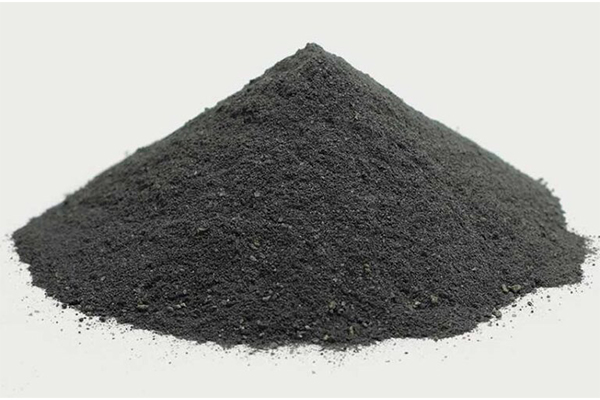
Nickel Recycling Rate

Cobalt Recovery Share
How Will Lithium Battery Recycling Technology Evolve from 2020 a 2030?
Lithium battery recycling technology primarily follows three approaches: mechanical recycling, pyrolytic treatment, and hydrometallurgy.
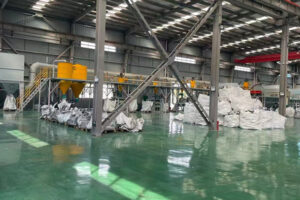
Prior to 2020, mechanical recycling primarily relied on manual dismantling and basic crushing. Traditional manual disassembly is not only inefficient but also carries risks of short circuits and leakage.
Since entering 2020, YUSHUNXIN has launched electronic waste shredder. YUSHUNXIN introduced an intelligent disassembly system that completes automatic shell removal, electrolyte extraction, and graded crushing processes. Electronic waste shredder incorporates a low-temperature crushing system and inert gas protection system to prevent thermal runaway and the volatilization of organic gases.

Manufacturers began widely adopting pyrolysis technology around 2020 to remove electrolyte and organic binders, but it requires high energy and complex emissions treatment.
Porén, our low-temperature pyrolysis furnace employs an inert gas circulation system that enables efficient decomposition of organic matter below 500°C, with a 30% reduction in energy consumption from traditional equipment. Máis importante aínda, this lithium battery recycling technology is equipped with exhaust gas purification and recovery modules, which provides assurance for enterprises to reduce carbon emissions and environmental risks.
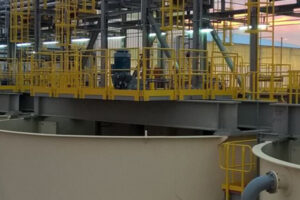
Hydrometallurgy represents the most efficient technological approach for metal recovery, and the key lies in precisely controlling the leaching, separación, and purification processes.
YUSHUNXIN hydrometallurgical equipment employs a multi-stage reactor design. Ademais, it combines acid addition with temperature control systems to automatically adjust leaching parameters according to different battery materials. Through selective extraction and electrowinning technologies, the recovery rates for lithium, nickel, and cobalt can reach over 95%, 98%, and 96%, respectively.
Can different types of batteries have the same recycling process?
There are numerous types of lithium batteries, such as ternary (NCM/NCA), fosfato de ferro de litio (LFP), lithium manganese oxide, and lithium titanate. Different battery systems have distinct requirements for recycling processes.

Technology and interface planning
Compare pretreatment, conditioning and separation architectures using current material evidence, not universal performance claims.
Material entrante
Battery evolution, chemistry share, cell-to-pack architecture and receiver requirements.
Saídas esperadas
Route-specific fractions and evidence plan.
Interfaces do proxecto
Safety case, process control, emissions, residue, utilities and downstream qualification.
Use só a fila que coincida co límite do proceso seleccionado.
| Referencia do catálogo | Capacidade | Poder | Envoltura física | Límite incluído |
|---|---|---|---|---|
| YSX public familyPublic equipment family | 500–1,000 kg/h | 102–238 kW | 20–35 m line; 7.5–19.5 t | Standard equipment-family envelope; no per-model allocation |
| YSX-LR500LR complete line | 500 kg/h | 320 kW | 40 × 15 × 7.5 m | Conditioning, separation and gas-treatment line |
| YSX-LR1000LR complete line | 1,000 kg/h | 410 kW | 45 × 17 × 7.5 m | Conditioning, separation and gas-treatment line |
| Project reference - 500Earlier integrated layout | 500 kg/h | 300 kW | 60 × 7 × 7 m | Earlier layout without a published model label |
| Project reference - 1000Earlier integrated layout | 1,000 kg/h | 349 kW | 80 × 7 × 7 m | Earlier layout without a published model label |
Regra de configuración: a capacidade do catálogo é unha referencia de planificación. Rendemento estable, potencia instalada/operativa, pegada, recuperación, pureza, as emisións e a demanda dos servizos públicos requiren a lista de equipos aprobados, material representativo e condicións de aceptación por escrito.
Información necesaria antes da configuración e cotización
- Fotografías de materiais representativos, especificacións e mostra dispoñible.
- Capacidade necesaria máis horas por quenda, quendas por día e días de funcionamento.
- Saídas obxectivo, método de mostraxe e requisitos do receptor posterior.
- País do sitio, potencia dispoñible, combustible, auga, aire comprimido e límites de edificación.
- Ambiental local, lume, requisitos de almacenamento e seguridade laboral.
- Límite de entrega solicitado: equipos, disposición, instalación, posta en servizo e formación.


