
S1: Industrial Metal Decoating & Energy-Saving Melting Integration
Our UBC (Used Beverage Can) decoating system directly integrates with aluminum melting furnaces, creating a seamless closed-loop process. By removing coatings and contaminants before melting, the system maximizes metal recovery rates while reducing energy consumption by 15–30%. The decoating-melting linkage eliminates double handling, minimizes oxidation losses, and ensures higher-quality aluminum output for downstream applications.
Integrated Thermal Efficiency
UBC delacquering linked with melting furnace reduces gas consumption by 15-30%. The decoating system integrates directly with the melting furnace exhaust heat recovery system, creating a closed-loop thermal cycle. Hot flue gases from the melting furnace pre-heat the delacquering chamber, while the clean, decoated UBC enters the furnace at elevated temperature — reducing the energy required for melting. This thermal coupling eliminates the need for auxiliary burners in the delacquering stage and lowers overall natural gas consumption across the process chain.
Build the decoating line around the incoming aluminum scrap.
A connected project can combine size reduction, ferrous and non-ferrous separation, controlled thermal decoating, off-gas management, melting and ingot handling. The final scope depends on the coating system, scrap density, contamination and downstream metal specification.
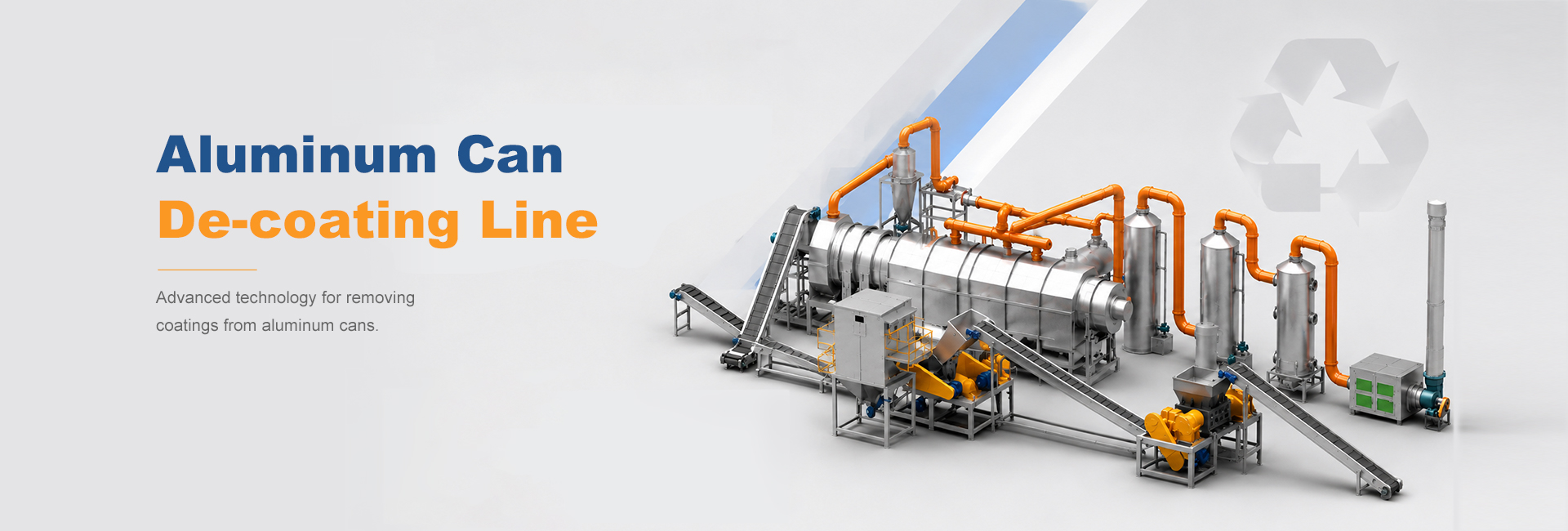
From incoming UBC bales to a controlled furnace feed
The line should be configured as a material-to-output system rather than a standalone furnace.
- 01Receiving and bale opening
- 02Shredding and size control
- 03Magnetic and eddy-current separation
- 04Controlled thermal decoating
- 05Gas treatment and heat integration
- 06Optional melting, casting and palletizing
What changes the equipment list
A reliable proposal starts with the actual scrap profile and the agreed delivery boundary.
Feedstock form
Loose cans, compacted bales, mixed packaging scrap, painted profiles and oily turnings require different opening, feeding and separation arrangements.
Coating and contamination
Paint, ink, lacquer, polymer film, յուղ, խոնավություն, iron and non-metallic contamination influence residence time, gas handling and downstream metal cleaning.
Downstream route
Decoated scrap may be sold, remelted on site or integrated with refining, casting and automatic stacking. Each route changes utilities and layout.
Environmental boundary
The off-gas train must be selected against the coating chemistry, local permit basis, fuel system and required monitoring points.
Design decisions that protect metal value and operating stability
Published figures are planning references and require project confirmation. Representative feedstock testing and a documented acceptance basis are required.
Atmosphere control
Limit uncontrolled air ingress and monitor the thermal environment to reduce oxidation risk and maintain repeatable coating removal.
Material balance
Record incoming scrap, separated contaminants, decoated aluminum, residues and optional molten-metal output.
Heat integration
Evaluate recovered process gas and hot exhaust as project energy streams only after their composition and stability are understood.
Acceptance plan
Agree sampling, test method, run duration, product cleanliness, emissions boundary and utility conditions before commercial acceptance.
See the connected equipment boundary.
Reference visuals support early layout discussion. Final equipment, arrangement and interfaces are confirmed from the project material and site.
Թարգմանեք նախագծի փաստերը սարքավորումների ցանկի մեջ.
Այս հղման մատրիցը ցույց է տալիս որոշման տրամաբանությունը. Վերջնական քանակություններ, մոդելները և միջերեսները պատկանում են հաստատված նախագծի առաջարկին.
| Համակարգի բլոկ | Տիպիկ շրջանակ | Կազմաձևման հիմքը |
|---|---|---|
| Material preparation | Bale opening, shredding, sizing and controlled transfer | Scrap form, density and required furnace feed |
| Separation | Magnetic, eddy-current and manual or sensor-based quality control | Iron, non-ferrous attachments and non-metallic contamination |
| Thermal section | Controlled decoating reactor, seals, heating and discharge | Coating load, residence basis and oxidation control |
| Environmental section | Gas combustion or oxidation, particulate and polishing stages | Coating chemistry and local emissions boundary |
| Downstream metal | Cooling, պահեստավորում, optional melting, casting and palletizing | Target product and agreed delivery scope |
Առաջարկեք նախագիծը միայն այն դեպքում, երբ առկա են անհրաժեշտ ապացույցները.
Յուրաքանչյուր դարպաս հաճախորդի տեղեկատվությունը վերածում է սահմանված տեխնիկական կամ առևտրային արդյունքի՝ հաջորդ որոշման համար.
Scrap profile
Confirm scrap category, coating, oils, attachments and incoming form.
ԱրդյունքRepresentative scrap and contamination recordRoute definition
Define preparation, բաժանում, decoating and downstream metal boundary.
ԱրդյունքAgreed material-to-product flowEnvironmental basis
Identify coating chemistry, off-gas, residue and local test requirements.
ԱրդյունքControl and monitoring registerAcceptance plan
Agree tested feed, sampling, stable run and downstream quality checks.
ԱրդյունքMeasurable project acceptance sheetՀարցեր, որոնք պետք է լուծել նախքան կազմաձևումը.
Պատասխանները սահմանում են ինժեներական սահմանը; դրանք չեն փոխարինում նյութի ներկայացուցչական փորձարկումը կամ տեղական համապատասխանության ստուգումը.
What information is required to configure an aluminum decoating line?
Provide the scrap category, coating or oil condition, bale or particle dimensions, աղտոտվածություն, հասանելի ծավալը, downstream metal route, site utilities and local environmental basis.
Can one standard line process every type of aluminum scrap?
Ոչ. UBC բալաներ, painted profiles, automotive scrap and oily turnings can require different opening, բաժանում, feeding, thermal and gas-treatment arrangements.
Is melting and ingot casting always included?
Ոչ. The project can stop at cleaned scrap or include melting, refining, casting and palletizing when those interfaces are part of the agreed scope.
How should project acceptance be defined?
Acceptance should state the tested feedstock, sampling method, stable operating period, material balance, product-cleanliness basis, utility conditions and environmental measurement boundary.
Նախքան սարքավորում ընտրելը սահմանեք նյութը.
Կիսվեք ներկայացուցչական նյութի նկարագրությամբ, հասանելի ծավալը, կայքի կարգավիճակը և թիրախային արդյունքները. YUSHUNXIN-ը կօգտագործի այդ փաստերը՝ նախապատրաստելու գործընթացի սահմանների և կազմաձևման համապատասխան քննարկումը.


