
S1: Metallum Industrial Decoating & Energy-saving liquatio Integration
nostrum UBC (Used Potus Can) systema decoating directe integrat cum aluminio fornacibus liquefactis, creando inconsutilem clausis, loop processus. Sublatis coatings et contaminantium ante liquefactionem, systema maximizes metallum recuperatio rates dum reducendo industria consummatio per 15-30%. Decoating liquefactionem nexus eliminat duplex pertractatio, oxidatio Regium damna, aluminium output altiorem-qualis applicationes pro amni.
Integrated Scelerisque Efficiency
UBC delacquering connexus cum fornace liquescens reducit Gas consummationem per 15-30%. Systema decoating directe integrat cum fornace liquescens calor systematis recuperationis exhaurit, creando clausa, loop scelerisque cursus. Vapores calidorum e fornace liquescentis prae-calefaci cubiculi delicati, dum mundus, decocta UBC intrat fornacem ad caliditatem elevatam - reducendo energiam ad liquefactionem requisitam. Haec copulatio scelerisque necessitatem turibularum auxiliariorum in scaena delacquentis excludit et altiore naturali gasi consummationis per processum catenam demittit..
Build the decoating line around the incoming aluminum scrap.
A connected project can combine size reduction, ferrous and non-ferrous separation, controlled thermal decoating, off-gas management, melting and ingot handling. The final scope depends on the coating system, scrap density, contamination and downstream metal specification.
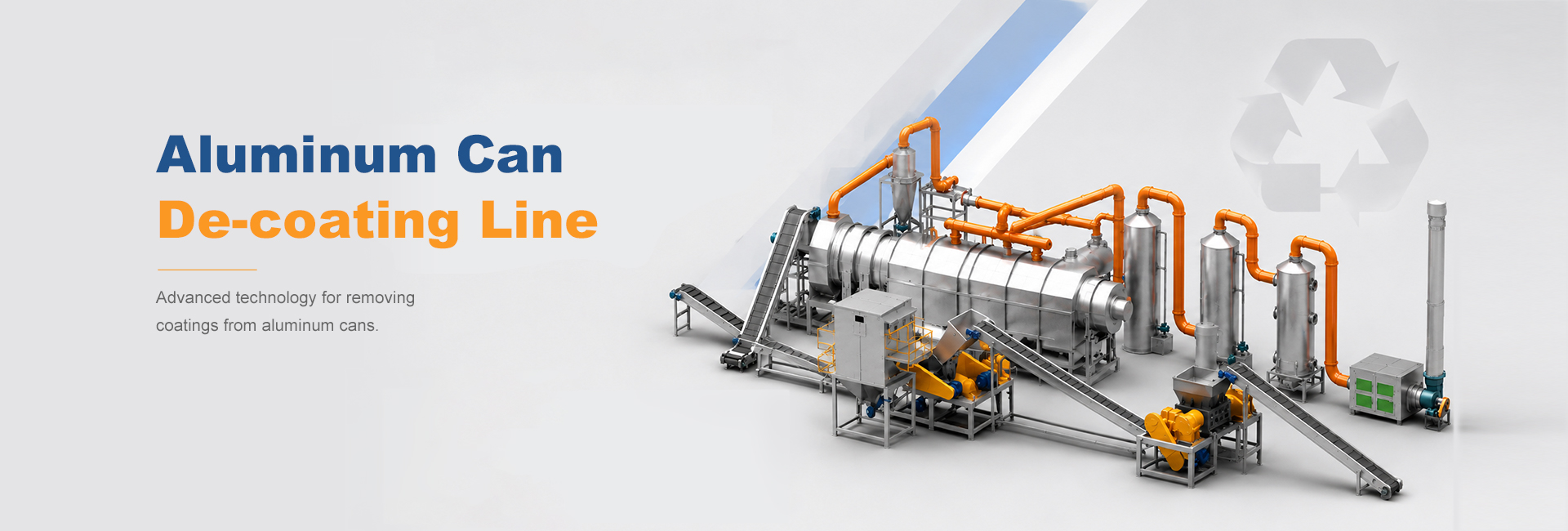
From incoming UBC bales to a controlled furnace feed
The line should be configured as a material-to-output system rather than a standalone furnace.
- 01Receiving and bale opening
- 02Shredding and size control
- 03Magnetic and eddy-current separation
- 04Controlled thermal decoating
- 05Gas treatment and heat integration
- 06Optional melting, casting and palletizing
What changes the equipment list
A reliable proposal starts with the actual scrap profile and the agreed delivery boundary.
Feedstock form
Loose cans, compacted bales, mixed packaging scrap, painted profiles and oily turnings require different opening, feeding and separation arrangements.
Coating and contamination
Paint, ink, lacquer, polymer film, oleum, humorem, iron and non-metallic contamination influence residence time, gas handling and downstream metal cleaning.
Downstream route
Decoated scrap may be sold, remelted on site or integrated with refining, casting and automatic stacking. Each route changes utilities and layout.
Environmental boundary
The off-gas train must be selected against the coating chemistry, local permit basis, fuel system and required monitoring points.
Design decisions that protect metal value and operating stability
Published figures are planning references and require project confirmation. Representative feedstock testing and a documented acceptance basis are required.
Atmosphere control
Limit uncontrolled air ingress and monitor the thermal environment to reduce oxidation risk and maintain repeatable coating removal.
Material balance
Record incoming scrap, separated contaminants, decoated aluminum, residues and optional molten-metal output.
Heat integration
Evaluate recovered process gas and hot exhaust as project energy streams only after their composition and stability are understood.
Acceptance plan
Agree sampling, test method, run duration, product cleanliness, emissions boundary and utility conditions before commercial acceptance.
See the connected equipment boundary.
Reference visuals support early layout discussion. Final equipment, arrangement and interfaces are confirmed from the project material and site.
Translate project facts into an equipment list.
This reference matrix shows the decision logic. Final quantities, models and interfaces belong in the approved project proposal.
| System block | Typical scope | Configuration basis |
|---|---|---|
| Material preparation | Bale opening, shredding, sizing and controlled transfer | Scrap form, density and required furnace feed |
| Separatio | Magnetic, eddy-current and manual or sensor-based quality control | Iron, non-ferrous attachments and non-metallic contamination |
| Thermal section | Controlled decoating reactor, seals, heating and discharge | Coating load, residence basis and oxidation control |
| Environmental section | Gas combustion or oxidation, particulate and polishing stages | Coating chemistry and local emissions boundary |
| Downstream metal | Refrigerium, storage, optional melting, casting and palletizing | Target product and agreed delivery scope |
Advance the project only when the required evidence is available.
Each gate turns customer information into a defined technical or commercial output for the next decision.
Scrap profile
Confirm scrap category, coating, oils, attachments and incoming form.
OutputRepresentative scrap and contamination recordRoute definition
Define preparation, separatio, decoating and downstream metal boundary.
OutputAgreed material-to-product flowEnvironmental basis
Identify coating chemistry, off-gas, residue and local test requirements.
OutputControl and monitoring registerAcceptance plan
Agree tested feed, sampling, stable run and downstream quality checks.
OutputMeasurable project acceptance sheetQuestions to resolve before configuration.
Answers define the engineering boundary; they do not replace representative material testing or local compliance review.
What information is required to configure an aluminum decoating line?
Provide the scrap category, coating or oil condition, bale or particle dimensions, contamination, available volume, downstream metal route, site utilities and local environmental basis.
Can one standard line process every type of aluminum scrap?
No. UBC bales, painted profiles, automotive scrap and oily turnings can require different opening, separatio, feeding, thermal and gas-treatment arrangements.
Is melting and ingot casting always included?
No. The project can stop at cleaned scrap or include melting, refining, casting and palletizing when those interfaces are part of the agreed scope.
How should project acceptance be defined?
Acceptance should state the tested feedstock, sampling method, stable operating period, material balance, product-cleanliness basis, utility conditions and environmental measurement boundary.
Define the material before selecting the equipment.
Share a representative material description, available volume, site status and target outputs. YUSHUNXIN will use those facts to prepare the relevant process boundary and configuration discussion.


