
Sa mabilis na pag-unlad ng industriya ng photovoltaic, isang malaking bilang ng mga photovoltaic module ang aabot sa katapusan ng kanilang buhay ng serbisyo sa loob ng susunod na dalawampu hanggang tatlumpung taon. Bilang pangunahing produkto sa kasalukuyang mga aplikasyon ng photovoltaic, Ang mga single-glass module ay sumasakop sa isang makabuluhang proporsyon. Para sa mga katangian ng istruktura ng single-glass modules, YUSHUNXIN nagbibigay ng single-glass photovoltaic panels disposal project na nagbabalanse sa kaligtasan sa kapaligiran, mga resource recovery rate at economic viability.
Ano ang istraktura ng isang single-glass photovoltaic panel?


Ang karaniwang istraktura ng isang single-glass photovoltaic module ay binubuo ng: tempered glass, EVA, solar cells, EVA, backsheet, frame ng aluminyo, at junction box. Ang mga karaniwang sukat para sa mga single-glass na PV panel ay 1650mm × 992mm × 40mm, na angkop para sa karamihan ng mga photovoltaic system.
Mga Target sa Pag-recycle para sa Single-Glass Photovoltaic Panel Disposal Project
Pangunahing kasama ang mga target sa pag-recycle para sa single-glass photovoltaic panel disposal project:
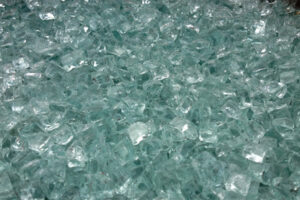
Accounting para sa humigit-kumulang 70% ng kabuuang timbang ng module, ang recycled glass ay makukuha sa architectural glass, mga materyales sa paggawa ng kalsada, o paggawa ng glass fiber.
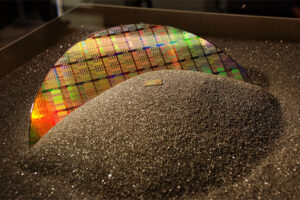
Pagkatapos mag-recycle, nililinis at pinoproseso ng proseso ang mga ito para maging na-reclaim na materyal na silikon. Kasunod ng paglilinis, maaari mong muling gamitin ang materyal na ito sa paggawa ng solar cell o sa industriya ng semiconductor.

Maaari mong direktang muling tunawin at gamitin muli aluminyo mga frame, mga wire na tanso, pilak na paste, at iba pang mga metal, na nagbibigay ng mataas na circular economy na halaga.
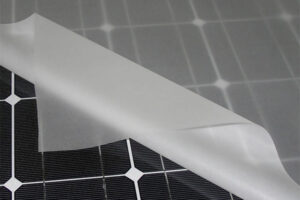
Ang mga plastik na EVA at backsheet ay maaaring magsilbi bilang panggatong o kemikal na hilaw na materyales, sa gayon ay pinahuhusay ang pangkalahatang kahusayan sa paggamit ng mapagkukunan.
Ano ang proseso para sa pag-recycle ng mga single-glass photovoltaic panel?
Para sa mga istrukturang katangian ng single-glass photovoltaic modules, ang single-glass photovoltaic panel disposal project ay gumagamit ng mga awtomatikong kagamitan upang makamit ang isang mahusay, kapaligiran friendly, at cost-effective na proseso ng pag-recycle ng panel ng PV.
Ano ang mga pangunahing configuration ng kagamitan para sa single-glass photovoltaic panel disposal project?
Ang single-glass photovoltaic panel recycling production line na aming idinisenyo ay may kapasidad na 500-1000 kg/h. Maaari rin naming ipasadya ang linya ng produksyon ayon sa mga kinakailangan ng customer. Nasa ibaba ang mga pangunahing kagamitan sa proseso ng single-glass solar recycling. Maaari ka ring mag-click upang matuto nang higit pa tungkol sa gastos ng solar panel recycling machine.

Frame Removal Machine
Ang photovoltaic panel frame removal machine ay partikular na idinisenyo para sa pag-recycle at muling paggamit ng mga waste photovoltaic panel.. Ang kagamitang ito ay mahusay na naghihiwalay sa mga frame mula sa mga module, na nagbibigay-daan sa pag-recycle ng mga materyales ng photovoltaic panel.

Mga kagamitan sa paghihiwalay ng gravity
Sinasala ng airflow density separator ang mga materyales sa lupa sa pamamagitan ng density-based sieving, na naghihiwalay sa tanso, silikon na pulbos, at plastik. Nagtatampok ang kagamitan ng matatag na pagganap, high efficiency, and low energy consumption.

Makina sa Pag-alis ng Salamin
Ang kagamitang ito ay gumagamit ng advanced na mechanical separation technology upang mabilis at ligtas na paghiwalayin ang salamin sa mga photovoltaic panel, creating separated fractions for testing and a defined downstream route.

Electronic Waste Shredder
This shredder mainly serves the preliminary crushing and recycling of photovoltaic panels, featuring stable crushing performance and high efficiency.

Electrostatic Separator
The electrostatic separator is suitable for sorting mixed materials of varying densities that are difficult to separate by flotation methods. It efficiently separates plastics, silikon na pulbos, and metal mixtures.
What are the advantages of the single-glass photovoltaic panel disposal project?
In comparison to traditional processes, the Solusyon sa proyekto ng solar panel pyrolysis achieves comprehensive improvements in recovery rate, energy consumption, economic efficiency, and automation levels. The following are the specific advantages.
Kung gusto mong matuto nang higit pa tungkol sa double-glass photovoltaic panels recycling solution, mangyaring huwag mag-atubiling makipag-ugnay sa amin.
Single-glass mechanical
Use where frame and front-glass removal can be engineered before dry liberation and classification.
Incoming material
Single-glass crystalline-silicon module mix, dimensions, intact/broken share, frame and junction-box condition.
Expected outputs
Separated frame and glass plus classified copper-, silikon- and polymer-bearing fractions.
Project interfaces
Safe receiving, glass handling, dust collection, power, compressed air, wear-parts access and product packing.
Use only the row matching the selected process boundary.
| Catalogue reference | Capacity | Power | Physical envelope | Included boundary |
|---|---|---|---|---|
| YSX-M1000Single-glass mechanical | 1 t/h | 277.6 kW | 36 × 6 × 6 m | Integrated mechanical line |
Configuration rule: catalogue capacity is a planning reference. Stable throughput, installed/operating power, footprint, recovery, purity, emissions and utility demand require the approved equipment list, representative material and written acceptance conditions.
Information required before configuration and quotation
- Representative material photos, specifications and available sample.
- Required capacity plus hours per shift, shifts per day and operating days.
- Mga target na output, sampling method and downstream receiver requirements.
- Site country, available power, fuel, tubig, compressed air and building limits.
- Local environmental, fire, storage and occupational-safety requirements.
- Requested delivery boundary: kagamitan, layout, installation, commissioning and training.


