
With the rapid development of the photovoltaic industry, a large number of photovoltaic modules will reach the end of their service life within the next twenty to thirty years. As the mainstream product in current photovoltaic applications, single-glass modules occupy a significant proportion. For the structural characteristics of single-glass modules, YUSHUNXIN provides a single-glass photovoltaic panels disposal project that balances environmental safety, resource recovery rates and economic viability.
What is the structure of a single-glass photovoltaic panel?


The typical structure of a single-glass photovoltaic module consists of: tempered glass, EVA, solar cells, EVA, backsheet, aluminum frame, and junction box. Common dimensions for single-glass PV panels are 1650mm × 992mm × 40mm, which are suitable for most photovoltaic systems.
Recycling Targets for Single-Glass Photovoltaic Panel Disposal Project
The recycling targets for single-glass photovoltaic panel disposal project primarily include:
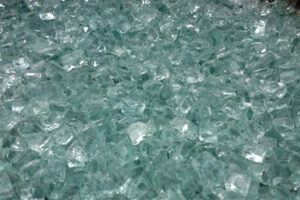
Accounting for approximately 70% of the total module weight, recycled glass is available in architectural glass, road construction materials, or glass fiber production.
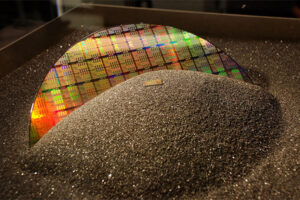
Despois da reciclaxe, the process purifies and reprocesses them into reclaimed silicon material. Following purification, you can reuse this material in solar cell production or the semiconductor industry.

You can directly re-melt and reuse aluminio frames, copper wires, silver paste, and other metals, which provides high circular economy value.
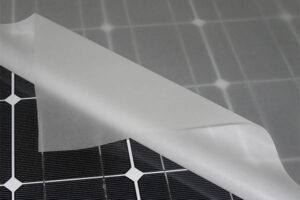
EVA and backsheet plastics can serve as fuel or chemical raw materials, thereby enhancing overall resource utilization efficiency.
What is the process for recycling single-glass photovoltaic panels?
For the structural characteristics of single-glass photovoltaic modules, the single-glass photovoltaic panel disposal project employs automatic equipment to achieve an efficient, environmentally friendly, and cost-effective PV panel recycling process.
What are the primary equipment configurations for single-glass photovoltaic panel disposal project?
The single-glass photovoltaic panel recycling production line we designed has a capacity of 500-1000 kg/h. We can also customize the production line according to customer requirements. Below are the main equipment in the single-glass solar recycling process. You can also click to learn more about the solar panel recycling machine cost.

Frame Removal Machine
The photovoltaic panel frame removal machine is specifically designed for the recycling and reuse of waste photovoltaic panels. This equipment efficiently separates the frames from the modules, which enables the recycling of photovoltaic panel materials.

Gravity separation equipment
The airflow density separator screens ground materials through density-based sieving, which separates copper, silicon powder, and plastic. The equipment features stable performance, high efficiency, and low energy consumption.

Glass Removal Machine
This equipment employs advanced mechanical separation technology to rapidly and safely separate glass from photovoltaic panels, creating separated fractions for testing and a defined downstream route.

Trituradora electrónica de residuos
This shredder mainly serves the preliminary crushing and recycling of photovoltaic panels, featuring stable crushing performance and high efficiency.

Separador electrostático
The electrostatic separator is suitable for sorting mixed materials of varying densities that are difficult to separate by flotation methods. It efficiently separates plastics, silicon powder, and metal mixtures.
What are the advantages of the single-glass photovoltaic panel disposal project?
In comparison to traditional processes, o solución do proxecto de pirólise de paneis solares achieves comprehensive improvements in recovery rate, energy consumption, economic efficiency, and automation levels. The following are the specific advantages.
If you would like to learn more about the double-glass photovoltaic panels recycling solution, please feel free to contact us.
Single-glass mechanical
Use where frame and front-glass removal can be engineered before dry liberation and classification.
Material entrante
Single-glass crystalline-silicon module mix, dimensions, intact/broken share, frame and junction-box condition.
Saídas esperadas
Separated frame and glass plus classified copper-, silicon- and polymer-bearing fractions.
Interfaces do proxecto
Safe receiving, glass handling, dust collection, poder, compressed air, wear-parts access and product packing.
Use só a fila que coincida co límite do proceso seleccionado.
| Referencia do catálogo | Capacidade | Poder | Envoltura física | Límite incluído |
|---|---|---|---|---|
| YSX-M1000Single-glass mechanical | 1 t/h | 277.6 kW | 36 × 6 × 6 m | Integrated mechanical line |
Regra de configuración: a capacidade do catálogo é unha referencia de planificación. Rendemento estable, potencia instalada/operativa, pegada, recuperación, pureza, as emisións e a demanda dos servizos públicos requiren a lista de equipos aprobados, material representativo e condicións de aceptación por escrito.
Información necesaria antes da configuración e cotización
- Fotografías de materiais representativos, especificacións e mostra dispoñible.
- Capacidade necesaria máis horas por quenda, quendas por día e días de funcionamento.
- Saídas obxectivo, método de mostraxe e requisitos do receptor posterior.
- País do sitio, potencia dispoñible, combustible, auga, aire comprimido e límites de edificación.
- Ambiental local, lume, requisitos de almacenamento e seguridade laboral.
- Límite de entrega solicitado: equipos, disposición, instalación, posta en servizo e formación.


