
With the rapid development of the photovoltaic industry, a large number of photovoltaic modules will reach the end of their service life within the next twenty to thirty years. As the mainstream product in current photovoltaic applications, single-glass modules occupy a significant proportion. For the structural characteristics of single-glass modules, ยู่ชุนซิน provides a single-glass photovoltaic panels disposal project that balances environmental safety, resource recovery rates and economic viability.
What is the structure of a single-glass photovoltaic panel?


The typical structure of a single-glass photovoltaic module consists of: tempered glass, อีวา, เซลล์แสงอาทิตย์, อีวา, backsheet, aluminum frame, and junction box. Common dimensions for single-glass PV panels are 1650mm × 992mm × 40mm, which are suitable for most photovoltaic systems.
Recycling Targets for Single-Glass Photovoltaic Panel Disposal Project
The recycling targets for single-glass photovoltaic panel disposal project primarily include:
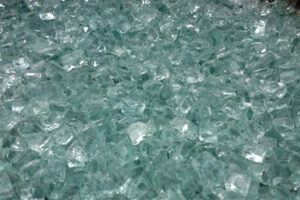
การบัญชีประมาณ 70% of the total module weight, recycled glass is available in architectural glass, road construction materials, or glass fiber production.
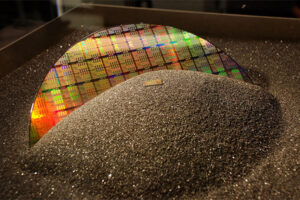
After recycling, the process purifies and reprocesses them into reclaimed silicon material. Following purification, you can reuse this material in solar cell production or the semiconductor industry.

You can directly re-melt and reuse อลูมิเนียม frames, สายทองแดง, วางเงิน, and other metals, which provides high circular economy value.
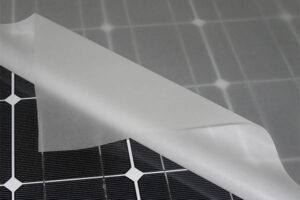
EVA and backsheet plastics can serve as fuel or chemical raw materials, thereby enhancing overall resource utilization efficiency.
What is the process for recycling single-glass photovoltaic panels?
For the structural characteristics of single-glass photovoltaic modules, the single-glass photovoltaic panel disposal project employs automatic equipment to achieve an efficient, environmentally friendly, and cost-effective PV panel recycling process.
What are the primary equipment configurations for single-glass photovoltaic panel disposal project?
The single-glass photovoltaic panel recycling production line we designed has a capacity of 500-1000 กก./ชม. นอกจากนี้เรายังสามารถปรับแต่งสายการผลิตได้ตามความต้องการของลูกค้า. Below are the main equipment in the single-glass solar recycling process. คุณยังสามารถคลิกเพื่อเรียนรู้เพิ่มเติมเกี่ยวกับ ต้นทุนเครื่องรีไซเคิลแผงโซลาร์เซลล์.

เครื่องถอดเฟรม
เครื่องถอดกรอบแผงเซลล์แสงอาทิตย์ได้รับการออกแบบมาโดยเฉพาะสำหรับการรีไซเคิลและการนำแผงเซลล์แสงอาทิตย์ที่เป็นขยะกลับมาใช้ใหม่. อุปกรณ์นี้แยกเฟรมออกจากโมดูลได้อย่างมีประสิทธิภาพ, ซึ่งช่วยให้สามารถรีไซเคิลวัสดุแผงเซลล์แสงอาทิตย์ได้.

อุปกรณ์แยกแรงโน้มถ่วง
The airflow density separator screens ground materials through density-based sieving, which separates copper, ผงซิลิกอน, และพลาสติก. The equipment features stable performance, high efficiency, and low energy consumption.

เครื่องถอดกระจก
อุปกรณ์นี้ใช้เทคโนโลยีการแยกเชิงกลขั้นสูงเพื่อแยกกระจกออกจากแผงเซลล์แสงอาทิตย์อย่างรวดเร็วและปลอดภัย, การสร้างเศษส่วนที่แยกจากกันสำหรับการทดสอบและการกำหนดเส้นทางดาวน์สตรีม.

เครื่องทำลายขยะอิเล็กทรอนิกส์
This shredder mainly serves the preliminary crushing and recycling of photovoltaic panels, featuring stable crushing performance and high efficiency.

เครื่องแยกไฟฟ้าสถิต
The electrostatic separator is suitable for sorting mixed materials of varying densities that are difficult to separate by flotation methods. It efficiently separates plastics, ผงซิลิกอน, and metal mixtures.
What are the advantages of the single-glass photovoltaic panel disposal project?
In comparison to traditional processes, ที่ โซลูชันโครงการไพโรไลซิสแผงโซลาร์เซลล์ achieves comprehensive improvements in recovery rate, energy consumption, economic efficiency, and automation levels. The following are the specific advantages.
หากคุณต้องการเรียนรู้เพิ่มเติมเกี่ยวกับ double-glass photovoltaic panels recycling solution, โปรดอย่าลังเลที่จะติดต่อเรา.
กลไกกระจกเดียว
Use where frame and front-glass removal can be engineered before dry liberation and classification.
วัสดุที่เข้ามา
Single-glass crystalline-silicon module mix, dimensions, intact/broken share, frame and junction-box condition.
ผลลัพธ์ที่คาดหวัง
Separated frame and glass plus classified copper-, ซิลิคอน- and polymer-bearing fractions.
อินเทอร์เฟซโครงการ
Safe receiving, glass handling, dust collection, พลัง, compressed air, wear-parts access and product packing.
ใช้เฉพาะแถวที่ตรงกับขอบเขตกระบวนการที่เลือก.
| การอ้างอิงแคตตาล็อก | ความจุ | พลัง | ซองจดหมายทางกายภาพ | รวมขอบเขตแล้ว |
|---|---|---|---|---|
| YSX-M1000กลไกกระจกเดียว | 1 ไทย | 277.6 กิโลวัตต์ | 36 × 6 × 6 ม | สายเครื่องกลแบบบูรณาการ |
กฎการกำหนดค่า: ความจุแค็ตตาล็อกเป็นข้อมูลอ้างอิงการวางแผน. ปริมาณงานที่มั่นคง, กำลังติดตั้ง/กำลังใช้งาน, รอยเท้า, การกู้คืน, ความบริสุทธิ์, ความต้องการการปล่อยก๊าซเรือนกระจกและสาธารณูปโภคจำเป็นต้องมีรายการอุปกรณ์ที่ได้รับอนุมัติ, วัสดุตัวแทนและเงื่อนไขการยอมรับเป็นลายลักษณ์อักษร.
ข้อมูลที่จำเป็นก่อนการกำหนดค่าและใบเสนอราคา
- ภาพถ่ายวัสดุตัวแทน, ข้อกำหนดและตัวอย่างที่มีอยู่.
- กำลังการผลิตที่ต้องการบวกชั่วโมงต่อกะ, กะต่อวันและวันทำการ.
- ผลลัพธ์เป้าหมาย, วิธีการสุ่มตัวอย่างและข้อกำหนดตัวรับปลายทาง.
- ประเทศของไซต์, พลังงานที่มีอยู่, เชื้อเพลิง, น้ำ, ขีดจำกัดของอากาศอัดและอาคาร.
- สิ่งแวดล้อมในท้องถิ่น, ไฟ, ข้อกำหนดในการจัดเก็บและความปลอดภัยในการทำงาน.
- ขอบเขตการจัดส่งที่ร้องขอ: อุปกรณ์, เค้าโครง, การติดตั้ง, การว่าจ้างและการฝึกอบรม.


