
With the rapid development of the photovoltaic industry, a large number of photovoltaic modules will reach the end of their service life within the next twenty to thirty years. As the mainstream product in current photovoltaic applications, single-glass modules occupy a significant proportion. For the structural characteristics of single-glass modules, ЈУШУНКСИН provides a single-glass photovoltaic panels disposal project that balances environmental safety, resource recovery rates and economic viability.
What is the structure of a single-glass photovoltaic panel?


The typical structure of a single-glass photovoltaic module consists of: tempered glass, EVA, solar cells, EVA, backsheet, aluminum frame, and junction box. Common dimensions for single-glass PV panels are 1650mm × 992mm × 40mm, which are suitable for most photovoltaic systems.
Recycling Targets for Single-Glass Photovoltaic Panel Disposal Project
The recycling targets for single-glass photovoltaic panel disposal project primarily include:
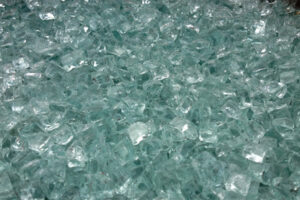
Accounting for approximately 70% of the total module weight, recycled glass is available in architectural glass, road construction materials, or glass fiber production.
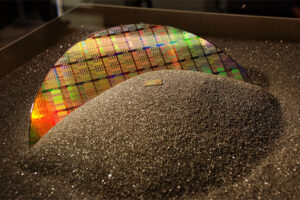
After recycling, the process purifies and reprocesses them into reclaimed silicon material. Following purification, you can reuse this material in solar cell production or the semiconductor industry.

You can directly re-melt and reuse aluminum frames, copper wires, silver paste, and other metals, which provides high circular economy value.
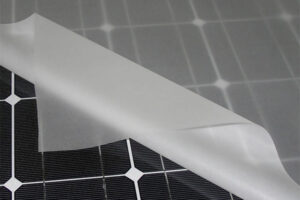
EVA and backsheet plastics can serve as fuel or chemical raw materials, thereby enhancing overall resource utilization efficiency.
What is the process for recycling single-glass photovoltaic panels?
For the structural characteristics of single-glass photovoltaic modules, the single-glass photovoltaic panel disposal project employs automatic equipment to achieve an efficient, environmentally friendly, and cost-effective PV panel recycling process.
What are the primary equipment configurations for single-glass photovoltaic panel disposal project?
The single-glass photovoltaic panel recycling production line we designed has a capacity of 500-1000 kg/h. We can also customize the production line according to customer requirements. Below are the main equipment in the single-glass solar recycling process. You can also click to learn more about the цена машина за рециклирање на соларни панели.

Машина за отстранување рамка
The photovoltaic panel frame removal machine is specifically designed for the recycling and reuse of waste photovoltaic panels. Оваа опрема ефикасно ги одвојува рамките од модулите, што овозможува рециклирање на материјали од фотоволтаични панели.

Опрема за одвојување на гравитацијата
Сепараторот за густина на протокот на воздух ги прикажува заземјените материјали преку просејување засновано на густина, што го одвојува бакарот, силициум во прав, и пластика. Опремата има стабилни перформанси, висока ефикасност, и мала потрошувачка на енергија.

Машина за отстранување стакло
Оваа опрема користи напредна механичка технологија за одвојување за брзо и безбедно одвојување стакло од фотоволтаични панели, creating separated fractions for testing and a defined downstream route.

Електронски уништувач на отпад
This shredder mainly serves the preliminary crushing and recycling of photovoltaic panels, featuring stable crushing performance and high efficiency.

Електростатски сепаратор
Електростатичкиот сепаратор е погоден за сортирање мешани материјали со различна густина кои тешко се одвојуваат со методи на флотација. Ефикасно ја одвојува пластиката, силициум во прав, и метални мешавини.
What are the advantages of the single-glass photovoltaic panel disposal project?
In comparison to traditional processes, the Проектно решение за пиролиза на соларни панели achieves comprehensive improvements in recovery rate, energy consumption, economic efficiency, and automation levels. The following are the specific advantages.
If you would like to learn more about the раствор за рециклирање на фотоволтаични панели со двојно стакло, please feel free to contact us.
Single-glass mechanical
Use where frame and front-glass removal can be engineered before dry liberation and classification.
Дојдовен материјал
Single-glass crystalline-silicon module mix, dimensions, intact/broken share, frame and junction-box condition.
Очекувани резултати
Separated frame and glass plus classified copper-, силикон- and polymer-bearing fractions.
Проектни интерфејси
Safe receiving, glass handling, dust collection, power, compressed air, wear-parts access and product packing.
Користете го само редот што одговара на избраната граница на процесот.
| Референца на каталогот | Капацитет | Моќ | Физички плик | Вклучена граница |
|---|---|---|---|---|
| YSX-M1000Single-glass mechanical | 1 t/h | 277.6 kW | 36 × 6 × 6 m | Integrated mechanical line |
Правило за конфигурација: Капацитетот на каталогот е референца за планирање. Стабилна пропусност, инсталирана/оперативна моќност, отпечаток, закрепнување, чистота, емисиите и побарувачката за комунални услуги бараат список на одобрена опрема, репрезентативен материјал и писмени услови за прифаќање.
Потребни се информации пред конфигурацијата и понудата
- Репрезентативни материјали фотографии, спецификации и достапен примерок.
- Потребен капацитет плус часови по смена, смени на ден и работни денови.
- Целни излези, методот на земање примероци и барањата на низводниот приемник.
- Земја на локацијата, достапна моќност, гориво, вода, компримиран воздух и граници на зградата.
- Локална животна средина, оган, складирање и барања за безбедност при работа.
- Побарана граница за испорака: опрема, распоред, инсталација, пуштање во работа и обука.


