
With the rapid development of the photovoltaic industry, a large number of photovoltaic modules will reach the end of their service life within the next twenty to thirty years. As the mainstream product in current photovoltaic applications, single-glass modules occupy a significant proportion. For the structural characteristics of single-glass modules, युशुन्क्सिन provides a single-glass photovoltaic panels disposal project that balances environmental safety, resource recovery rates and economic viability.
What is the structure of a single-glass photovoltaic panel?


The typical structure of a single-glass photovoltaic module consists of: tempered glass, EVA, सौर सेल, EVA, backsheet, aluminum frame, and junction box. Common dimensions for single-glass PV panels are 1650mm × 992mm × 40mm, which are suitable for most photovoltaic systems.
Recycling Targets for Single-Glass Photovoltaic Panel Disposal Project
The recycling targets for single-glass photovoltaic panel disposal project primarily include:
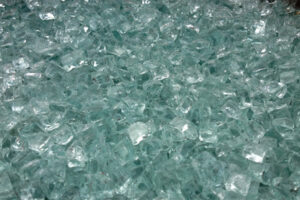
लगभग के लिए लेखांकन 70% of the total module weight, recycled glass is available in architectural glass, road construction materials, or glass fiber production.
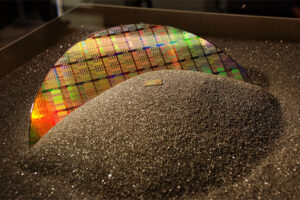
After recycling, the process purifies and reprocesses them into reclaimed silicon material. Following purification, you can reuse this material in solar cell production or the semiconductor industry.

You can directly re-melt and reuse अल्युमीनियम frames, copper wires, silver paste, and other metals, which provides high circular economy value.
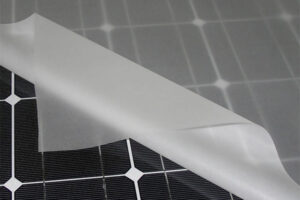
EVA and backsheet plastics can serve as fuel or chemical raw materials, thereby enhancing overall resource utilization efficiency.
What is the process for recycling single-glass photovoltaic panels?
For the structural characteristics of single-glass photovoltaic modules, the single-glass photovoltaic panel disposal project employs automatic equipment to achieve an efficient, environmentally friendly, and cost-effective PV panel recycling process.
What are the primary equipment configurations for single-glass photovoltaic panel disposal project?
The single-glass photovoltaic panel recycling production line we designed has a capacity of 500-1000 किग्रा/घंटा. We can also customize the production line according to customer requirements. Below are the main equipment in the single-glass solar recycling process. You can also click to learn more about the सौर पैनल रीसाइक्लिंग मशीन की लागत.

Frame Removal Machine
The photovoltaic panel frame removal machine is specifically designed for the recycling and reuse of waste photovoltaic panels. This equipment efficiently separates the frames from the modules, which enables the recycling of photovoltaic panel materials.

गुरुत्वाकर्षण पृथक्करण उपकरण
The airflow density separator screens ground materials through density-based sieving, which separates copper, silicon powder, and plastic. The equipment features stable performance, high efficiency, and low energy consumption.

Glass Removal Machine
This equipment employs advanced mechanical separation technology to rapidly and safely separate glass from photovoltaic panels, creating separated fractions for testing and a defined downstream route.

इलेक्ट्रॉनिक अपशिष्ट श्रेडर
This shredder mainly serves the preliminary crushing and recycling of photovoltaic panels, featuring stable crushing performance and high efficiency.

इलेक्ट्रोस्टैटिक विभाजक
The electrostatic separator is suitable for sorting mixed materials of varying densities that are difficult to separate by flotation methods. It efficiently separates plastics, silicon powder, and metal mixtures.
What are the advantages of the single-glass photovoltaic panel disposal project?
In comparison to traditional processes, the सौर पैनल पायरोलिसिस परियोजना समाधान achieves comprehensive improvements in recovery rate, ऊर्जा की खपत, economic efficiency, and automation levels. The following are the specific advantages.
If you would like to learn more about the double-glass photovoltaic panels recycling solution, हमसे संपर्क करने के लिए कृपया स्वतंत्र महसूस करें.
Single-glass mechanical
Use where frame and front-glass removal can be engineered before dry liberation and classification.
आने वाली सामग्री
Single-glass crystalline-silicon module mix, dimensions, intact/broken share, frame and junction-box condition.
अपेक्षित आउटपुट
Separated frame and glass plus classified copper-, सिलिकॉन- and polymer-bearing fractions.
प्रोजेक्ट इंटरफ़ेस
Safe receiving, glass handling, dust collection, power, compressed air, wear-parts access and product packing.
केवल चयनित प्रक्रिया सीमा से मेल खाने वाली पंक्ति का उपयोग करें.
| कैटलॉग संदर्भ | क्षमता | शक्ति | भौतिक आवरण | शामिल सीमा |
|---|---|---|---|---|
| YSX-M1000Single-glass mechanical | 1 वां | 277.6 किलोवाट | 36 × 6 × 6 एम | Integrated mechanical line |
कॉन्फ़िगरेशन नियम: कैटलॉग क्षमता एक नियोजन संदर्भ है. स्थिर थ्रूपुट, स्थापित/परिचालन शक्ति, पदचिह्न, वसूली, पवित्रता, उत्सर्जन और उपयोगिता मांग के लिए अनुमोदित उपकरण सूची की आवश्यकता होती है, प्रतिनिधि सामग्री और लिखित स्वीकृति शर्तें.
कॉन्फ़िगरेशन और कोटेशन से पहले आवश्यक जानकारी
- प्रतिनिधि सामग्री तस्वीरें, विशिष्टताएँ और उपलब्ध नमूना.
- आवश्यक क्षमता प्लस घंटे प्रति शिफ्ट, प्रति दिन शिफ्ट और परिचालन दिवस.
- लक्ष्य आउटपुट, नमूनाकरण विधि और डाउनस्ट्रीम रिसीवर आवश्यकताएँ.
- साइट देश, उपलब्ध शक्ति, ईंधन, पानी, संपीड़ित हवा और भवन सीमाएँ.
- स्थानीय पर्यावरण, आग, भंडारण और व्यावसायिक-सुरक्षा आवश्यकताएँ.
- अनुरोधित वितरण सीमा: उपकरण, लेआउट, इंस्टालेशन, कमीशनिंग और प्रशिक्षण.


