
מיט דער גיך אַנטוויקלונג פון די פאָטאָוואָלטאַיק אינדוסטריע, אַ גרויס נומער פון פאָטאָוואָלטאַיק מאַדזשולז וועט דערגרייכן די סוף פון זייער דינסט לעבן אין די ווייַטער צוואַנציק צו דרייסיק יאָר. ווי די מיינסטרים פּראָדוקט אין קראַנט פאָטאָוואָלטאַיק אַפּלאַקיישאַנז, איין-גלאז מאַדזשולז פאַרנעמען אַ באַטייטיק פּראָפּאָרציע. פֿאַר די סטראַקטשעראַל טשאַראַקטעריסטיקס פון איין-גלאז מאַדזשולז, יושונקסין פּראָווידעס אַ איין-גלאז פאָטאָוואָלטאַיק פּאַנאַלז באַזייַטיקונג פּרויעקט וואָס באַלאַנסאַז ינווייראַנמענאַל זיכערקייַט, מיטל אָפּזוך ראַטעס און עקאָנאָמיש ווייאַבילאַטי.
וואָס איז די סטרוקטור פון אַ איין-גלאז פאָטאָוואָלטאַיק טאַפליע?


די טיפּיש סטרוקטור פון אַ איין-גלאז פאָטאָוואָלטאַיק מאָדולע באשטייט פון: טעמפּערד גלאז, EVA, solar cells, EVA, backsheet, aluminum frame, and junction box. Common dimensions for single-glass PV panels are 1650mm × 992mm × 40mm, which are suitable for most photovoltaic systems.
Recycling Targets for Single-Glass Photovoltaic Panel Disposal Project
The recycling targets for single-glass photovoltaic panel disposal project primarily include:
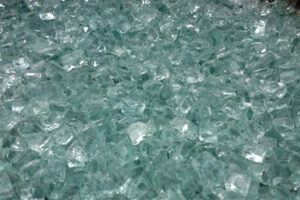
אַקאַונטינג פֿאַר בעערעך 70% of the total module weight, recycled glass is available in architectural glass, road construction materials, or glass fiber production.
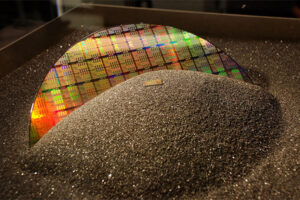
After recycling, the process purifies and reprocesses them into reclaimed silicon material. Following purification, you can reuse this material in solar cell production or the semiconductor industry.

You can directly re-melt and reuse אַלומינום frames, copper wires, זילבער פּאַפּ, and other metals, which provides high circular economy value.
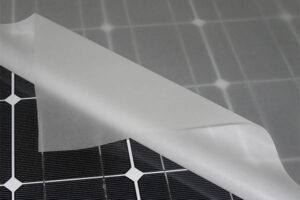
EVA and backsheet plastics can serve as fuel or chemical raw materials, thereby enhancing overall resource utilization efficiency.
What is the process for recycling single-glass photovoltaic panels?
For the structural characteristics of single-glass photovoltaic modules, the single-glass photovoltaic panel disposal project employs automatic equipment to achieve an efficient, environmentally friendly, and cost-effective PV panel recycling process.
וואָס זענען די ערשטיק ויסריכט קאַנפיגיעריישאַנז פֿאַר איין-גלאז פאָטאָוואָלטאַיק טאַפליע באַזייַטיקונג פּרויעקט?
די איין-גלאז פאָטאָוואָלטאַיק טאַפליע ריסייקלינג פּראָדוקציע שורה מיר דיזיינד האט אַ קאַפּאַציטעט פון 500-1000 קג/ה. מיר קענען אויך קאַסטאַמייז די פּראָדוקציע שורה לויט צו קונה באדערפענישן. ונטער זענען די הויפּט ויסריכט אין די איין-גלאז זונ ריסייקלינג פּראָצעס. איר קענט אויך גיט צו לערנען מער וועגן דעם זונ - טאַפליע ריסייקלינג מאַשין פּרייַז.

ראַם באַזייַטיקונג מאַשין
די פאָטאָוואָלטאַיק טאַפליע ראַם באַזייַטיקונג מאַשין איז ספּאַסיפיקלי דיזיינד פֿאַר די ריסייקלינג און רייוז פון וויסט פאָטאָוואָלטאַיק פּאַנאַלז. דעם עקוויפּמענט יפישאַנטלי סעפּערייץ די ראָמען פון די מאַדזשולז, וואָס ינייבאַלז די ריסייקלינג פון פאָטאָוואָלטאַיק טאַפליע מאַטעריאַלס.

עקוויפּמענט פֿאַר גראַוויטי צעשיידונג
The airflow density separator screens ground materials through density-based sieving, which separates copper, silicon powder, and plastic. The equipment features stable performance, high efficiency, and low energy consumption.

Glass Removal Machine
This equipment employs advanced mechanical separation technology to rapidly and safely separate glass from photovoltaic panels, creating separated fractions for testing and a defined downstream route.

עלעקטראָניש וויסט שרעדער
This shredder mainly serves the preliminary crushing and recycling of photovoltaic panels, featuring stable crushing performance and high efficiency.

עלעקטראָסטאַטיק סעפּאַראַטאָר
The electrostatic separator is suitable for sorting mixed materials of varying densities that are difficult to separate by flotation methods. It efficiently separates plastics, silicon powder, and metal mixtures.
What are the advantages of the single-glass photovoltaic panel disposal project?
In comparison to traditional processes, the solar panel pyrolysis project solution achieves comprehensive improvements in recovery rate, ענערגיע קאַנסאַמשאַן, economic efficiency, and automation levels. The following are the specific advantages.
If you would like to learn more about the double-glass photovoltaic panels recycling solution, ביטע פילן פריי צו קאָנטאַקט אונדז.
Single-glass mechanical
Use where frame and front-glass removal can be engineered before dry liberation and classification.
Incoming material
Single-glass crystalline-silicon module mix, dimensions, intact/broken share, frame and junction-box condition.
Expected outputs
Separated frame and glass plus classified copper-, סיליציום- and polymer-bearing fractions.
Project interfaces
Safe receiving, glass handling, dust collection, מאַכט, compressed air, wear-parts access and product packing.
Use only the row matching the selected process boundary.
| Catalogue reference | קאַפּאַציטעט | מאַכט | Physical envelope | Included boundary |
|---|---|---|---|---|
| YSX-M1000Single-glass mechanical | 1 ה/ה | 277.6 kW | 36 × 6 × 6 m | Integrated mechanical line |
Configuration rule: catalogue capacity is a planning reference. Stable throughput, installed/operating power, footprint, אָפּזוך, ריינקייַט, emissions and utility demand require the approved equipment list, representative material and written acceptance conditions.
Information required before configuration and quotation
- Representative material photos, specifications and available sample.
- Required capacity plus hours per shift, shifts per day and operating days.
- ציל אַוטפּוץ, sampling method and downstream receiver requirements.
- Site country, available power, fuel, וואַסער, compressed air and building limits.
- Local environmental, fire, storage and occupational-safety requirements.
- Requested delivery boundary: ויסריכט, אויסלייג, ייַנמאָנטירונג, commissioning and training.


