
With the rapid development of the photovoltaic industry, a large number of photovoltaic modules will reach the end of their service life within the next twenty to thirty years. As the mainstream product in current photovoltaic applications, single-glass modules occupy a significant proportion. For the structural characteristics of single-glass modules, YUSHUNXIN provides a single-glass photovoltaic panels disposal project that balances environmental safety, resource recovery rates and economic viability.
What is the structure of a single-glass photovoltaic panel?


The typical structure of a single-glass photovoltaic module consists of: tempered glass, EVA, solar cells, EVA, backsheet, aluminum frame, and junction box. Common dimensions for single-glass PV panels are 1650mm × 992mm × 40mm, which are suitable for most photovoltaic systems.
Recycling Targets for Single-Glass Photovoltaic Panel Disposal Project
The recycling targets for single-glass photovoltaic panel disposal project primarily include:
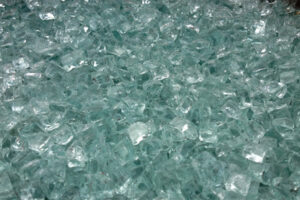
Accounting for approximately 70% of the total module weight, recycled glass is available in architectural glass, road construction materials, or glass fiber production.
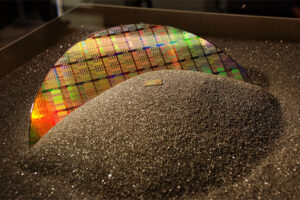
After recycling, the process purifies and reprocesses them into reclaimed silicon material. Following purification, you can reuse this material in solar cell production or the semiconductor industry.

You can directly re-melt and reuse alumínium frames, copper wires, silver paste, and other metals, which provides high circular economy value.
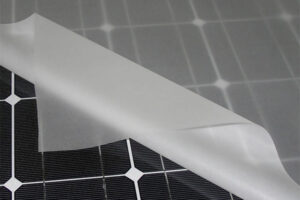
EVA and backsheet plastics can serve as fuel or chemical raw materials, thereby enhancing overall resource utilization efficiency.
What is the process for recycling single-glass photovoltaic panels?
For the structural characteristics of single-glass photovoltaic modules, the single-glass photovoltaic panel disposal project employs automatic equipment to achieve an efficient, environmentally friendly, and cost-effective PV panel recycling process.
What are the primary equipment configurations for single-glass photovoltaic panel disposal project?
The single-glass photovoltaic panel recycling production line we designed has a capacity of 500-1000 kg/h. We can also customize the production line according to customer requirements. Below are the main equipment in the single-glass solar recycling process. You can also click to learn more about the napelem újrahasznosító gép költsége.

Kereteltávolító gép
The photovoltaic panel frame removal machine is specifically designed for the recycling and reuse of waste photovoltaic panels. Ez a berendezés hatékonyan választja el a kereteket a moduloktól, amely lehetővé teszi a fotovoltaikus panelek anyagainak újrahasznosítását.

Gravitációs elválasztó berendezés
A légáram-sűrűség-leválasztó sűrűség alapú szitálással szitálja az őrölt anyagokat, amely elválasztja a rezet, szilícium por, és műanyag. A berendezés stabil teljesítményt nyújt, magas hatásfok, és alacsony energiafogyasztás.

Üvegeltávolító gép
This equipment employs advanced mechanical separation technology to rapidly and safely separate glass from photovoltaic panels, creating separated fractions for testing and a defined downstream route.

Elektronikus hulladék aprító
This shredder mainly serves the preliminary crushing and recycling of photovoltaic panels, featuring stable crushing performance and high efficiency.

Elektrosztatikus szeparátor
Az elektrosztatikus szeparátor alkalmas különböző sűrűségű kevert anyagok szétválogatására, amelyeket flotációs módszerekkel nehéz szétválasztani. Hatékonyan választja szét a műanyagokat, szilícium por, és fémkeverékek.
What are the advantages of the single-glass photovoltaic panel disposal project?
In comparison to traditional processes, the napelemes pirolízis projekt megoldás achieves comprehensive improvements in recovery rate, energy consumption, economic efficiency, and automation levels. The following are the specific advantages.
If you would like to learn more about the double-glass photovoltaic panels recycling solution, please feel free to contact us.
Együveges mechanikus
Use where frame and front-glass removal can be engineered before dry liberation and classification.
Bejövő anyag
Single-glass crystalline-silicon module mix, dimensions, intact/broken share, frame and junction-box condition.
Várható kimenetek
Separated frame and glass plus classified copper-, szilícium- and polymer-bearing fractions.
Projekt interfészek
Safe receiving, glass handling, porgyűjtés, power, compressed air, wear-parts access and product packing.
Csak a kiválasztott folyamathatárnak megfelelő sort használja.
| Katalógus hivatkozás | Kapacitás | Hatalom | Fizikai boríték | Tartalmazott határ |
|---|---|---|---|---|
| YSX-M1000Együveges mechanikus | 1 t/h | 277.6 kW | 36 × 6 × 6 m | Integrált mechanikus vonal |
Konfigurációs szabály: a katalógus kapacitása tervezési referencia. Stabil áteresztőképesség, beépített/üzemi teljesítmény, lábnyom, felépülés, tisztaság, a károsanyag-kibocsátások és a közüzemi igények miatt a jóváhagyott berendezéslista szükséges, reprezentatív tárgyi és írásbeli átvételi feltételek.
Konfigurálás és árajánlat előtt szükséges információk
- Reprezentatív anyagfotók, specifikációk és a rendelkezésre álló minta.
- Szükséges kapacitás plusz óra műszakonként, napi műszak és munkanapok.
- Célkimenetek, mintavételi módszer és a downstream vevő követelményei.
- A webhely országa, rendelkezésre álló teljesítmény, üzemanyag, víz, sűrített levegő és az épület határértékei.
- Helyi környezet, Tűz, tárolási és munkavédelmi követelmények.
- Kért szállítási határ: felszerelés, elrendezés, telepítés, üzembe helyezés és betanítás.


