
With the rapid development of the photovoltaic industry, a large number of photovoltaic modules will reach the end of their service life within the next twenty to thirty years. As the mainstream product in current photovoltaic applications, single-glass modules occupy a significant proportion. For the structural characteristics of single-glass modules, យូស៊ូស៊ីន provides a single-glass photovoltaic panels disposal project that balances environmental safety, resource recovery rates and economic viability.
What is the structure of a single-glass photovoltaic panel?


The typical structure of a single-glass photovoltaic module consists of: tempered glass, EVA, កោសិកាពន្លឺព្រះអាទិត្យ, EVA, backsheet, aluminum frame, and junction box. Common dimensions for single-glass PV panels are 1650mm × 992mm × 40mm, which are suitable for most photovoltaic systems.
Recycling Targets for Single-Glass Photovoltaic Panel Disposal Project
The recycling targets for single-glass photovoltaic panel disposal project primarily include:
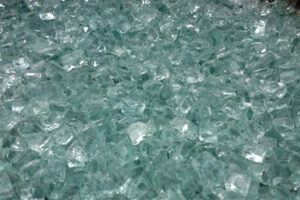
Accounting for approximately 70% of the total module weight, recycled glass is available in architectural glass, road construction materials, or glass fiber production.
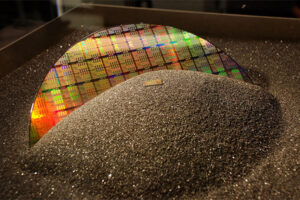
After recycling, the process purifies and reprocesses them into reclaimed silicon material. Following purification, you can reuse this material in solar cell production or the semiconductor industry.

You can directly re-melt and reuse អាលុយមីញ៉ូម ស៊ុម, copper wires, silver paste, and other metals, which provides high circular economy value.
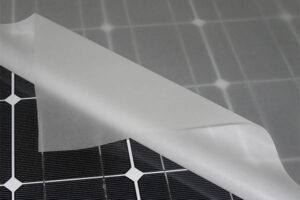
EVA and backsheet plastics can serve as fuel or chemical raw materials, thereby enhancing overall resource utilization efficiency.
What is the process for recycling single-glass photovoltaic panels?
For the structural characteristics of single-glass photovoltaic modules, the single-glass photovoltaic panel disposal project employs automatic equipment to achieve an efficient, environmentally friendly, and cost-effective PV panel recycling process.
What are the primary equipment configurations for single-glass photovoltaic panel disposal project?
The single-glass photovoltaic panel recycling production line we designed has a capacity of 500-1000 គីឡូក្រាម / ម៉ោង។. We can also customize the production line according to customer requirements. Below are the main equipment in the single-glass solar recycling process. You can also click to learn more about the តម្លៃម៉ាស៊ីនកែច្នៃបន្ទះសូឡា.

Frame Removal Machine
The photovoltaic panel frame removal machine is specifically designed for the recycling and reuse of waste photovoltaic panels. This equipment efficiently separates the frames from the modules, which enables the recycling of photovoltaic panel materials.

Gravity separation equipment
The airflow density separator screens ground materials through density-based sieving, which separates copper, silicon powder, and plastic. The equipment features stable performance, high efficiency, and low energy consumption.

Glass Removal Machine
This equipment employs advanced mechanical separation technology to rapidly and safely separate glass from photovoltaic panels, creating separated fractions for testing and a defined downstream route.

ម៉ាស៊ីនកាត់កាកសំណល់អេឡិចត្រូនិច
This shredder mainly serves the preliminary crushing and recycling of photovoltaic panels, featuring stable crushing performance and high efficiency.

ឧបករណ៍បំបែកចរន្តអគ្គិសនី
The electrostatic separator is suitable for sorting mixed materials of varying densities that are difficult to separate by flotation methods. It efficiently separates plastics, silicon powder, and metal mixtures.
What are the advantages of the single-glass photovoltaic panel disposal project?
In comparison to traditional processes, នេះ។ ដំណោះស្រាយគម្រោង pyrolysis បន្ទះស្រូបពន្លឺព្រះអាទិត្យ achieves comprehensive improvements in recovery rate, energy consumption, economic efficiency, and automation levels. The following are the specific advantages.
If you would like to learn more about the ដំណោះស្រាយកែច្នៃបន្ទះ photovoltaic កញ្ចក់ពីរ, please feel free to contact us.
មេកានិចកញ្ចក់តែមួយ
Use where frame and front-glass removal can be engineered before dry liberation and classification.
សម្ភារៈចូល
Single-glass crystalline-silicon module mix, dimensions, intact/broken share, frame and junction-box condition.
លទ្ធផលរំពឹងទុក
Separated frame and glass plus classified copper-, ស៊ីលីកុន- and polymer-bearing fractions.
ចំណុចប្រទាក់គម្រោង
Safe receiving, glass handling, dust collection, អំណាច, compressed air, wear-parts access and product packing.
ប្រើតែជួរដេកដែលត្រូវនឹងព្រំដែនដំណើរការដែលបានជ្រើសរើស.
| កាតាឡុកយោង | សមត្ថភាព | ថាមពល | ស្រោមសំបុត្ររាងកាយ | រួមបញ្ចូលព្រំដែន |
|---|---|---|---|---|
| YSX-M1000មេកានិចកញ្ចក់តែមួយ | 1 t/h | 277.6 kW | 36 × 6 × 6 ម | បន្ទាត់មេកានិចរួមបញ្ចូលគ្នា |
ច្បាប់កំណត់រចនាសម្ព័ន្ធ: សមត្ថភាពកាតាឡុកគឺជាឯកសារយោងផែនការ. លំហូរមានស្ថេរភាព, ថាមពលដែលបានដំឡើង / ប្រតិបត្តិការ, ស្នាមជើង, ការងើបឡើងវិញ, ភាពបរិសុទ្ធ, ការបំភាយឧស្ម័ន និងតម្រូវការប្រើប្រាស់ ទាមទារបញ្ជីឧបករណ៍ដែលបានអនុម័ត, សម្ភារៈតំណាង និងលក្ខខណ្ឌនៃការទទួលយកជាលាយលក្ខណ៍អក្សរ.
ព័ត៌មានចាំបាច់មុនពេលកំណត់រចនាសម្ព័ន្ធ និងសម្រង់
- រូបថតសម្ភារៈតំណាង, លក្ខណៈបច្ចេកទេស និងគំរូដែលមាន.
- សមត្ថភាពដែលត្រូវការបូកម៉ោងក្នុងមួយវេន, ការផ្លាស់ប្តូរក្នុងមួយថ្ងៃ និងថ្ងៃប្រតិបត្តិការ.
- លទ្ធផលគោលដៅ, វិធីសាស្រ្តគំរូ និងតម្រូវការអ្នកទទួលខាងក្រោម.
- ប្រទេសនៃគេហទំព័រ, ថាមពលដែលអាចប្រើបាន, ឥន្ធនៈ, ទឹក។, ដែនកំណត់ខ្យល់ និងអគារ.
- បរិស្ថានក្នុងស្រុក, ភ្លើង, តម្រូវការស្តុកទុក និងសុវត្ថិភាពការងារ.
- បានស្នើសុំព្រំដែនដឹកជញ្ជូន: ឧបករណ៍, ប្លង់, ការដំឡើង, ការតែងតាំង និងការបណ្តុះបណ្តាល.


