
With the rapid development of the photovoltaic industry, a large number of photovoltaic modules will reach the end of their service life within the next twenty to thirty years. As the mainstream product in current photovoltaic applications, single-glass modules occupy a significant proportion. For the structural characteristics of single-glass modules, YUSHUNXIN provides a single-glass photovoltaic panels disposal project that balances environmental safety, resource recovery rates and economic viability.
What is the structure of a single-glass photovoltaic panel?


The typical structure of a single-glass photovoltaic module consists of: tempered glass, EVA, solceller, EVA, backsheet, aluminum frame, and junction box. Common dimensions for single-glass PV panels are 1650mm × 992mm × 40mm, which are suitable for most photovoltaic systems.
Recycling Targets for Single-Glass Photovoltaic Panel Disposal Project
The recycling targets for single-glass photovoltaic panel disposal project primarily include:
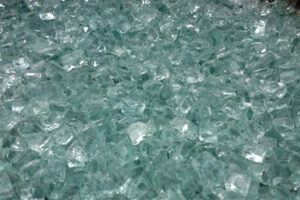
Regnskap for ca 70% of the total module weight, recycled glass is available in architectural glass, road construction materials, or glass fiber production.
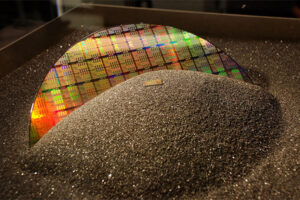
After recycling, the process purifies and reprocesses them into reclaimed silicon material. Following purification, you can reuse this material in solar cell production or the semiconductor industry.

You can directly re-melt and reuse aluminium frames, copper wires, sølvpasta, and other metals, which provides high circular economy value.
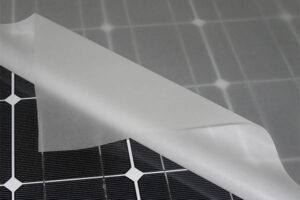
EVA and backsheet plastics can serve as fuel or chemical raw materials, thereby enhancing overall resource utilization efficiency.
What is the process for recycling single-glass photovoltaic panels?
For the structural characteristics of single-glass photovoltaic modules, the single-glass photovoltaic panel disposal project employs automatic equipment to achieve an efficient, environmentally friendly, and cost-effective PV panel recycling process.
What are the primary equipment configurations for single-glass photovoltaic panel disposal project?
The single-glass photovoltaic panel recycling production line we designed has a capacity of 500-1000 kg/t. We can also customize the production line according to customer requirements. Below are the main equipment in the single-glass solar recycling process. You can also click to learn more about the kostnad for resirkuleringsmaskin for solcellepaneler.

Maskin for fjerning av ramme
The photovoltaic panel frame removal machine is specifically designed for the recycling and reuse of waste photovoltaic panels. Dette utstyret skiller effektivt rammene fra modulene, som muliggjør resirkulering av solcellepanelmaterialer.

Gravitasjonsseparasjonsutstyr
Luftstrømstetthetsseparatoren skjermer grunnmaterialer gjennom tetthetsbasert sikting, som skiller kobber, silisium pulver, og plast. Utstyret har stabil ytelse, høy effektivitet, og lavt energiforbruk.

Maskin for fjerning av glass
Dette utstyret bruker avansert mekanisk separasjonsteknologi for raskt og sikkert å skille glass fra solcellepaneler, creating separated fractions for testing and a defined downstream route.

Elektronisk avfallsmakulator
This shredder mainly serves the preliminary crushing and recycling of photovoltaic panels, featuring stable crushing performance and high efficiency.

Elektrostatisk separator
Den elektrostatiske separatoren er egnet for sortering av blandede materialer med varierende tetthet som er vanskelig å separere med flotasjonsmetoder. Den skiller plast effektivt, silisium pulver, og metallblandinger.
What are the advantages of the single-glass photovoltaic panel disposal project?
In comparison to traditional processes, the solcellepanel pyrolyse prosjektløsning achieves comprehensive improvements in recovery rate, energiforbruk, economic efficiency, and automation levels. The following are the specific advantages.
If you would like to learn more about the resirkuleringsløsning for solcellepaneler i doble glass, please feel free to contact us.
Mekanisk enkeltglass
Use where frame and front-glass removal can be engineered before dry liberation and classification.
Innkommende materiale
Single-glass crystalline-silicon module mix, dimensjoner, intact/broken share, ramme og koblingsboks tilstand.
Forventede utganger
Separated frame and glass plus classified copper-, silisium- og polymerholdige fraksjoner.
Prosjektgrensesnitt
Safe receiving, glass handling, dust collection, makt, compressed air, wear-parts access and product packing.
Bruk kun raden som samsvarer med den valgte prosessgrensen.
| Katalogreferanse | Kapasitet | Makt | Fysisk konvolutt | Inkludert grense |
|---|---|---|---|---|
| YSX-M1000Mekanisk enkeltglass | 1 t/t | 277.6 kW | 36 × 6 × 6 m | Integrert mekanisk linje |
Konfigurasjonsregel: katalogkapasitet er en planleggingsreferanse. Stabil gjennomstrømning, installert/driftskraft, fotspor, bedring, renhet, utslipp og bruksbehov krever godkjent utstyrsliste, representativt materiale og skriftlige akseptbetingelser.
Informasjon nødvendig før konfigurasjon og tilbud
- Representative materialbilder, spesifikasjoner og tilgjengelig prøve.
- Nødvendig kapasitet pluss timer per skift, skift per dag og driftsdager.
- Mål utganger, prøvetakingsmetode og nedstrøms mottakerkrav.
- Nettstedets land, tilgjengelig kraft, brensel, vann, trykkluft og bygningsgrenser.
- Lokalt miljø, ild, krav til oppbevaring og yrkessikkerhet.
- Forespurt leveringsgrense: utstyr, layout, installasjon, igangkjøring og opplæring.


