
With the continuous growth in the number of new energy vehicles, the recycling and reuse of lithium batteries are becoming an indispensable part of the new energy industry chain. Karena itu, more and more companies are beginning to focus on the recycling of lithium batteries from end-of-life electric vehicles. We will introduce YUSHUNXIN solusi daur ulang ramah lingkungan untuk baterai kendaraan listrik yang sudah habis masa pakainya, and we hope this provides reference points for corporate investment or collaboration.
What methods are available for recycling lithium from end-of-life electric vehicles?
There are two primary methods for the green recycling of end-of-life EV batteries: mechanical recycling and pyrolytic recycling. If you wish to enter the industry with a lower investment, you may initially adopt mechanical recycling. If you seek higher recovery rates, you may opt for a combined solution of pyrolytic recovery and chemical smelting. In actual projects, many companies also integrate the two processes.
Mechanical Recycling Method

Pyrolytic Recycling Method

What is the approximate cost of establishing an electric vehicle battery recycling plant?
Itu Solusi proyek daur ulang baterai EV investment primarily includes equipment procurement, facility construction, environmental protection systems, installation and commissioning, as well as labor costs. The specific cost will vary depending on production capacity, automation level, rute proses, and local policies. And the following two options can serve as a reference. The specific fees will depend on an assessment of your actual circumstances.
500kg/h Green Recycling Solution for End-of-Life EV Batteries
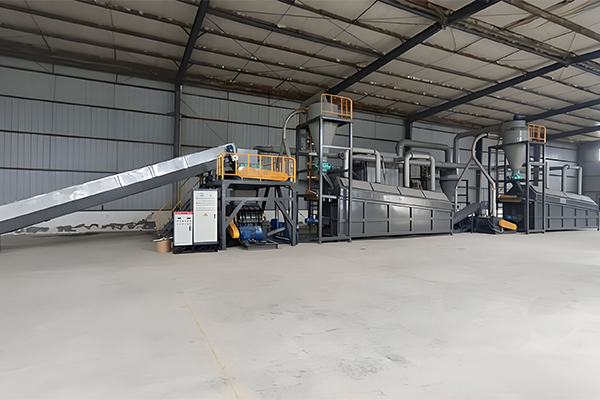
A 500 kg/h lithium-battery line is a planning capacity class. Discharge and dismantling responsibility, kimia, format masukan, kontrol keamanan, separation modules, output specification, utilities and price must be confirmed in the approved project scope.
1000kg/h Green Recycling Solution for End-of-Life EV Batteries

A 1,000 kg/h lithium-battery line is a higher-throughput planning class. Final automation, safety architecture, rute proses, kualitas keluaran, utilitas, operating schedule and commercial terms require representative material review and written confirmation.
How to Select an Appropriate Green Recycling Solution for End-of-Life EV Batteries?

When selecting an appropriate EV lithium battery recycling production line, in addition to matching your processing capacity, battery types, dan anggaran investasi, you should place greater emphasis on the supplier’s technical capabilities.We possess years of experience in developing lithium battery recycling equipment and offer clients comprehensive services from solution design and equipment manufacturing to installation, komisioning, and personnel training.
End-of-life EV project planning
Connect regulatory, logistik, safety and material-processing responsibilities in one project boundary.
Materi masuk
Negara, collection model, battery population, kimia, pack condition and treatment responsibility.
Output yang diharapkan
Traceable prepared and classified fractions for approved downstream receivers.
Antarmuka proyek
Permitting, mengangkut, quarantine, emergency response, utilitas, emissions and receiver contracts.
Gunakan hanya baris yang cocok dengan batas proses yang dipilih.
| Referensi katalog | Kapasitas | Kekuatan | Amplop fisik | Termasuk batas |
|---|---|---|---|---|
| Keluarga publik YSXKeluarga peralatan publik | 500–1.000 kg/jam | 102–238kW | 20garis –35 m; 7.5–19,5 ton | Amplop keluarga perlengkapan standar; tidak ada alokasi per model |
| YSX-LR500Baris lengkap LR | 500 kg/jam | 320 kW | 40 × 15 × 7.5 M | Pengkondisian, jalur pemisahan dan pengolahan gas |
| YSX-LR1000Baris lengkap LR | 1,000 kg/jam | 410 kW | 45 × 17 × 7.5 M | Pengkondisian, jalur pemisahan dan pengolahan gas |
| Referensi proyek - 500Tata letak terintegrasi sebelumnya | 500 kg/jam | 300 kW | 60 × 7 × 7 M | Tata letak sebelumnya tanpa label model yang dipublikasikan |
| Referensi proyek - 1000Tata letak terintegrasi sebelumnya | 1,000 kg/jam | 349 kW | 80 × 7 × 7 M | Tata letak sebelumnya tanpa label model yang dipublikasikan |
Aturan konfigurasi: kapasitas katalog merupakan acuan perencanaan. Throughput yang stabil, daya terpasang/pengoperasian, tapak, pemulihan, kemurnian, emisi dan permintaan utilitas memerlukan daftar peralatan yang disetujui, syarat penerimaan materi dan tertulis yang representatif.
Informasi diperlukan sebelum konfigurasi dan kutipan
- Foto materi yang representatif, spesifikasi dan sampel yang tersedia.
- Kapasitas yang dibutuhkan ditambah jam kerja per shift, shift per hari dan hari operasional.
- Menargetkan keluaran, metode pengambilan sampel dan persyaratan penerima hilir.
- Negara situs, daya yang tersedia, bahan bakar, air, udara bertekanan dan batas bangunan.
- Lingkungan setempat, api, persyaratan penyimpanan dan keselamatan kerja.
- Batas pengiriman yang diminta: peralatan, tata letak, instalasi, komisioning dan pelatihan.


