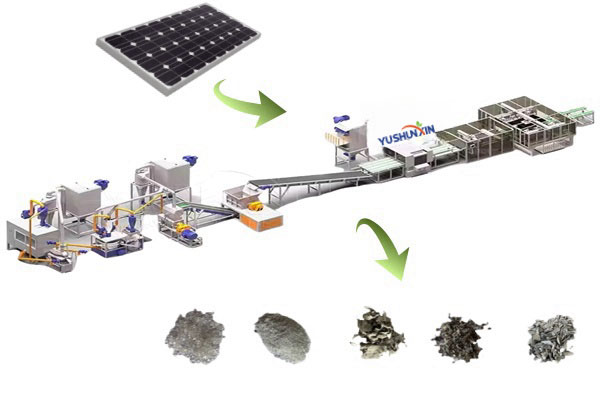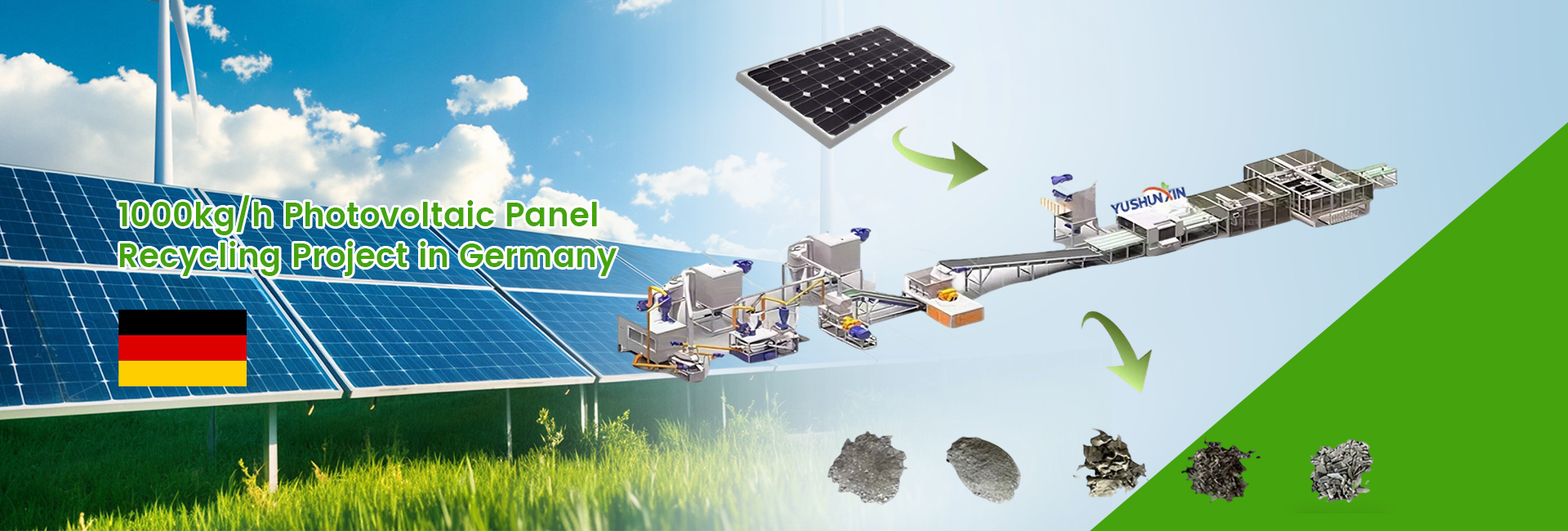
Tā kā Vācijas fotoelementu jauda turpina pieaugt, liela daļa agri uzstādīto PV moduļu pakāpeniski sasniedz sava ekspluatācijas laika beigas. Agrumā 2024, klients no Vācijas sazinājās ar mums ar skaidru mērķi. To mērķis ir izveidot fotoelementu paneļu pārstrādes ražošanas līniju ar jaudu 1,000 kg/h, lai sniegtu profesionālus pārstrādes pakalpojumus vietējā teritorijā un apkārtējos reģionos.
Klients sākotnēji nodarbojās ar kabeļu lūžņu pārstrādi, un viņam bija zināma pieredze pārstrādē, bet nebija pazīstams ar fotoelektrisko moduļu uzbūvi, demontāžas metodes, un vides standartiem. Viņi ir nobažījušies par ilgo ieguldījumu atdeves ciklu iekārtām, kā arī cer panākt efektīvu apstrādi ar ierobežotām rūpnīcas telpām un barošanas apstākļiem.. Pamatojoties uz klienta īpašajiem apstākļiem, esam izstrādājuši a 1000 kg/h fotoelementu paneļu pārstrādes projekts Vācijā.

What is the current status of Germany’s photovoltaic recycling market conditions?
Which Recycling Solution Maximizes Value for This PV Recycling Project?
During the technical discussion with the client, For the 1000kg/h Photovoltaic Panel Recycling Project in Germany, we designed both a mechanical system and a saules paneļu pirolīzes projekta risinājums to meet different recovery goals.
Šis PV pirolīzes tehnoloģija uses high-temperature pyrolysis to decompose the EVA adhesive layer, significantly improving the separation purity of silicon wafers and glass. Research shows that pyrolysis is more effective than simple crushing in removing organic matter and separating large-particle glass, resulting in higher purity of recovered materials .
The investment cost is lower than that of pyrolysis lines, there is no risk of harmful gas emissions from combustion, the process is mature, and it is easier to obtain environmental permits in Germany.
After weighing the budget and the speed of obtaining permits, the client chose our PV mechanical recycling solution. We reserved an expansion interface for future connection to a solar panel pyrolysis recycling line, allowing for future upgrades if material purity requirements become higher.
Kāda ir primārā procesa plūsma 1000 kg/h fotoelementu paneļu pārstrādes projekts Vācijā?
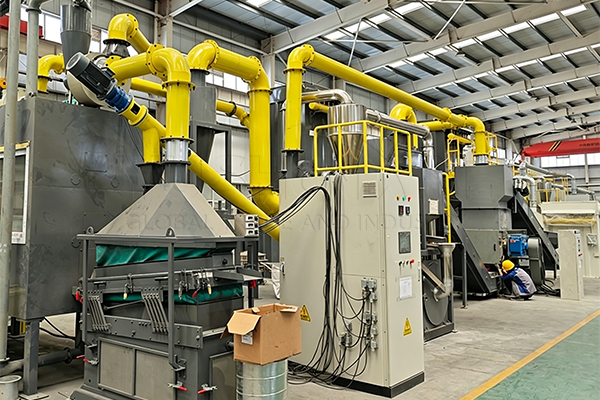
Lai apmierinātu mūsu Vācijas klientu prasības, mēs izstrādājām a viena stikla fotoelektrisko paneļu iznīcināšanas projekts ar modulāriem procesiem un pilnībā slēgtu, videi draudzīgu sistēmu. Visai fotoelektrisko paneļu pārstrādes ražošanas līnijai ir kompakta struktūra, zems enerģijas patēriņš, un augsta apstrādes efektivitāte. Tāpēc, it is suitable for Germany’s stringent environmental regulations and industrial safety standards.
Iepriekšēja apstrāde
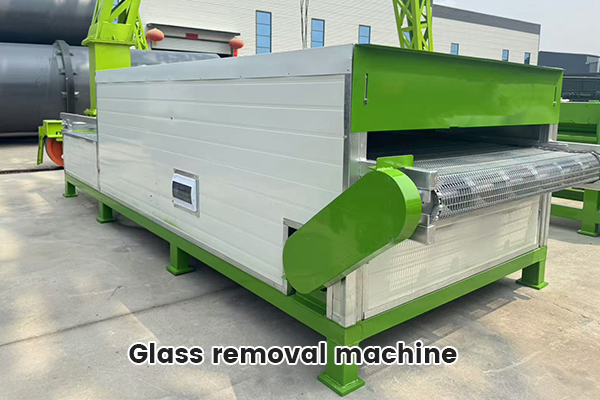
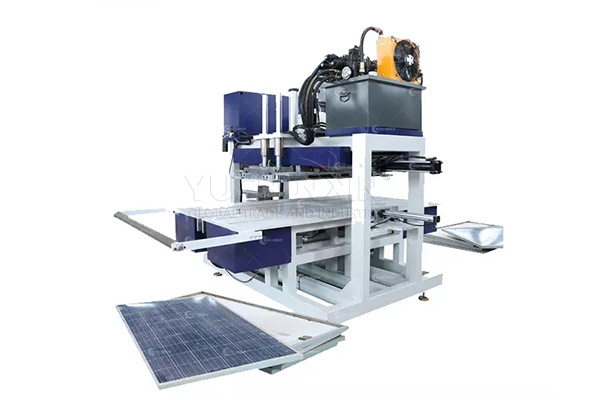
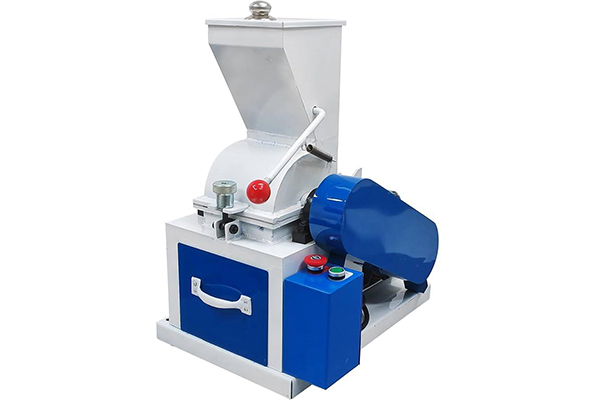
Fotoelektriskie moduļi sistēmā nonāk caur lentes konveijeru. Pirmkārt, the semi-automatic frame remover separates the aluminum frame. Pēc tam, the glass remover uses mechanical force to break the tempered glass, allowing for the preliminary recovery of large-particle glass and reducing the load on subsequent crushing.



Daudzpakāpju šķirošana
Magnetic separation machine
Magnetic separation machine: Removes iron filings and ferrous metal debris from the frame.
Eddy current separator
Eddy current separator: Separates non-ferrous metals, mainly aluminum and copper.
Gravity separation equipment
Gravity separation equipment: Separates light materials (crushed plastic from backsheets) from heavy materials (glass and metal mixture).
Elektrostatiskais atdalītājs
Elektrostatiskais atdalītājs: Extracts copper and silver from mixed metal powders, delivering >99% recovery of precious metals for maximum profitability.
Vides aizsardzības sistēma
The project is equipped with a baghouse dust collector (capturing fine dust with an efficiency of >99.9%) to ensure that exhaust emissions meet German TA Luft (Technical Instructions on Air Quality Control) standards. The process is entirely dry and physical, achieving zero wastewater discharge.


How Profitable Is Copper Recovery in the German Market?
During the equipment selection phase, the client specifically focused on the recovery of varš. Because copper has a high unit price and is a key factor in shortening the ROI cycle.
However, if the copper is sold directly to smelters in Belgium (piem., Umicore) or specialized metal refineries, they offer higher purchase prices for high-purity copper because they can directly process it . Our electrostatic separation system increases copper purity to over 99%, enabling the client to bypass local intermediate dealers and sell directly to large smelters for better prices.
Customer Benefit: Recovering only copper can generate €264 to €360 in daily revenue. Combined with aluminum (accounting for approx. 10%-15% of total weight) and glass revenue, the payback period for the equipment can be significantly shortened.
Why Did Our German Client Ultimately Choose Our Solution?
After evaluating multiple equipment manufacturers, the client ultimately decided to partner with us. The core reasons are as follows: